Albania
 Argentina
 Australia
 Austria
 Belgium
 Bosnia and Herzegovina
 Brazil
 Bulgaria
 Canada
 Chile
 Colombia
 Croatia
 Czech Republic
 Denmark
 Estonia
 Finland
 France
 Germany
 Greece
 Hungary
 Ireland
 Italy
 Latvia
 Lithuania
 Luxembourg
 Mexico
 Moldova
 Montenegro
 Netherlands
 New Zealand
 North Macedonia
 Norway
 Philippines
 Poland
 Portugal
 Romania
 Serbia
 Slovakia
 Slovenia
 South Africa
 Spain
 Sweden
 Switzerland
 Turkey
 Ukraine
 United Kingdom
 United States of America


Modelling Clay
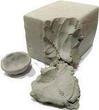
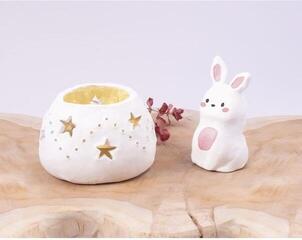
Modelling clay comes in several forms: plasticine, air-drying clay, polymer clay and clay for firing, which you can use to make figurines, jewellery, decorations and school projects. The main difference is how the soft material becomes a finished object: plasticine stays pliable, air-drying clay hardens in the air, polymer clay in an oven and ceramic clay only in a kiln. The range centres on Cernit polymer clay and Jovi modelling materials, alongside DAS, Darwi and KOH-I-NOOR. You can choose individual colours, sets for children and professional modelling materials for more demanding work.
Which modelling clay hardens and which stays soft?
| Material | How it hardens | What it is suitable for |
|---|---|---|
| Non-Hardening Clay | does not harden and can be reused | play, practice, sketches |
| Self-Drying Clay | in the air | figurines, reliefs, decorations |
| Polymer Clays | with heat in a domestic oven | jewellery, fine details, dolls |
| Burning Clay | in an oven or by firing in a ceramic kiln | sculptures, mugs, glazed ceramics |
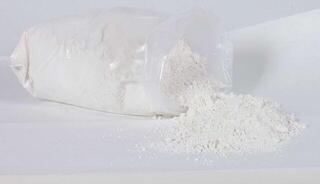
The deciding factor is whether you want your creation to last. Plasticine does not harden, so you can reshape it time and again, but you cannot preserve a finished figurine made from it. If you want to keep the finished piece, choose a material that hardens in the air or in an oven; choose ceramic clay only if you have access to a kiln. Materials for firing include Pébéo pottery clay for firing in a ceramic kiln at 980 to 1050 °C and KOH-I-NOOR Mass, which hardens in a normal oven at no more than 120 °C.
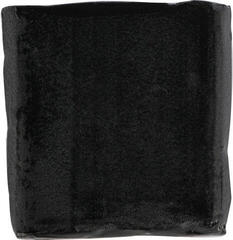
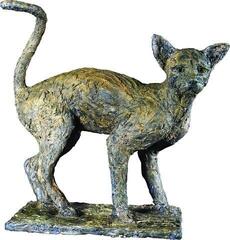
Sculptors and model makers turn to professional Plastiline plasticine, available in hardness grades from 30 to 70, or to KOH-I-NOOR sculpting material. Harder plasticine holds finer details, while softer plasticine is easier to shape by hand.
How do you cure Cernit polymer clay?
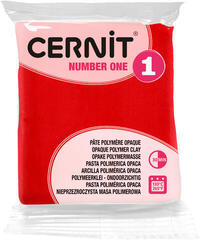
Polymer clay stays soft until you cure it with heat in a normal oven; Cernit is baked in a preheated oven at 110 to 130 °C for no more than 30 minutes. This lets you work on a model for several days and cure it only when it is finished. Keep the clay out of the microwave and cure it separately, without food in the oven.
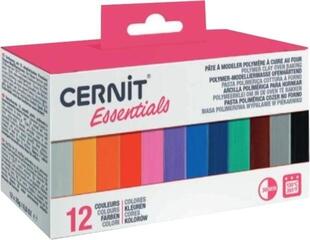
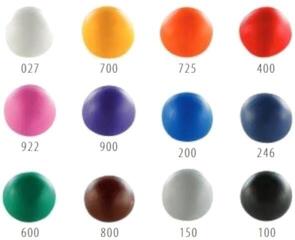
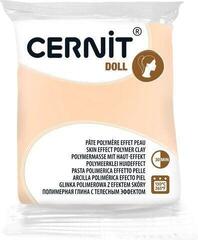
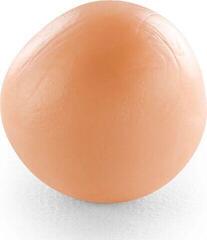
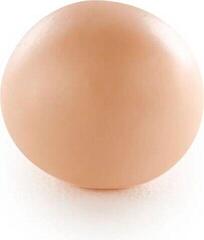
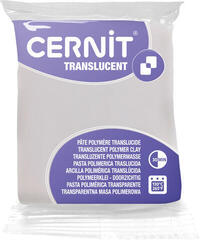
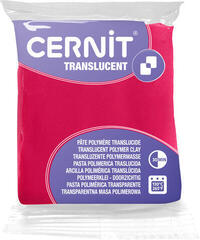
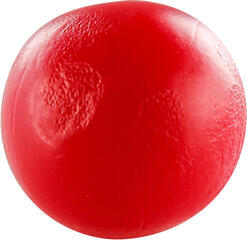
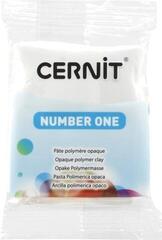
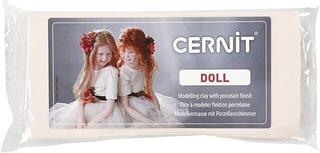
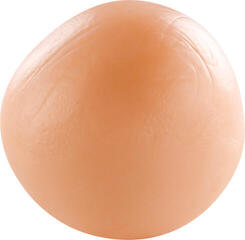
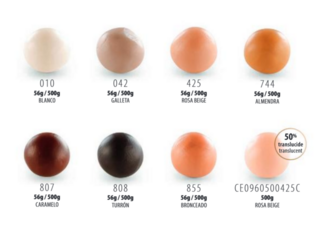
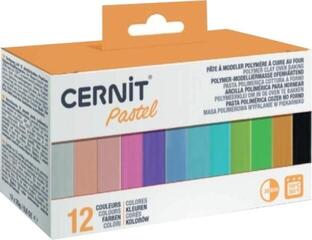
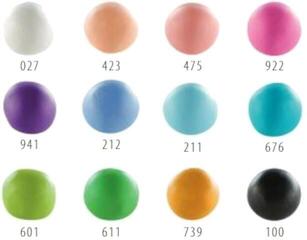
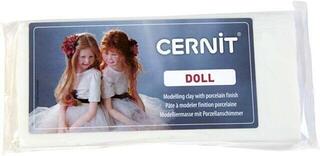
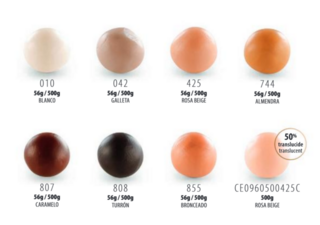
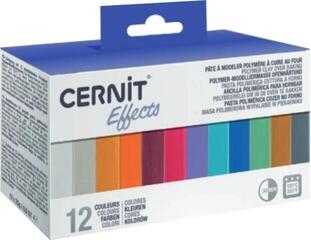
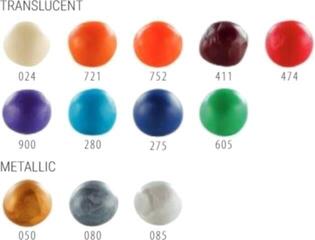
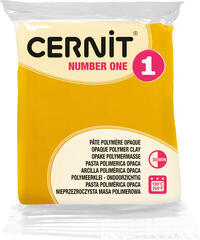
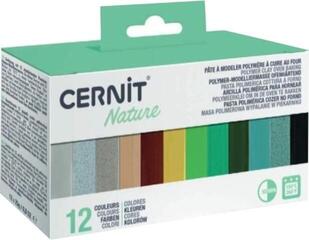
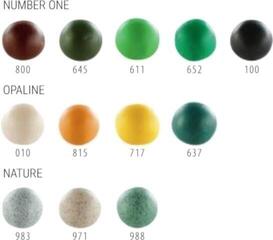
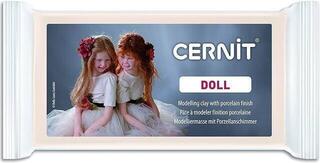
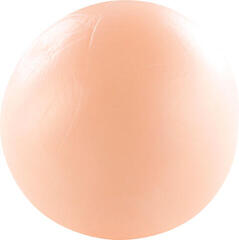
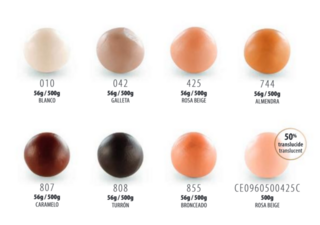
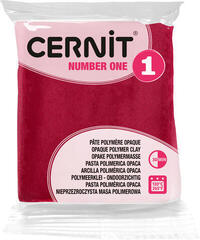
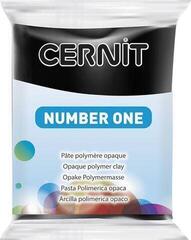
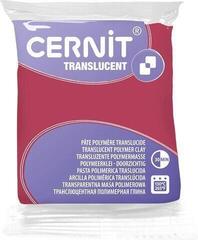
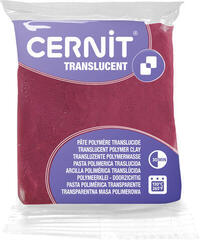
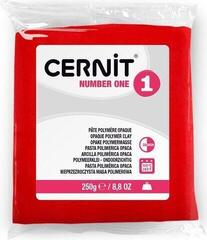
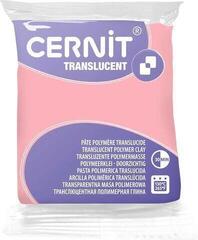
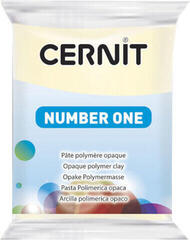
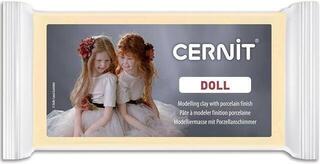
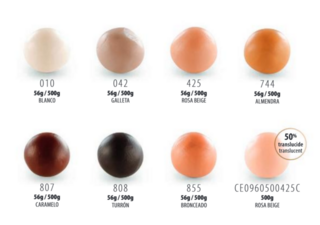
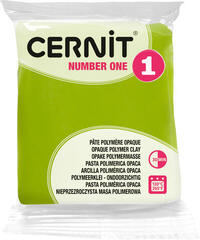
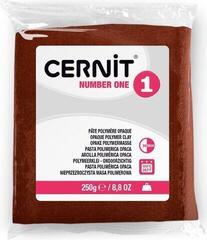
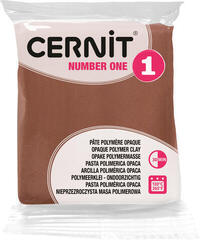
Cernit Number One is the basic opaque clay in many colours, while Cernit Translucent is translucent and suitable for glass-like effects. Doll makers use Cernit Doll in skin tones. For colourful projects, there are Basic, Pastel and Effects sets with 12 blocks of 25 g each; you can buy individual colours in 56 g packs, while 250 g and 500 g packs cater for larger models.
Air-drying clay or plasticine for children?
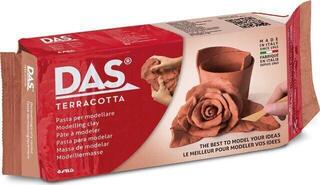
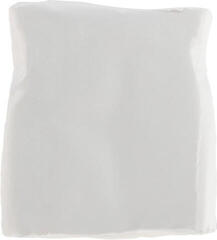
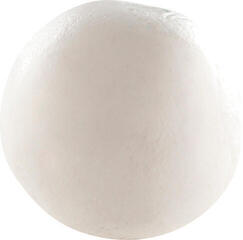
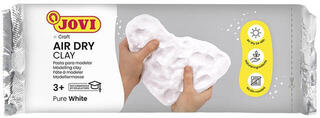
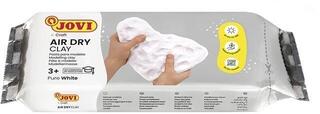
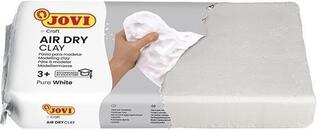
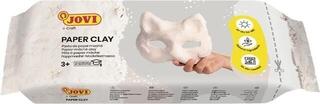
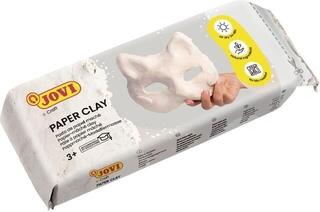
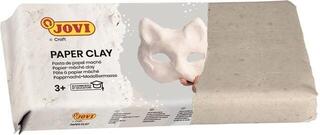
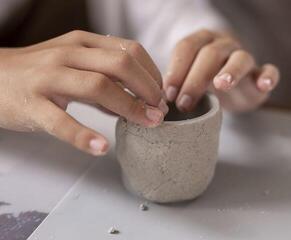
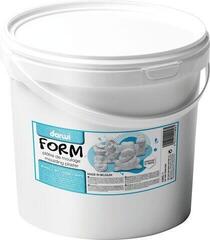
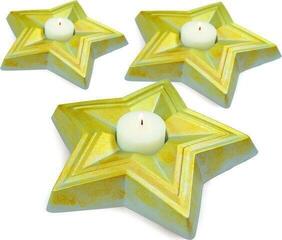
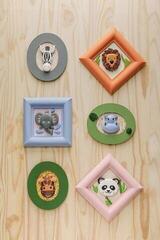
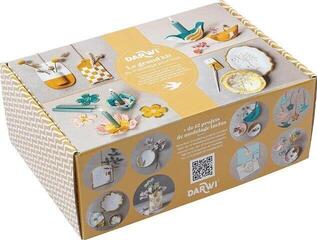
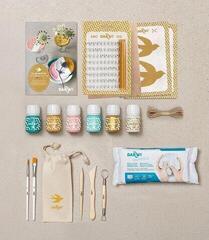
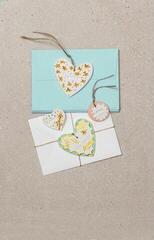
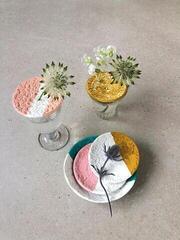
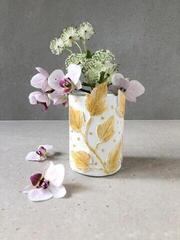
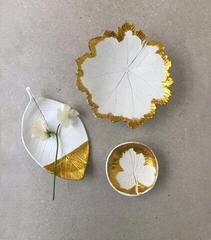
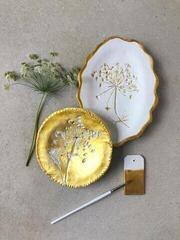
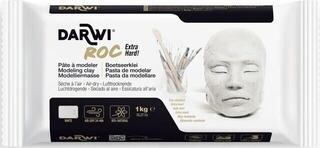
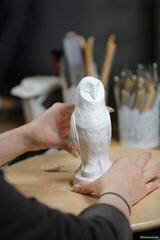
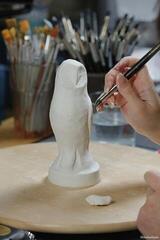
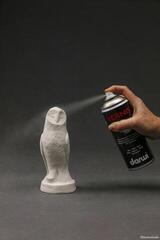
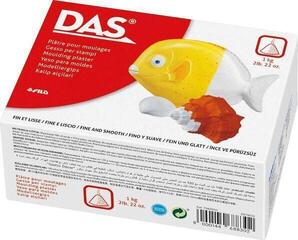
Air-drying clay hardens in the air without an oven, making it suitable for school and crafts with children when you want to keep the creation as a figurine, a trinket bowl or a Christmas decoration. Once dry, you can sand and paint it. Alongside white Jovi clay in 500 g and 1000 g packs, you will find DAS and Darwi air-drying materials in terracotta shades, with wood or stone effects, and the lighter Jovi Paper Clay paper-based modelling material.
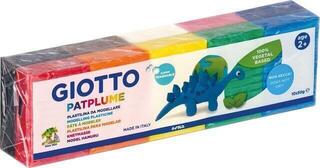
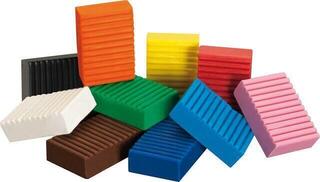
Plasticine gives younger children an easier start because it does not dry out and can be reshaped over and over. Jovi and KOH-I-NOOR children's sets contain several colours, some also include rollers or stamps, and Jovi has glow-in-the-dark plasticine too. For shaping, cutting and smoothing, you can also choose individual tools from the Accessories for modelling category.