Albania
 Argentina
 Australia
 Austria
 Belgium
 Bosnia and Herzegovina
 Brazil
 Bulgaria
 Canada
 Chile
 Colombia
 Croatia
 Czech Republic
 Denmark
 Estonia
 Finland
 France
 Germany
 Greece
 Hungary
 Ireland
 Italy
 Latvia
 Lithuania
 Luxembourg
 Mexico
 Moldova
 Montenegro
 Netherlands
 New Zealand
 North Macedonia
 Norway
 Philippines
 Poland
 Portugal
 Romania
 Serbia
 Slovakia
 Slovenia
 South Africa
 Spain
 Sweden
 Switzerland
 Turkey
 Ukraine
 United Kingdom
 United States of America


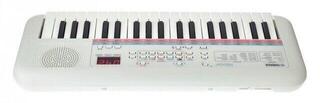
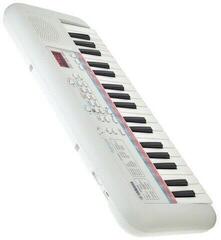
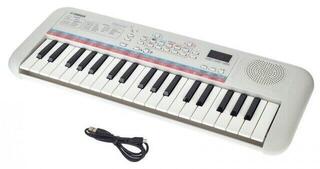
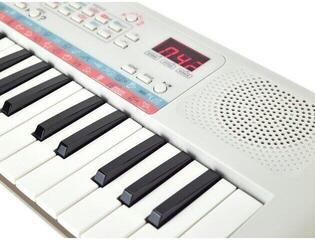
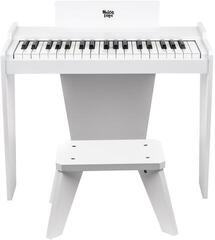
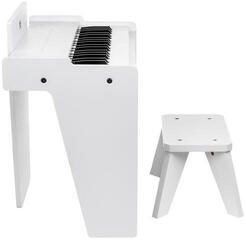
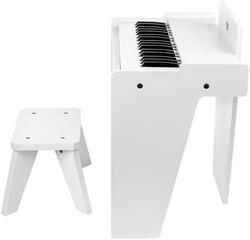
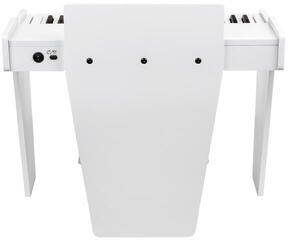
Keyboard Instruments For Kids
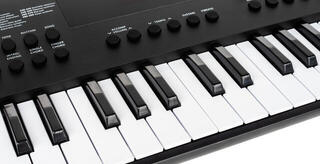
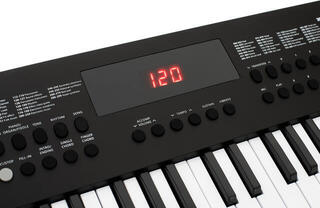
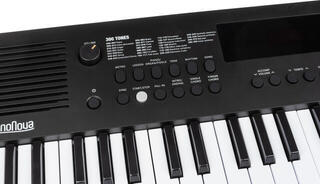
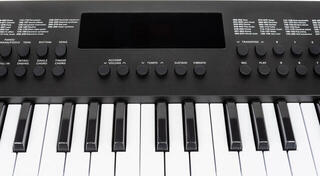
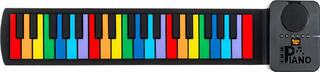
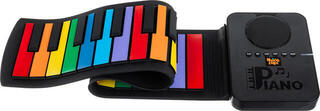
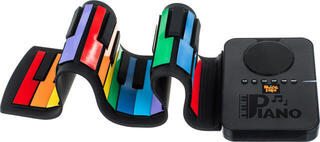
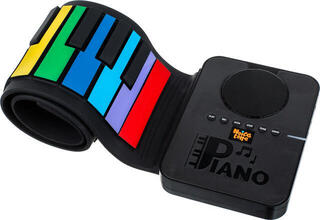
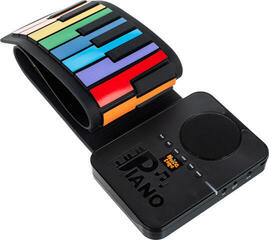
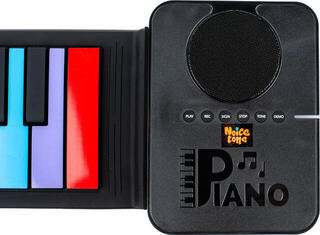
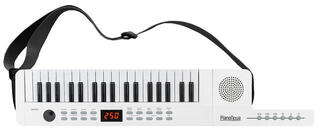
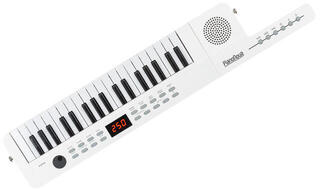
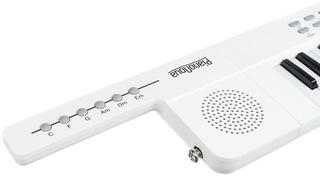
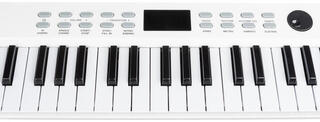
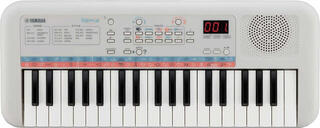
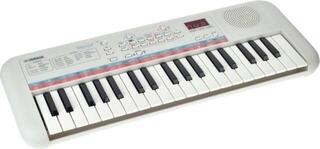
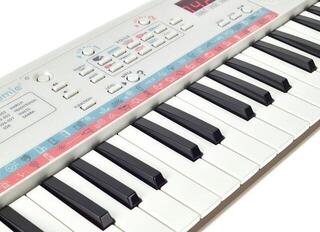
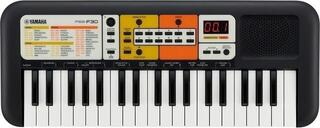
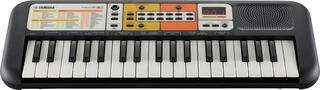
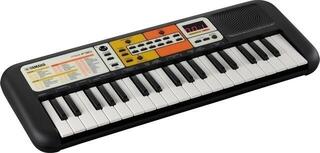
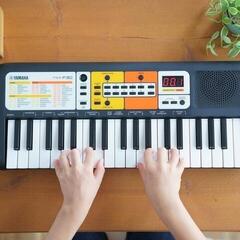
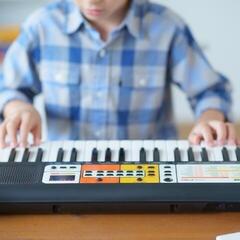
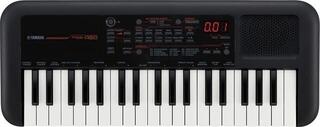
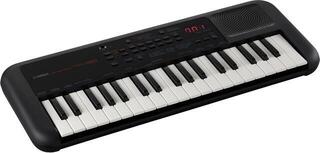
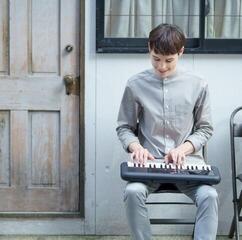
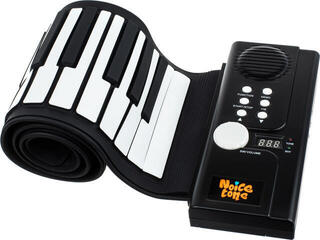
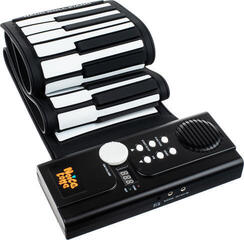
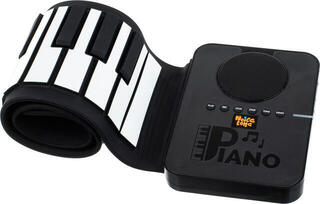
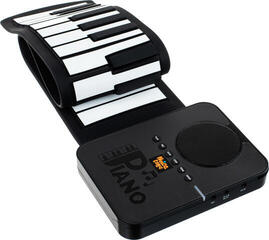
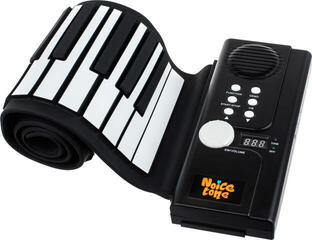
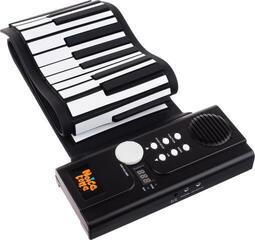
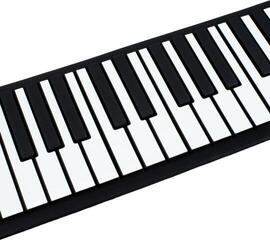
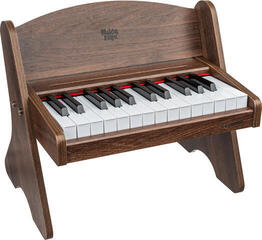
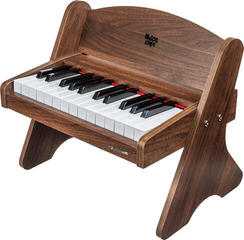
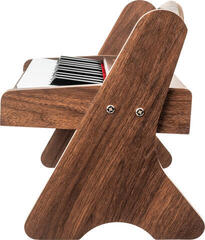
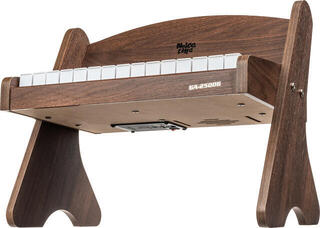
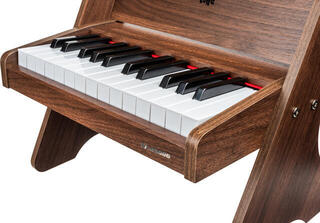
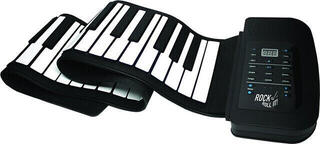
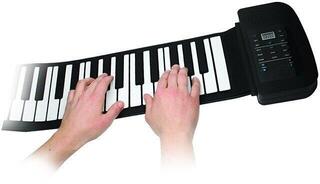
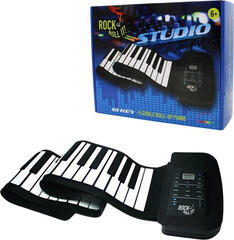
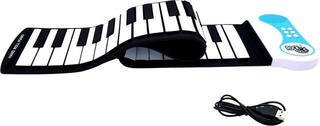
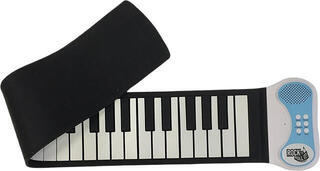
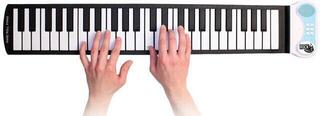
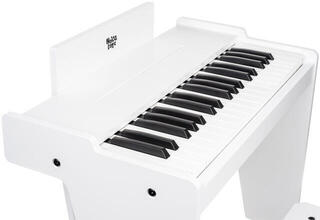
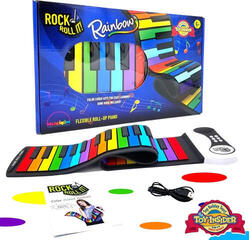
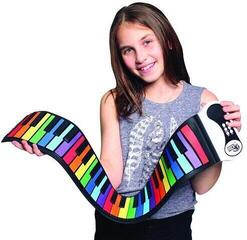
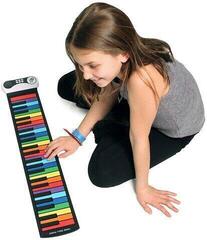
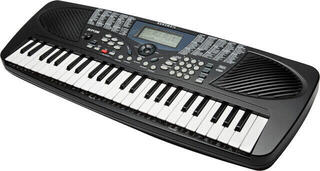
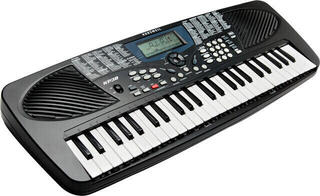
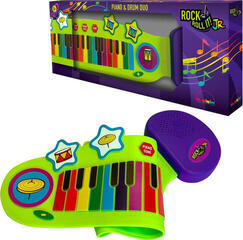
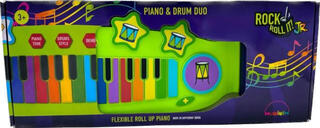
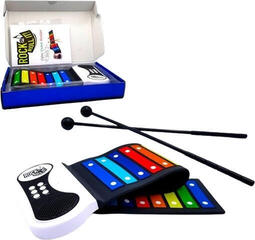
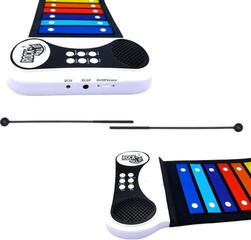
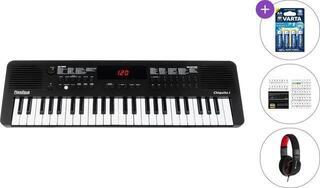
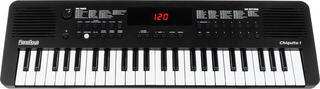
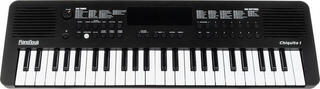
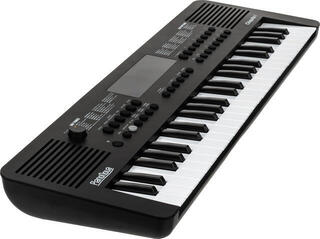
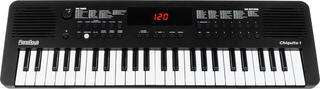
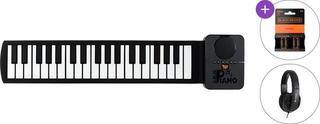
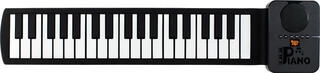
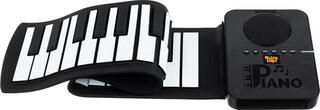
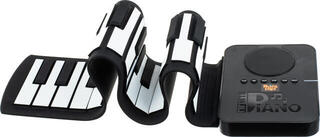
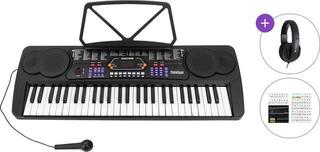
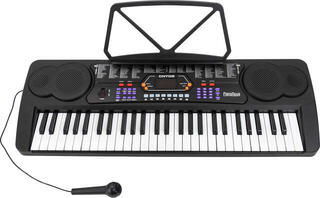
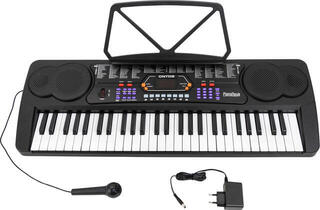
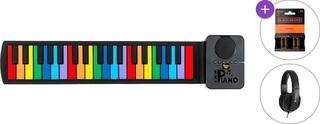
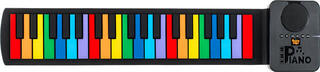
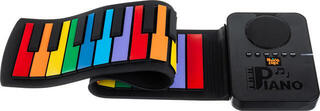
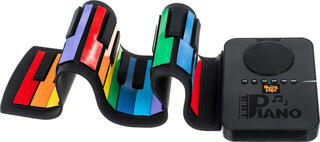
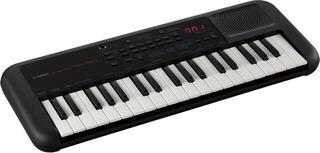
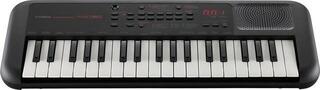
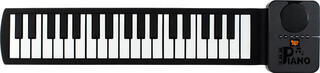
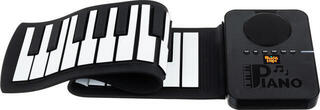
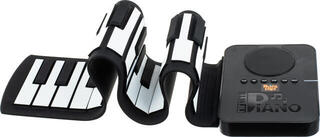
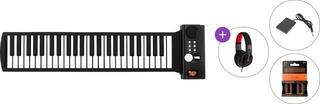
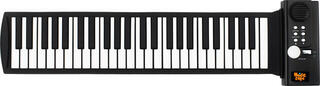
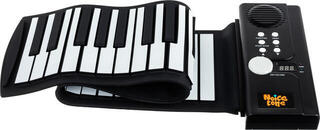
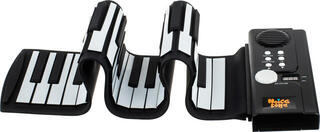
Keyboard instruments for children are an excellent way to support your child's musical development and creativity from a very early age. They are designed to be accessible and fun for the youngest players, allowing them to discover the world of music through play. Individual models differ according to whether they are intended mainly for entertainment, first lessons or systematic learning.
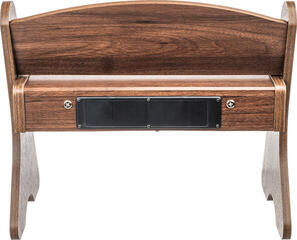
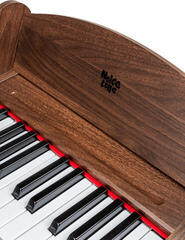
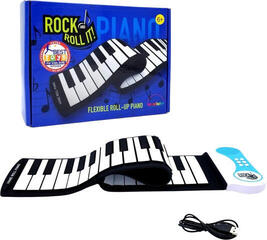
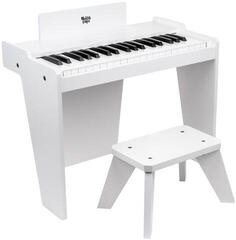
If you are looking for the ideal children's piano, you will find models adapted to their needs and abilities that help develop both musical hearing and motor skills. A children's piano often features simple functions and durable construction, making it an ideal first musical instrument. For those who prefer a traditional sound, a children's piano is also available, providing an authentic playing experience while supporting proper playing technique.
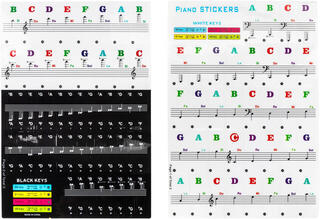
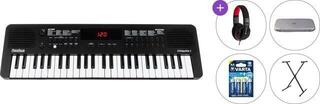
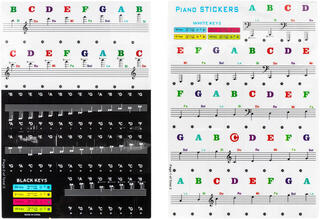
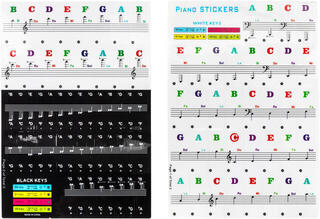
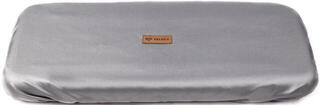
To increase comfort and expand the playing possibilities, it is worth considering various accessories that will make the entire musical experience even more enjoyable and effective.
If you want more information about choosing the right musical instrument for your child, see a musical instrument for your child. For tips on how to start playing the keyboard, we recommend 6 reasons to start playing the keyboard, and if you are interested in how music affects your child's intelligence, read music and your child's intelligence.
For complete beginners, the guide to learning to play the piano is suitable and will help you master the first steps. If you want to better understand the differences between a keyboard and a digital piano, be sure to read the article what is the difference between a keyboard and a digital piano?.
Enjoy discovering music with keyboard instruments for children and let them develop their talent naturally and joyfully.
From playing with sounds to regular practice
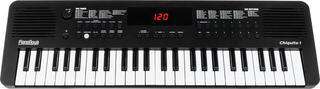
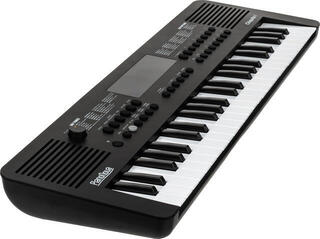
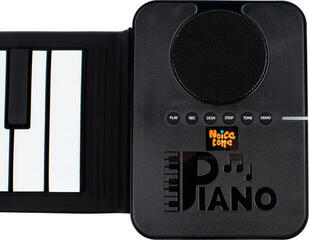
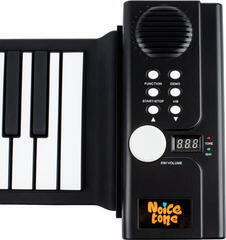
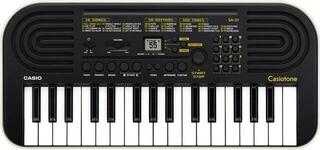
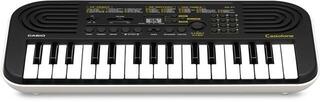
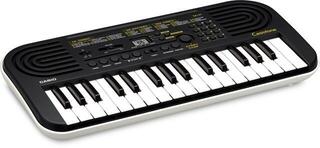
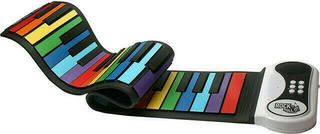
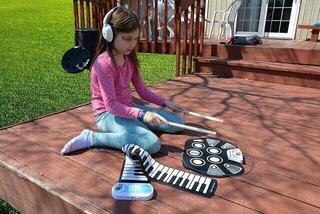
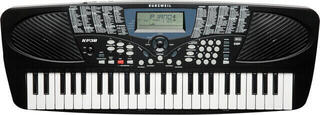
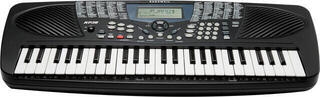
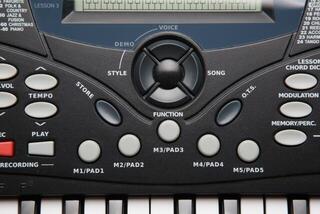
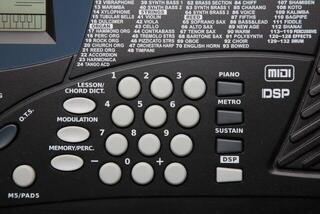
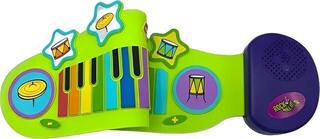
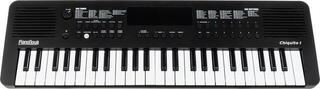
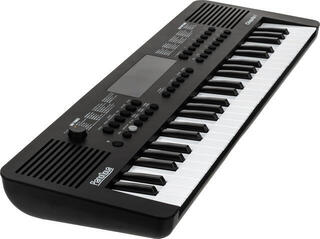
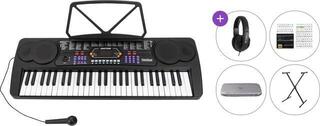
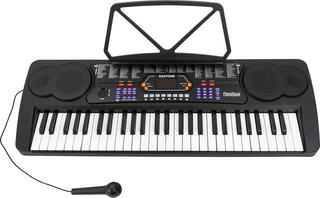
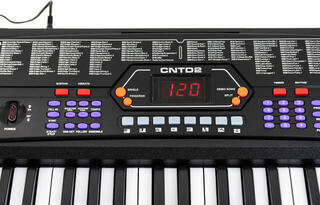
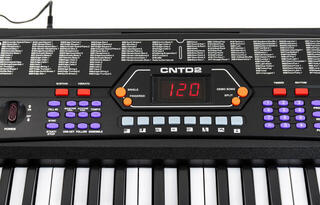
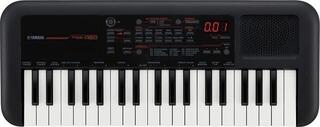
Small keyboards with simple buttons are suitable for discovering rhythms and melodies. If the instrument is also intended for lessons, pay attention to the keyboard range, key size and touch sensitivity. A touch-sensitive keyboard responds to how hard a key is pressed, allowing your child to work with volume and expression.
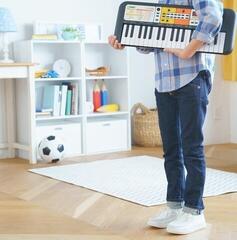
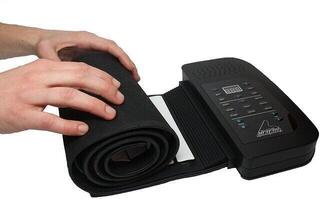
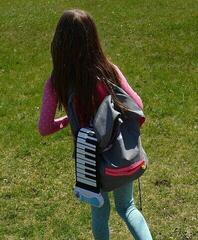
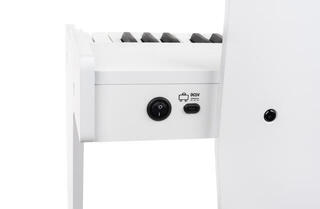
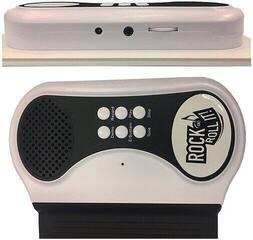
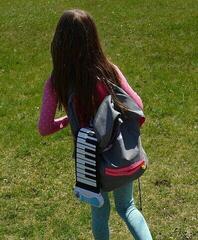
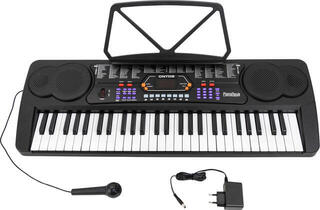
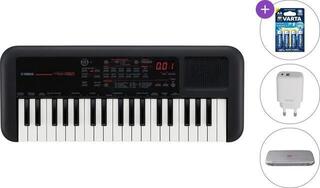
- A battery-powered model is easy to carry, while a compatible adapter is practical for playing at home.
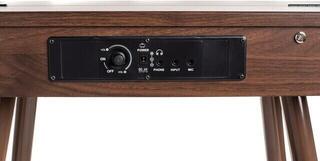
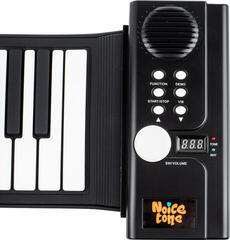
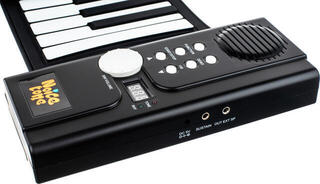
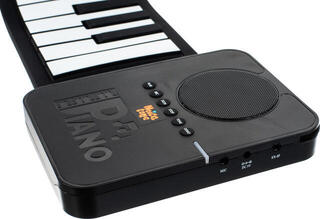
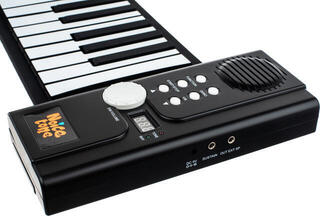
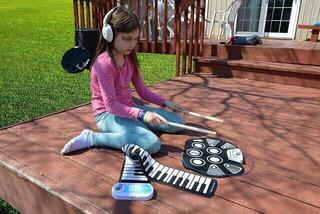
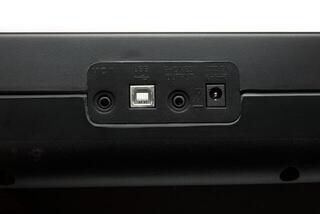
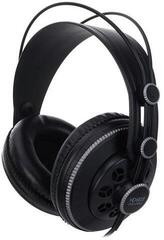
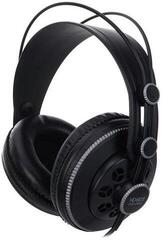
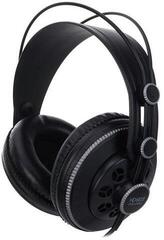
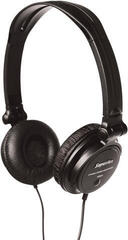
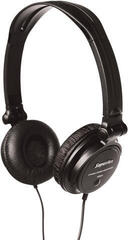
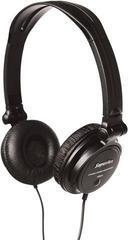
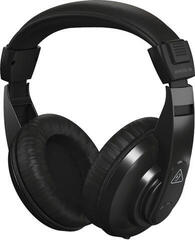
- A headphone output enables practice without disturbing others; independent volume control protects against unnecessarily loud listening.
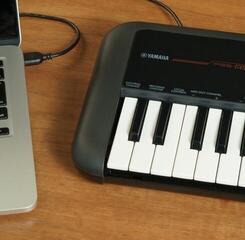
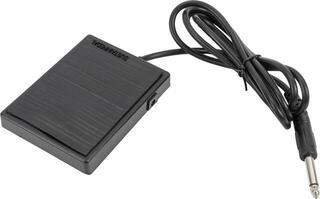
- For further development, an input for a sustain pedal and USB or MIDI connectivity to a learning app will be useful.
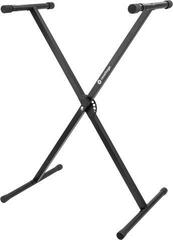
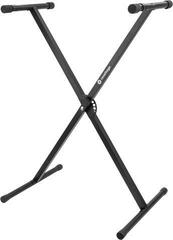
Place the keyboard on a stable stand at a height where the forearms remain approximately horizontal. A toy model and a learning instrument serve different purposes, so first decide whether it is intended for entertainment, first lessons or longer-term learning.