 Albania
 Argentina
 Australia
 Austria
 Belgium
 Bosnia and Herzegovina
 Brazil
 Bulgaria
 Canada
 Chile
Chile
 Colombia
 Croatia
 Czech Republic
 Denmark
 Estonia
 Finland
 France
 Germany
 Greece
 Hungary
 Ireland
 Italy
Italy
 Latvia
 Lithuania
 Luxembourg
 Mexico
 Moldova
 Montenegro
 Netherlands
 New Zealand
 North Macedonia
 Norway
 Philippines
 Poland
 Portugal
 Romania
 Serbia
 Slovakia
 Slovenia
 South Africa
 Spain
Spain
 Sweden
 Switzerland
 Turkey
 Ukraine
 United Kingdom
 United States of America



Guitar Effects
Guitar effects change the character of your instrument by adding distortion, space or movement, and they can also layer recorded phrases. Choose according to the sound you want, your instrument and where you will use it. A single pedal gives you direct control of a specific effect, while a multi-effects unit combines several types in one device. Size and power requirements matter too.
What sound do you want to create?
For light breakup that responds to playing dynamics, try an overdrive; a distortion produces heavier, more saturated drive. A delay adds repeats and a sense of space, while chorus, flanger and phaser add movement. You can also shape your expression with a wah-wah pedal. Choose tremolo, pitch effects or a noise gate according to the job they need to do in your signal chain.
Individual pedal or multi-effects unit?
| Option | When it makes sense |
|---|---|
| Individual pedal | When you want straightforward controls and are building your own effects chain. |
| Multi-effects unit or processor | When you need several sounds, saved settings and one shared device. |
With an electric guitar, the type of distortion and the connection to your amp are key considerations. For an electro-acoustic guitar, look for sensitive control of dynamics and ambience. Check what the effect is designed for and how it can connect to your rig.
Pedalboard and power
Before buying, compare the pedal dimensions with the available space on your pedalboard or in its bag. Voltage, polarity and current requirements must match the manufacturer's specifications; when powering several pedals, isolated outputs can help reduce unwanted noise. Explore suitable power supplies for effects and find other useful items among guitar effects accessories.
Choose according to how you play
- At home: Simple controls are useful even at lower volume.
- Rehearsals and gigs: Look for durability, clear controls and quick switching.
- Recording: Repeatable settings and the right connections make the process easier.
- Layering phrases: A looper or sampler records a passage so you can play another part over it.

How to choose guitar effects
Deals & Coupons: Guitar Effects
Unboxed: Guitar Effects
Bundles: Guitar Effects
Multieffects for Guitars

Distortions
Fuzzes
Boosters
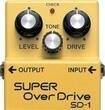
Overdrives

Delays
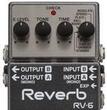
Reverbs

Loopers
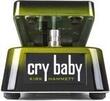
Wah-Wah Pedals

Choruses / Flangers / Phasers

Harmonizer / Pitch Shifter / Octaver

Compressors / Sustainers

Guitar synthesizer
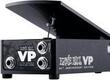
Volume / Expression Pedals

Noise Gates / Suppressors

Tremolos / Vibratos

Equalizers
Miscellaneous Pedals
Stomp/Drum Boxes
Pedalboards and Bags for Effects
Buffer Bay
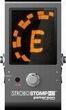
Floor Tuners
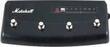
Foot switches and controllers

Di-Boxes

Effects for acoustic guitars
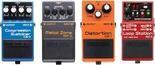
Guitar Effects - All Types
Guitar Effect Accessories
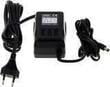
Power Supplies for Effects
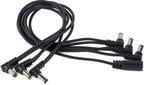
Power Supply Adaptor Cables
Batteries
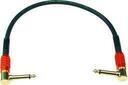
Patch Cables

Muziker Gift Voucher (Digital Product)
Popular Brands

Boss Guitar Effects

Electro Harmonix Guitar Effects

TC Electronic Guitar Effects

Nux Guitar Effects

MOOER Guitar Effects

Dunlop MXR Guitar Effects

Dunlop Guitar Effects

Zoom Guitar Effects

Line6 Guitar Effects

Singular Sound Guitar Effects

Behringer Guitar Effects

Strymon Guitar Effects

Valeton Guitar Effects

Digitech Guitar Effects

Wampler Guitar Effects

EarthQuaker Devices Guitar Effects

Fender Guitar Effects

Xotic Guitar Effects

Meris Guitar Effects

Vox Guitar Effects

Keeley Guitar Effects

TC Helicon Guitar Effects

L.R. Baggs Effects for acoustic guitars

Walrus Audio Guitar Effects

Ibanez Guitar Effects

Orange Guitar Effects

JHS Pedals Guitar Effects

ToneWoodAmp Guitar Effects

XVive Guitar Effects

Headrush Guitar Effects

Fulltone Guitar Effects

Blackstar Guitar Effects

Catalinbread Guitar Effects

Dunlop Way Huge Guitar Effects

Ernie Ball Guitar Effects

Morley Guitar Effects

Maxon Guitar Effects


