 Albania
 Argentina
 Australia
 Austria
 Belgium
 Bosnia and Herzegovina
 Brazil
 Bulgaria
 Canada
 Chile
Chile
 Colombia
 Croatia
 Czech Republic
 Denmark
 Estonia
 Finland
 France
 Germany
 Greece
 Hungary
 Ireland
 Italy
Italy
 Latvia
 Lithuania
 Luxembourg
 Mexico
 Moldova
 Montenegro
 Netherlands
 New Zealand
 North Macedonia
 Norway
 Philippines
 Poland
 Portugal
 Romania
 Serbia
 Slovakia
 Slovenia
 South Africa
 Spain
Spain
 Sweden
 Switzerland
 Turkey
 Ukraine
 United Kingdom
 United States of America



Lighting
Lighting shapes the atmosphere of a concert, DJ set, club night or corporate event while helping the audience follow what is happening on stage. When choosing stage lighting, consider the size of the venue, the effect you want, the mounting method and the available control options. A small mobile rig may need only a few easy-to-carry fixtures, while a club, theatre or larger stage calls for more precise coverage and prepared lighting scenes. Stands, cabling and secure mounting are also part of the choice.
How to choose stage lighting for the venue and type of event
A lighting set is practical for a mobile DJ or a smaller party, especially when quick setup and straightforward control matter. Coloured effects add movement to the dance floor, but performers also need consistent front or side lighting. A band in a club will usually combine broad coverage with moving effects; at a theatre show or hosted event, clearly visible faces and accurate positioning are more important. For a larger stage, assign a purpose to each fixture before deciding how many units you need.
Quick comparison by use
| Situation | What the lighting needs to do | Suitable starting point |
|---|---|---|
| Small DJ set | Colour, movement and easy transport | A lighting set or compact effects |
| Band and club | Keep musicians visible and change the mood | PAR lights with effects or moving heads |
| Event and theatre | Even coverage, precise scenes and repeatable settings | Stage lights with DMX control |
| Larger stage | Cover the space, direct beams and mount equipment safely | A combination of fixture types on a suitable structure |
Which type of fixture suits your stage?
PAR lights work well for broad washes of colour across a stage, wall or dance floor. LED bars create a continuous line of light and suit backdrops or wider surfaces. If you need to change the direction of the beam during a performance, consider moving heads. Depending on their optics and functions, they can produce a wider wash, a defined spot or a narrow beam.
Standalone lighting effects, strobes and lasers are better used as accents than as the main light on performers. A strobe can emphasise rhythmic moments, but its intensity and flash rate should be used with the audience in mind. A laser requires careful positioning and safe operation. For productions that need control over direction, intensity and lighting scenes, see stage lights.
Control, DMX and power
With one or two fixtures, an automatic mode, sound activation or a remote control may be enough if the model supports it. Connecting several fixtures through DMX lets you prepare scenes in advance, repeat changes in the correct order and control the devices together. When choosing a lighting controller or dimmer, check how many DMX channels you need and which control method suits the way you work.
Plan power distribution separately from data control. Add up the power draw of the devices, stay within the limits of the electrical circuit and use lighting cables with the right length and connectors. Extra length can help with cable routing, but surplus cable must not create loops or obstacles in walkways.
Mounting, load capacity and safety
Before suspending a fixture, check its weight, the load capacity of the stand or structure and the compatibility of the bracket or clamp. Secure equipment above people with a separate safety cable attached according to the manufacturer's instructions. Place lighting stands on level ground, do not exceed their rated load and route cables so that they do not become trip hazards. In a larger installation, fixtures belong on properly designed stage structures; installation above an audience should be handled by someone with suitable experience.
Transport and practical accessories
Mobile equipment needs protection from impacts, dust and movement in transit. Choose a bag or case according to the fixture's dimensions and weight, and label cables by length and purpose. Before leaving, check power and DMX cables, brackets, clamps, safety cables and small spare parts. You can find more items for mounting, maintenance and organising the rig among lighting accessories.
Deals Lighting

Latest Products: Lighting
Unboxed: Lighting
Bundles: Lighting
Lighting Sets
Moving Heads
PAR Lights
Lighting Effects
Effect Machines and Accessories
Lasers
LED Bars
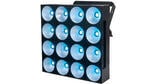
LED Panels
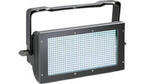
Stroboscope
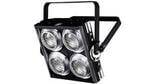
Blinders
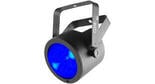
UV Technics
Theatre Lights
Decorational Lighting
Studio Lights
Lighting Controllers and Dimmers

Lighting Stands
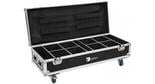
Lighting Gear Cases and Bags
Lighting Cables
Light Sources
Lighting accessories

Ring lights
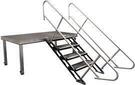
Stage constructions