 Albania
 Argentina
 Australia
 Austria
 Belgium
 Bosnia and Herzegovina
 Brazil
 Bulgaria
 Canada
 Chile
 Colombia
 Croatia
 Czech Republic
 Denmark
 Estonia
 Finland
 France
 Germany
 Greece
 Hungary
 Ireland
 Italy
 Latvia
 Lithuania
 Luxembourg
 Mexico
 Moldova
 Montenegro
 Netherlands
 New Zealand
 North Macedonia
 Norway
 Philippines
 Poland
 Portugal
 Romania
 Serbia
 Slovakia
 Slovenia
 South Africa
 Spain
 Sweden
 Switzerland
 Turkey
 Ukraine
 United Kingdom
 United States of America


Yamaha Keyboards
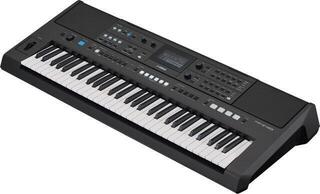
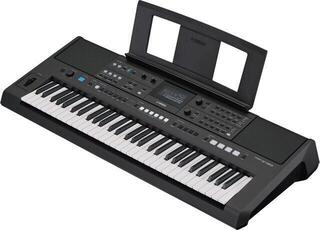
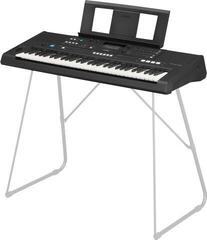
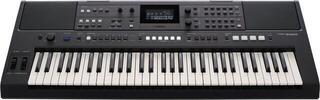
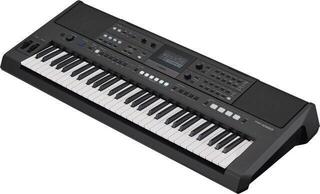
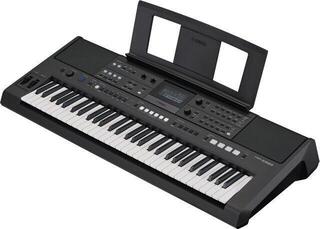
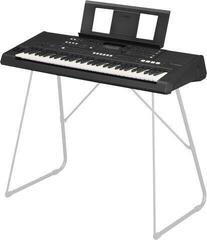
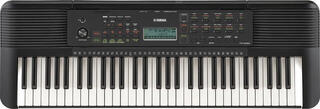
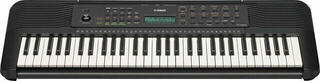
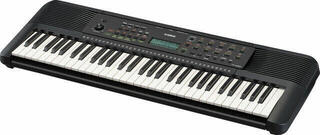
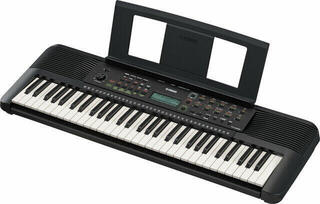
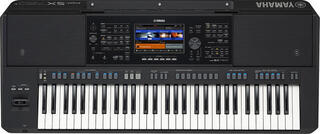
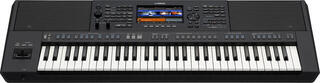
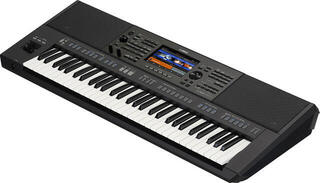
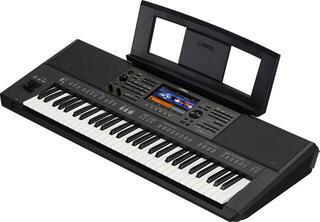
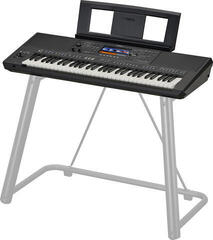
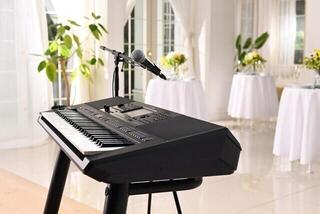
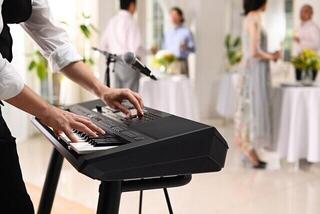
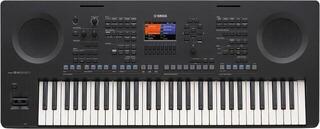
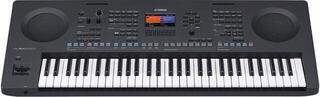
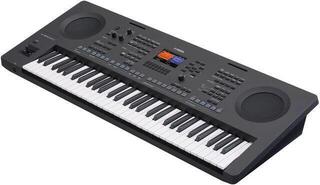
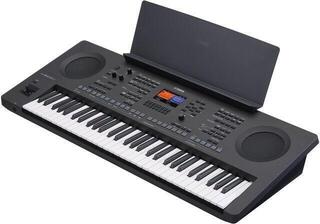
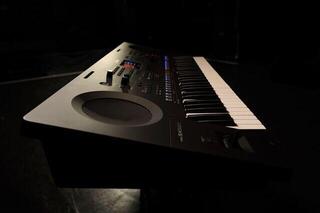
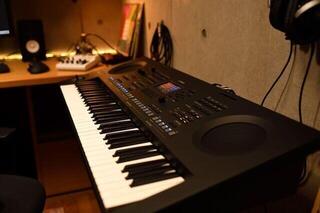
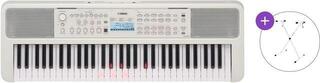
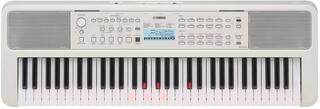
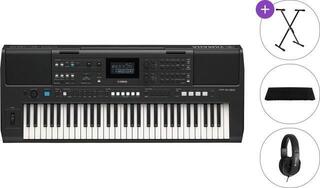
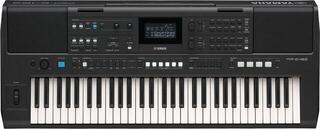
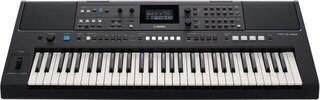
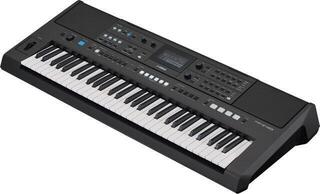
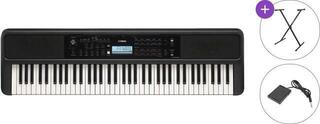
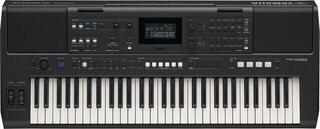
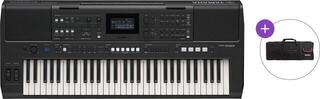
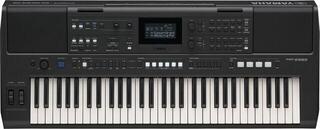
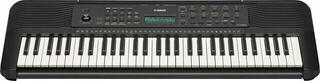
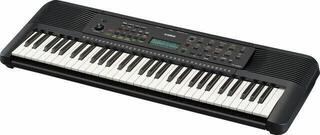
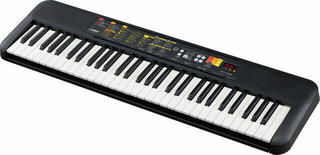
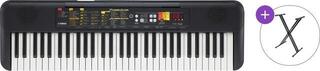
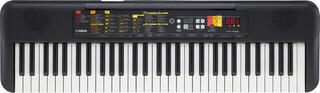
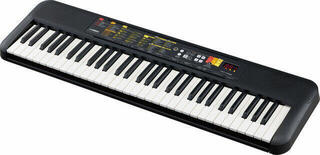
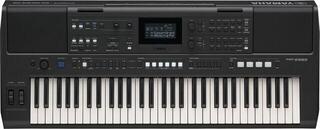
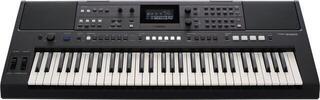
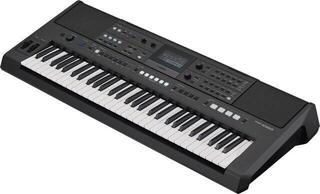
Yamaha keyboards in the current range include the simple PSR-F52, the PSR-E383, PSR-E483 and EZ-310 with extended playing options, and the higher-level PSR-SX720 Plus and PSR-SX920 arrangers, available individually and in several sets. The PSR-F, PSR-E and PSR-SX ranges differ mainly in equipment: basic playing, a touch-responsive keyboard and instruments with more extensive arranger control each have their own current models and sets. Yamaha thus connects first home playing, the development of dynamics and more advanced work with accompaniments in a single range.
Model branches of Yamaha keyboards
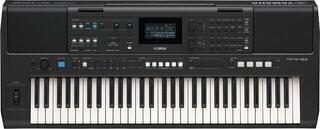
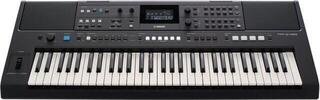
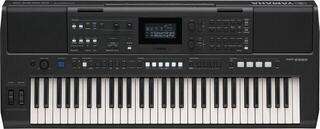
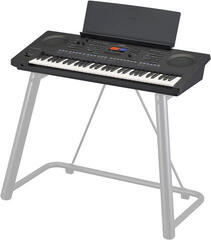
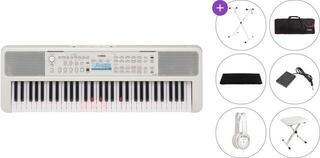
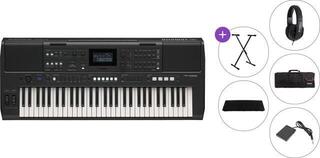
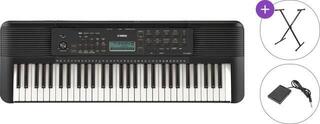
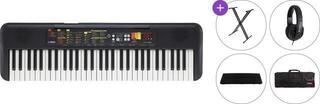
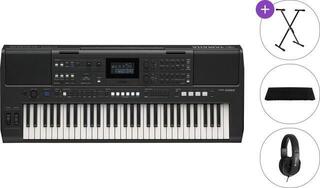
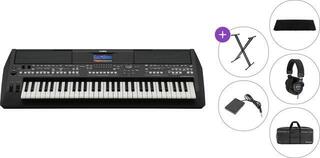
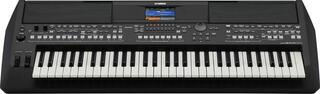
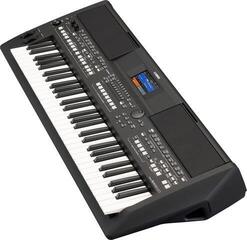
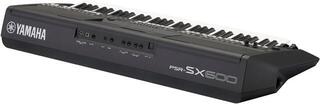
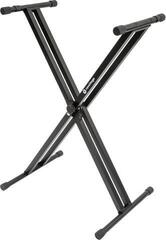
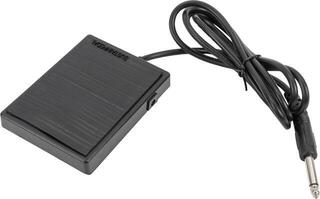
- Yamaha professional keyboards lead to the higher-level arranger models PSR-SX920 and PSR-SX720 Plus, which are also offered as PSR-SX920 Basic, Standard and Premium sets and PSR-SX720 Plus Basic, Standard and Premium sets, so a standalone instrument or a ready-made package with accessories can be chosen.
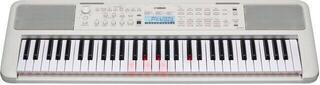
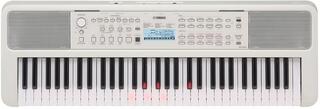
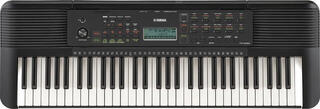
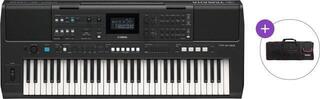
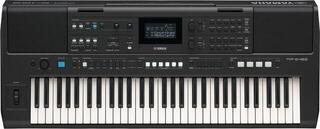
- Yamaha touch-sensitive keyboards bring together instruments on which key pressure affects the course of the performance; the PSR-E383, PSR-E483 and EZ-310 are intended for players who no longer want to stay with the fixed response of a basic keyboard.
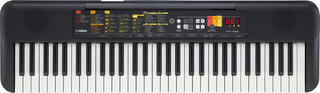
- Yamaha keyboards without touch sensitivity form the simpler branch for first melodies, rhythms and home practice; they include the PSR-F52 and PSR-E283, which sound the same regardless of how hard the keys are struck, which makes learning the basics easier.
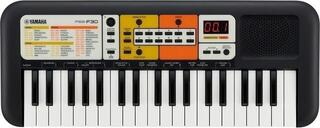
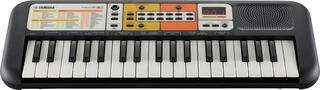
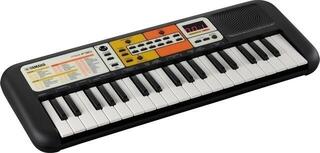
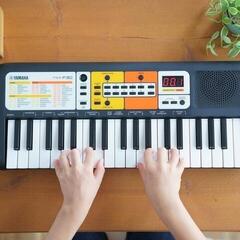
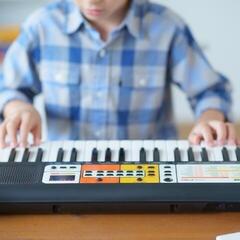
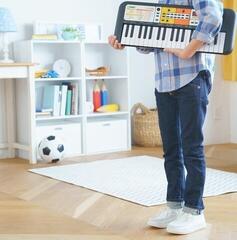
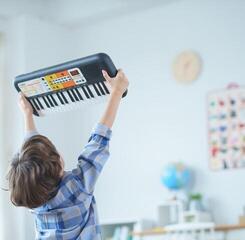
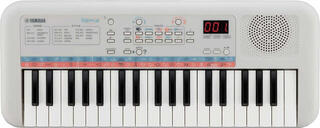
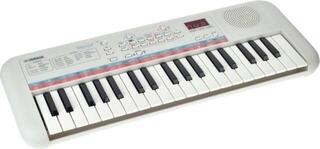
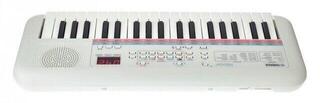
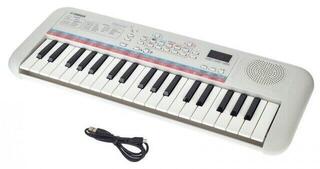
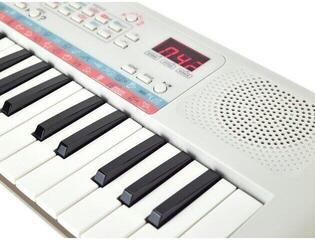
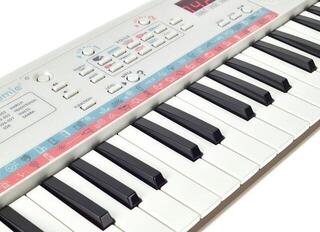
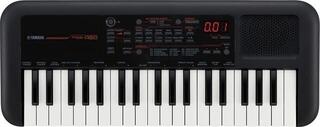
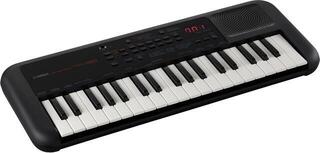
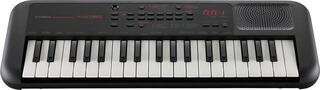
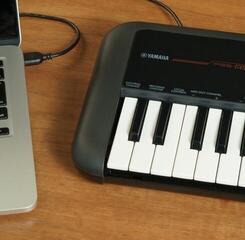
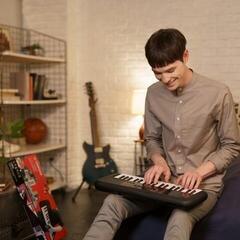
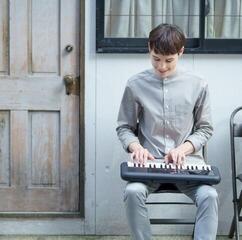
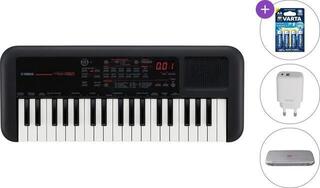
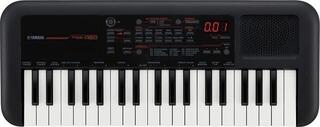
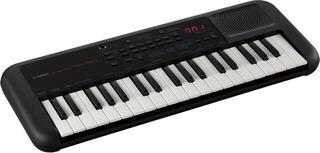
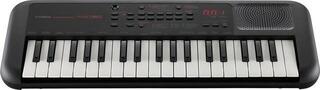
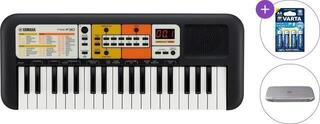
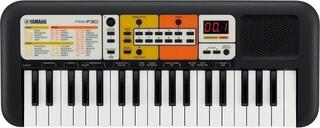
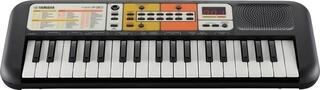
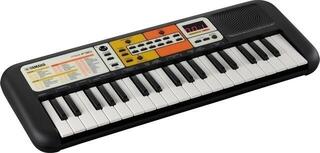
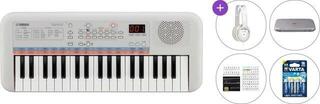
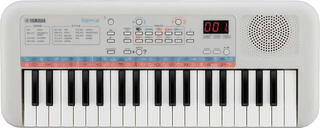
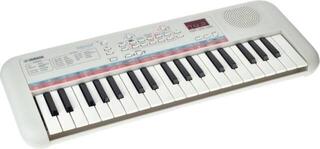
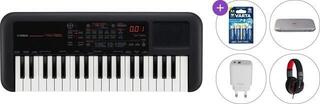
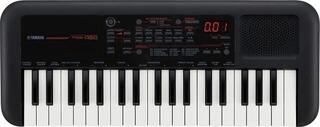
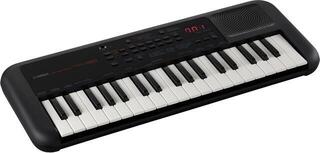
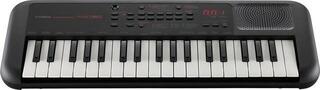
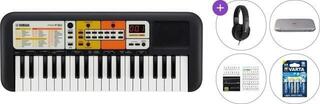
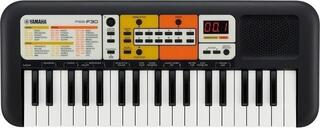
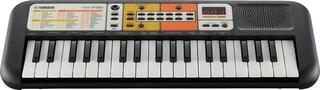
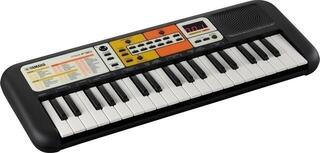
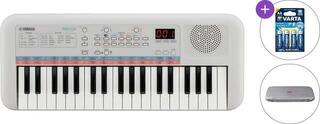
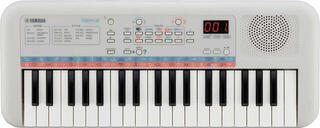
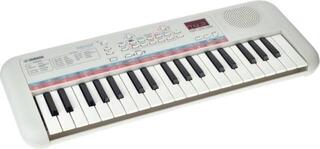
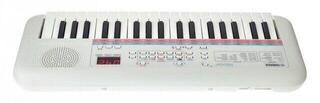
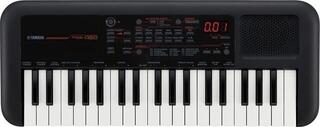
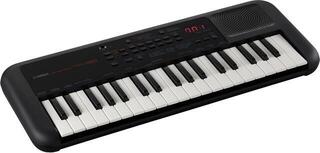
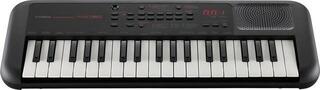
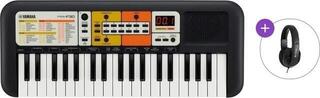
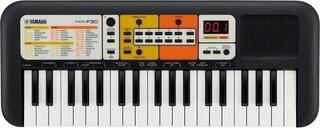
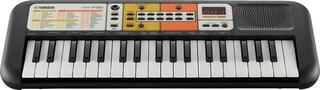
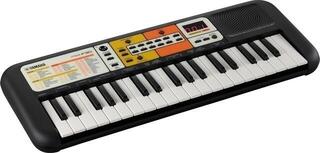
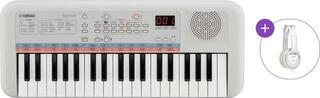
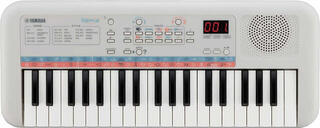
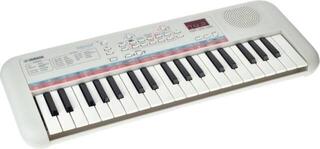
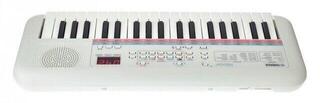
- Yamaha children's keyboards are represented by the smaller PSS-E30 and PSS-F30 with reduced-size keys for younger players, separated from the full-featured arrangers of the PSR-E and PSR-SX ranges.
The PSR-F, PSR-E and PSR-SX designations show the model family, so the difference between the branches is readable from the product name alone. The entry path is made up of the PSR-F52 and PSR-E283 without touch sensitivity, the PSR-E383, PSR-E483 and EZ-310 add a touch-responsive keyboard, and the PSR-SX720 Plus with the PSR-SX920 add arranger control together with Basic, Standard and Premium sets. The children's PSS-E30 and PSS-F30 stand apart as a separate branch for the youngest players and their first experiments with keys.