 Albania
 Argentina
 Australia
 Austria
 Belgium
 Bosnia and Herzegovina
 Brazil
 Bulgaria
 Canada
 Chile
Chile
 Colombia
 Croatia
 Czech Republic
 Denmark
 Estonia
 Finland
 France
 Germany
 Greece
 Hungary
 Ireland
 Italy
Italy
 Latvia
 Lithuania
 Luxembourg
 Mexico
 Moldova
 Montenegro
 Netherlands
 New Zealand
 North Macedonia
 Norway
 Philippines
 Poland
 Portugal
 Romania
 Serbia
 Slovakia
 Slovenia
 South Africa
 Spain
Spain
 Sweden
 Switzerland
 Turkey
 Ukraine
 United Kingdom
 United States of America



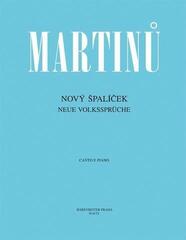
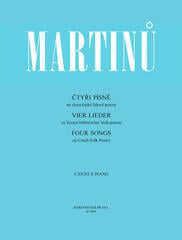
Bohuslav Martinů

Bohuslav Martinů
Bohuslav Martinů (1890–1959) was a leading Czech composer known for his significant contributions to modern classical music. Over his career, he composed six symphonies, fifteen operas, fourteen ballets, and numerous orchestral, chamber, and vocal works. A former violinist with the Czech Philharmonic and a pupil of Josef Suk, Martinů left Czechoslovakia for Paris in 1923. There, he moved away from Romanticism, embracing modern French influences and jazz, and later developed a distinctive neoclassical style with rich orchestral textures. His major works include the Double Concerto for Two String Orchestras, Piano and Timpani, the operas Juliette and The Greek Passion, and many pieces inspired by Czech folk melodies. After fleeing wartime Europe for the United States, Martinů’s symphonies were performed by major American orchestras. In his later years, he divided his time between Europe and New York, passing away in Switzerland in 1959. Martinů’s music is celebrated for its lyrical ingenuity, rhythmic vitality, and innovative use of folk elements.