 Albania
 Argentina
 Australia
 Austria
 Belgium
 Bosnia and Herzegovina
 Brazil
 Bulgaria
 Canada
 Chile
Chile
 Colombia
 Croatia
 Czech Republic
 Denmark
 Estonia
 Finland
 France
 Germany
 Greece
 Hungary
 Ireland
 Italy
Italy
 Latvia
 Lithuania
 Luxembourg
 Mexico
 Moldova
 Montenegro
 Netherlands
 New Zealand
 North Macedonia
 Norway
 Philippines
 Poland
 Portugal
 Romania
 Serbia
 Slovakia
 Slovenia
 South Africa
 Spain
Spain
 Sweden
 Switzerland
 Turkey
 Ukraine
 United Kingdom
 United States of America



Bongos
Bongos as a musical instrument: what you are choosing
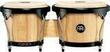
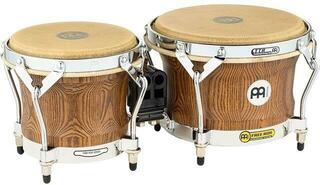
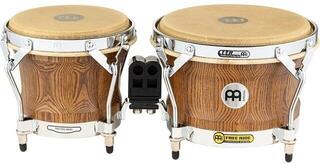
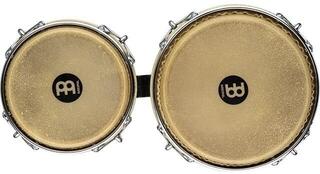
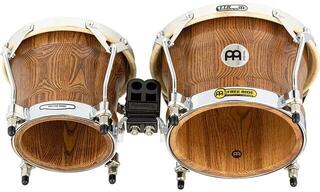
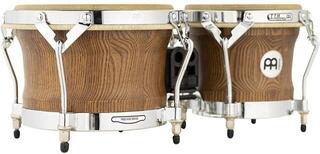
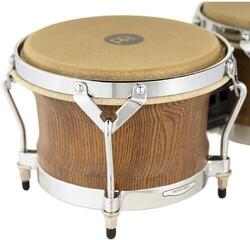
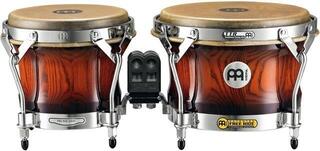
Bongos are musical percussion instruments – a pair of small hand drums joined into one instrument. In this category you will find bongo drums played with the hands, not water bongs. That distinction matters because the word bongo or bongos can appear in searches with a different meaning.
If you are checking what a bongo is and what bongo drums usually cost, focus on the size pair, shell material, head type and whether you will play seated, at home or on stage. The assortment covers simple bongos for beginners as well as sturdier models for regular playing.
How to choose bongos by size and sound
A bongo set consists of the higher macho drum and the deeper hembra drum. Common pairs include about 6.5/7.5", 6.75/8" or 7/8.5". Smaller bongo drums sound brighter and sharper, while larger sizes are fuller and carry better in acoustic playing.
For a first instrument, a medium size is practical because it sits comfortably between the knees and does not sound too thin. When comparing bongo price with real use, a cheaper model is enough for rhythm practice, school or home jams; higher-priced bongos make sense for more stable tuning, better hardware and frequent transport.
Material, heads and tuning
Wooden shells, including rubber wood, give a naturally warmer tone. ABS and other synthetic materials are durable, stable and useful when the instrument often changes environment. Heads can sound more natural or brighter depending on the model; even tuning and rims that do not get in the way of the hands are important.
For maintenance, regularly check head tension, use the tuning key according to the manufacturer's instructions and avoid exposing the instrument to major humidity or temperature changes.
Who they suit: beginner, home playing or band
Bongos are an accessible instrument for beginners, children in music school and players who want to add a percussive rhythm to an acoustic set. At home, comfortable size and pleasant volume matter. For a band or stage, choose stronger hardware, more accurate tuning and, if needed, a model that fits a stand well.
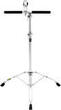
Playing seated or on a stand
| Situation | What to look for | Why |
|---|---|---|
| First bongos | medium pair, simple tuning | easy to hold and quick to show the difference between macho and hembra |
| Child/school | smaller size, durable shell | lower weight and less risk of damage |
| Home practice | balanced sound, comfortable seated playing | you do not need to buy a stand immediately |
| Band/stage | compatibility with bongo stands | stable height and better control during longer playing |
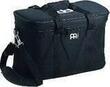
| Frequent transport | bags and cases for bongos | they protect the heads, rims and shell finish |
Bongos and congas: which alternative to choose
Bongos are smaller, higher-pitched hand drums suited to fast rhythmic figures and supporting percussion parts. Congas are larger individual drums with a deeper tone and more body. Choose bongos for a compact first instrument or an acoustic jam; compare congas if you want a bigger main percussion sound.