 Albania
 Argentina
 Australia
 Austria
 Belgium
 Bosnia and Herzegovina
 Brazil
 Bulgaria
 Canada
 Chile
Chile
 Colombia
 Croatia
 Czech Republic
 Denmark
 Estonia
 Finland
 France
 Germany
 Greece
 Hungary
 Ireland
 Italy
Italy
 Latvia
 Lithuania
 Luxembourg
 Mexico
 Moldova
 Montenegro
 Netherlands
 New Zealand
 North Macedonia
 Norway
 Philippines
 Poland
 Portugal
 Romania
 Serbia
 Slovakia
 Slovenia
 South Africa
 Spain
Spain
 Sweden
 Switzerland
 Turkey
 Ukraine
 United Kingdom
 United States of America



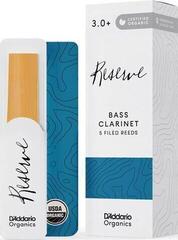
Clarinet Reeds, 3 +
Clarinet reeds have their own format and are not interchangeable with saxophone reeds. Before choosing strength, check the exact clarinet and mouthpiece for which the product is intended. The reed affects the start of a note, blowing resistance and control between registers. A suitable combination allows relaxed playing without biting the mouthpiece or forcing the air.
Instrument type and mouthpiece come first
The label “clarinet reed” alone is not enough. Different clarinets may use different sizes, so follow the product compatibility and mouthpiece maker's information. Do not interchange B-flat, E-flat or bass clarinet formats on appearance alone; compatibility cannot be confirmed without clear product labelling.
How to choose strength
A softer reed usually offers less resistance and speaks more easily. A harder one needs more support, with the result depending on mouthpiece opening and facing as well as the player's embouchure. A higher number is neither a quality grade nor an automatic step for an advanced player. Compare strength charts when changing brand or range.
Replacing and rotating reeds
- Replace a reed with a damaged tip, warping or uneven response.
- Let natural reeds dry flat and rotate them so one reed is not constantly overworked.
- Test a smaller pack from a new range before buying more.
Material and profile refine the playing feel. Natural cane can vary slightly between pieces; synthetic reeds are generally more consistent but need not copy the response or strength scale of a natural model.