 Albania
 Argentina
 Australia
 Austria
 Belgium
 Bosnia and Herzegovina
 Brazil
 Bulgaria
 Canada
 Chile
 Colombia
 Croatia
 Czech Republic
 Denmark
 Estonia
 Finland
 France
 Germany
 Greece
 Hungary
 Ireland
 Italy
 Latvia
 Lithuania
 Luxembourg
 Mexico
 Moldova
 Montenegro
 Netherlands
 New Zealand
 North Macedonia
 Norway
 Philippines
 Poland
 Portugal
 Romania
 Serbia
 Slovakia
 Slovenia
 South Africa
 Spain
 Sweden
 Switzerland
 Turkey
 Ukraine
 United Kingdom
 United States of America


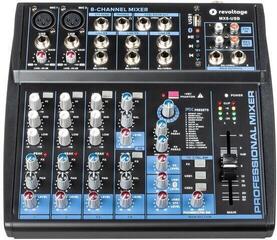
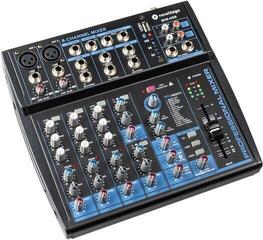
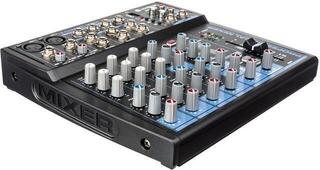
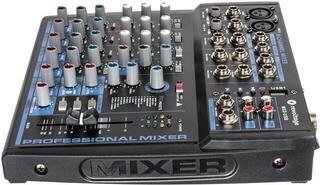
Mixers with USB
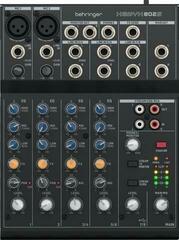
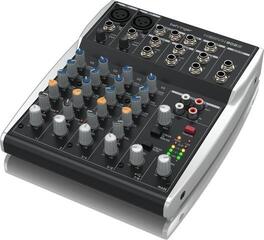
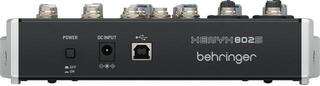
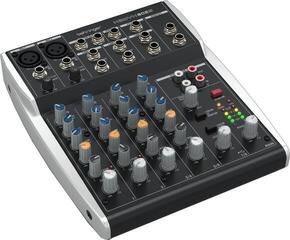
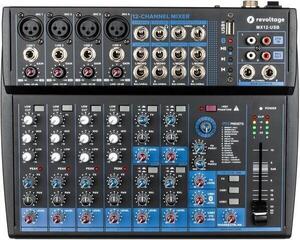
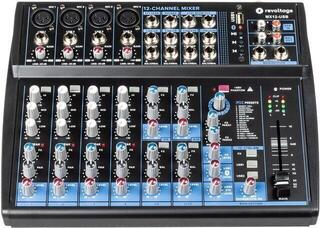
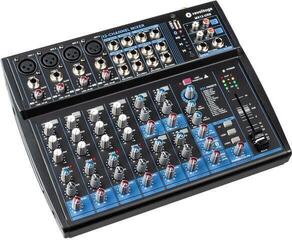
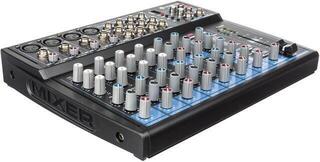
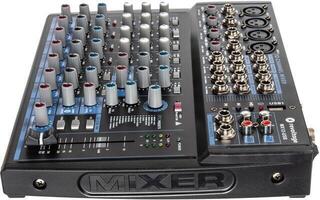
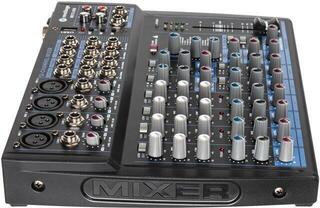
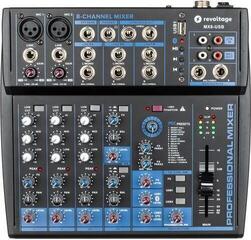
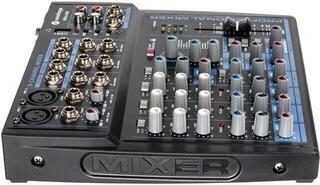
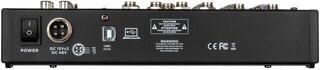
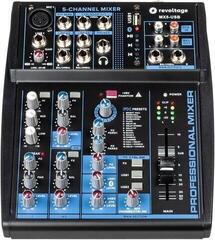
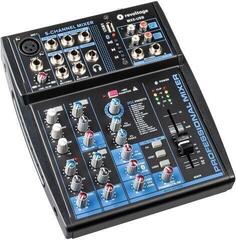
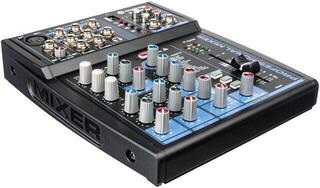
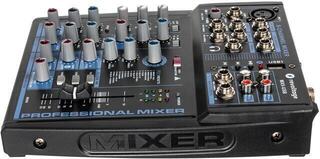
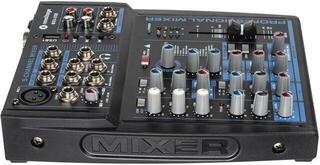
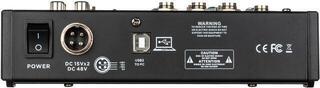
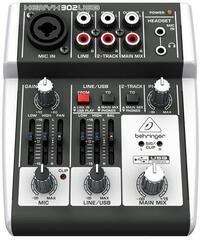
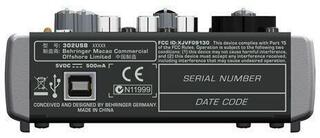
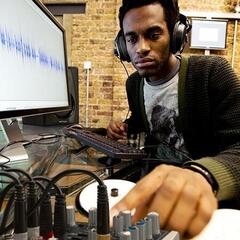
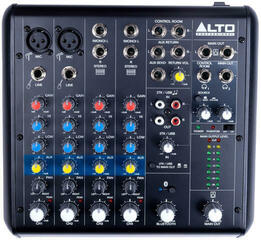
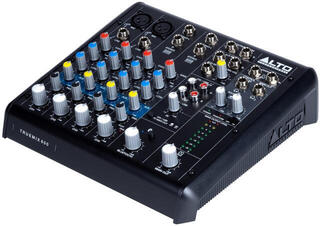
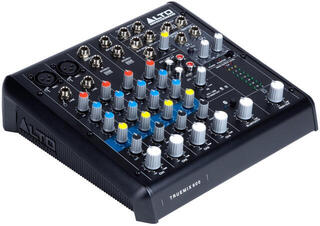
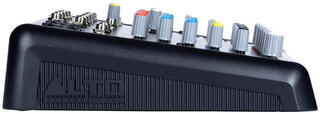
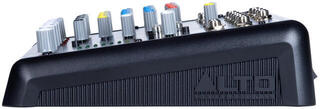
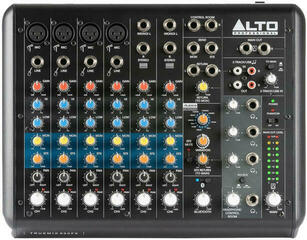
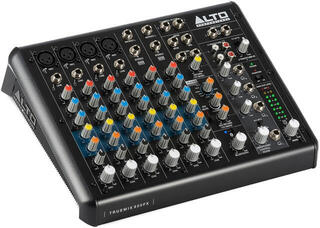
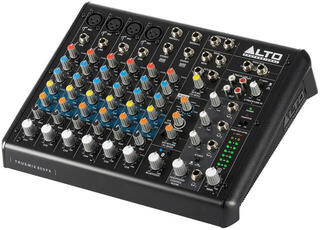
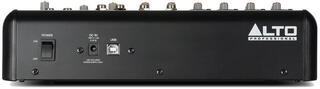
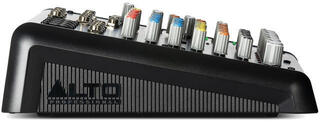
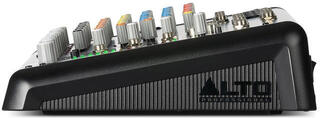
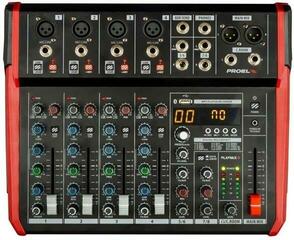
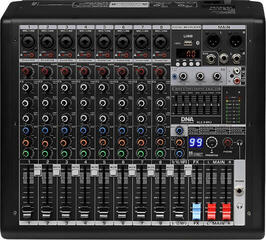
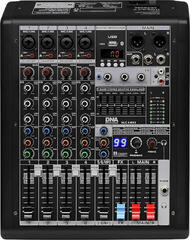
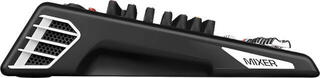
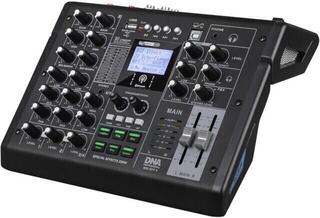
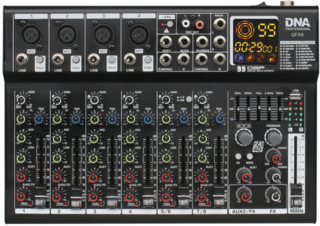
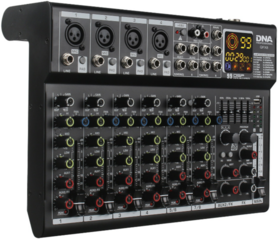
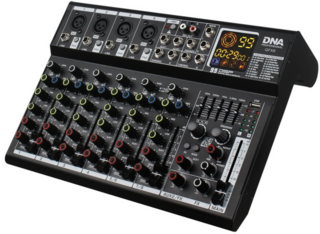
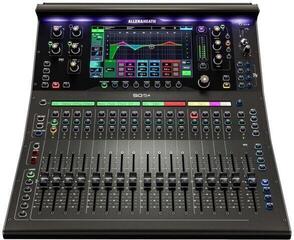
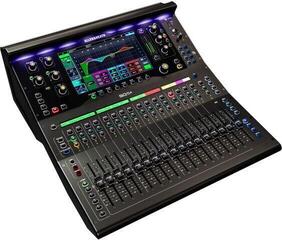
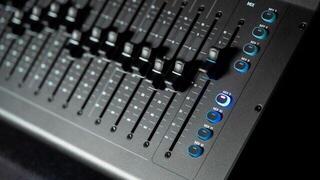
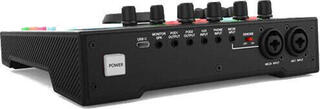
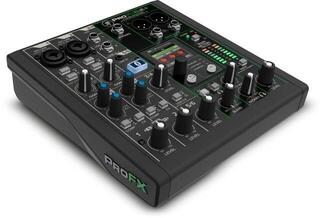
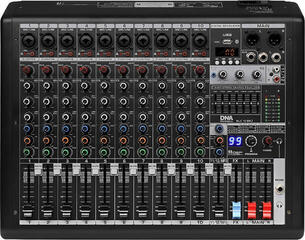
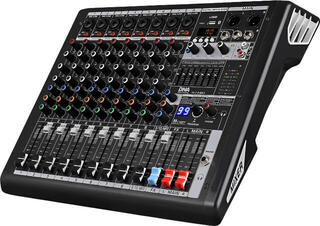
Mixers with USB are mixing consoles that combine signals from microphones, instruments and players while also connecting to a computer or another device over USB. On mixers with a USB audio interface, you can send your finished mix to recording software, a live stream or a video call, and listen to audio from your computer through the same cable. On other models, USB is only used for playback from a USB memory stick or for power. Here you'll find small analogue mixers for home recording, digital desks for bands and podcast consoles for conversations. Brands include Behringer, Midas, Allen & Heath, Yamaha, Mackie and Rode, and only models with USB from the full mixers category belong on this page.
What does USB actually do on a mixer?
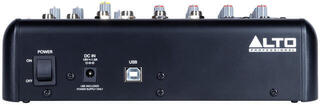
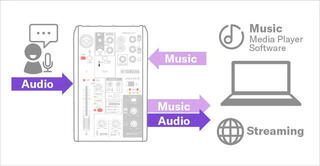
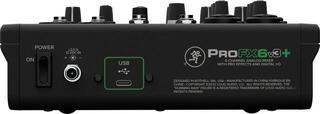
USB on a mixer can serve three purposes, so it helps to know which one you need when choosing. Its main role is as an audio interface built into the desk: your computer recognises the mixer as an audio device, records its output and plays computer audio back through speakers or headphones. On smaller mixers with a built-in player, the USB port plays music from a USB memory stick, for example during a break at an event. Some podcast consoles and small mixers also receive power over USB-C, so you don't need a separate power supply.
A stereo mix or a separate track for every channel?
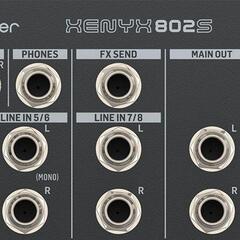
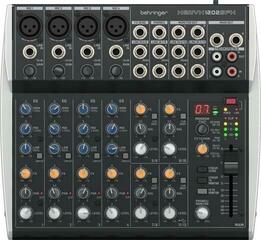
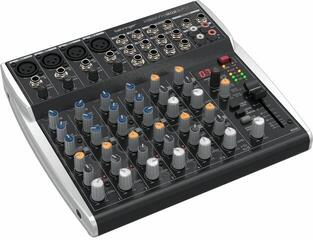
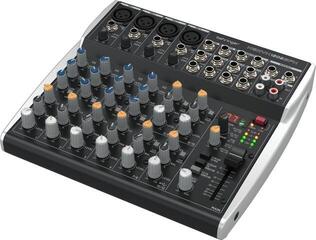
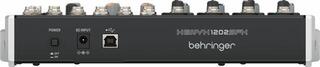
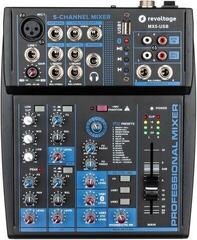
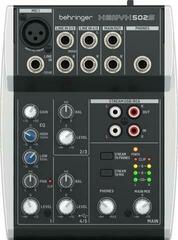
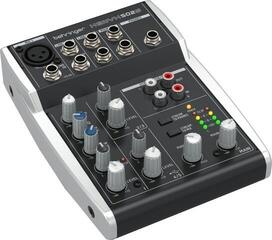
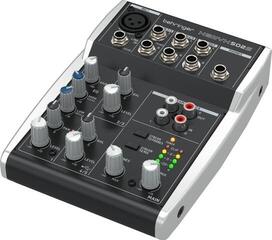
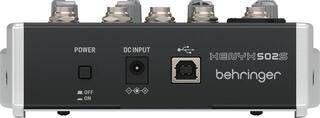
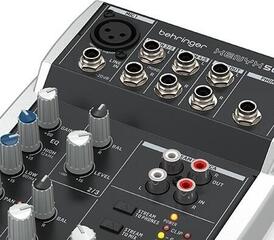
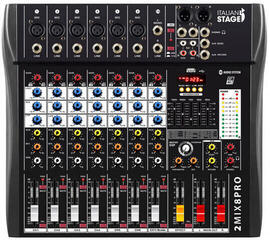
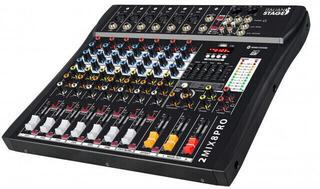
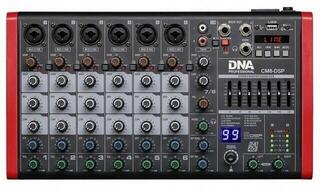
Smaller analogue mixers, such as the Behringer Xenyx series with USB, send stereo audio to your computer: the left and right channels of the finished mix. That's enough for live streaming, recording a rehearsal or a video call, but you set the volume of each instrument on the desk beforehand and can't change it in the recording afterwards.
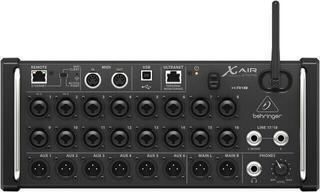
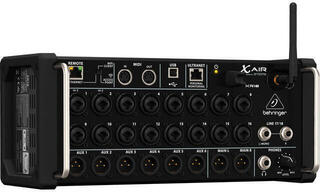
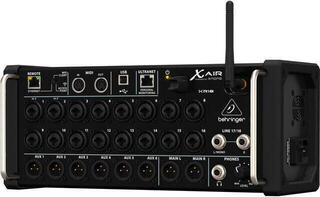
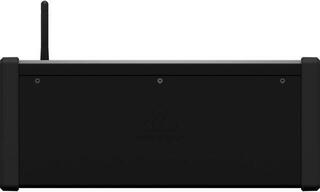
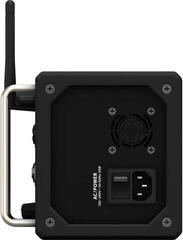
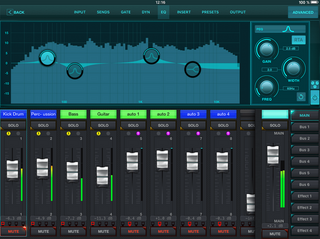
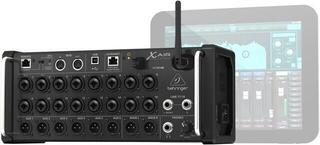
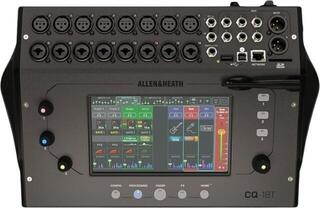
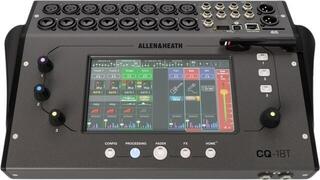
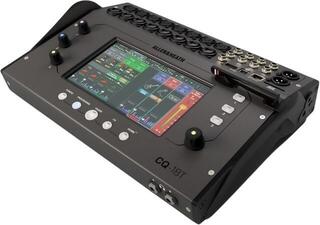
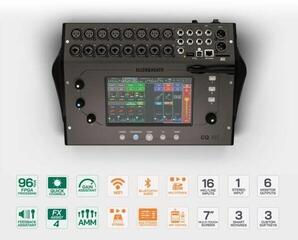
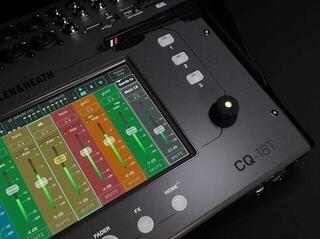
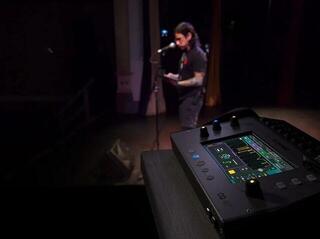
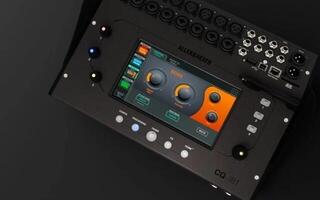
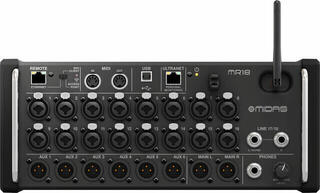
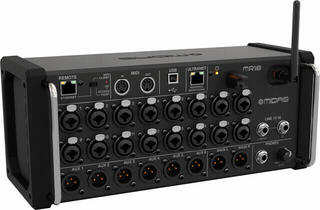
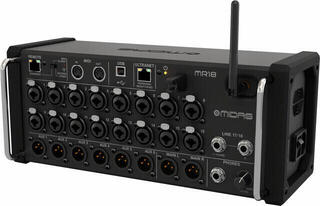
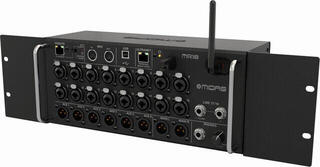
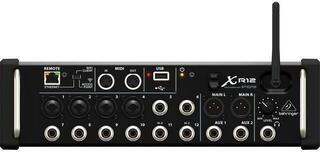
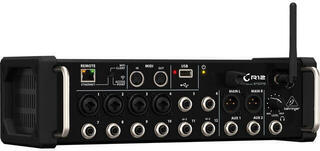
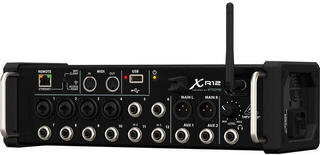
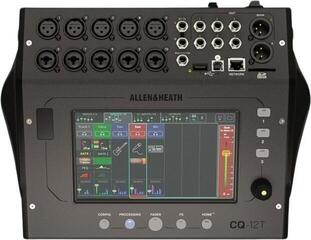
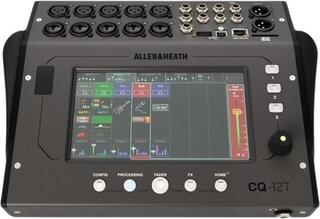
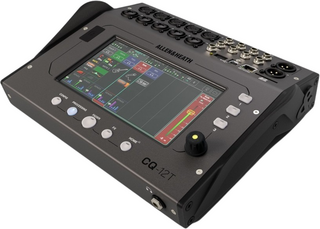
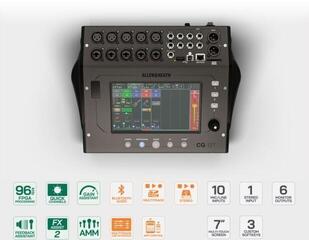
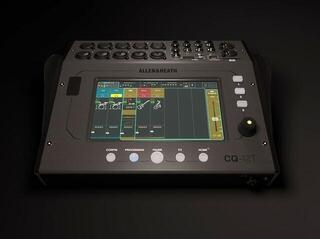
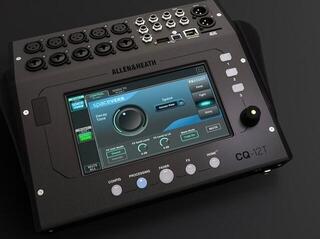
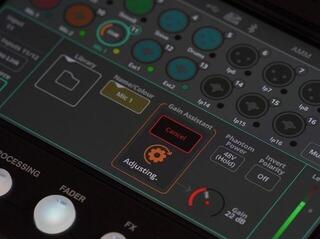
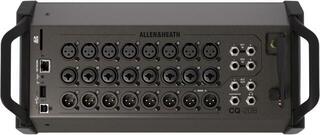
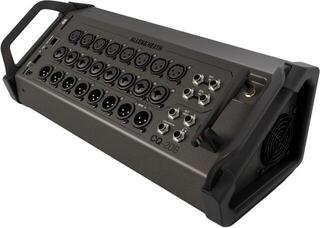
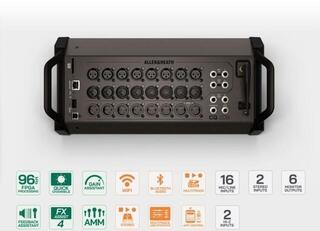
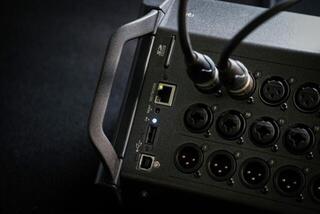
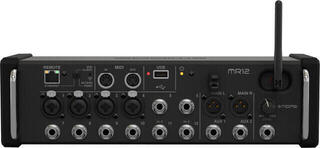
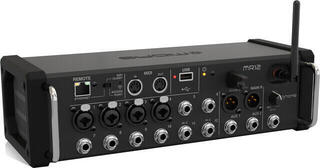
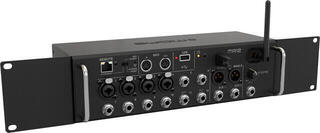
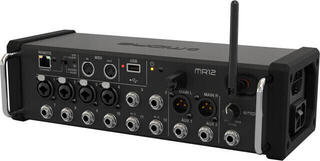
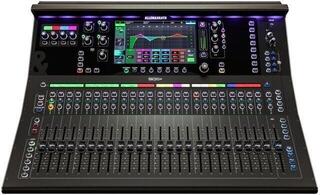
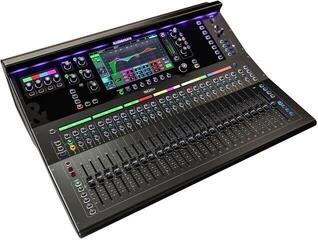
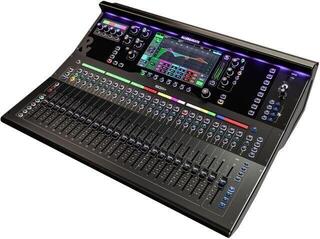
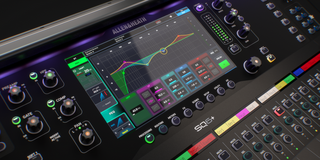
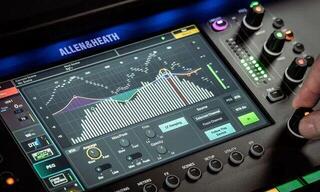
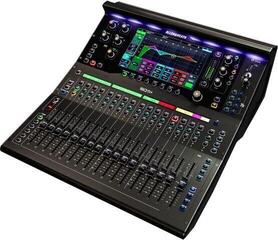
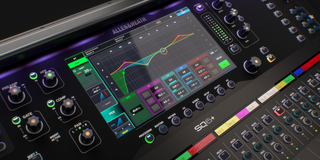
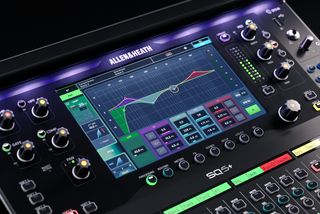
Digital mixers such as Behringer X AIR XR18, Midas MR18 or the Behringer Wing series send each input over USB to a separate track. You can then edit vocals, guitar and drums individually in your software, which is useful when recording a concert or a whole band at once. The X AIR and MR18 desks have no physical faders: you control them over Wi-Fi from a tablet or mobile phone, while the Allen & Heath CQ-18T has its own touchscreen.
How many channels and which inputs do you need?
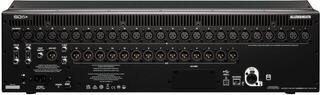
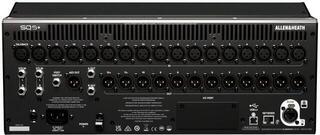
The channel count in a mixer's name includes line and stereo inputs, so a 12-channel mixer doesn't necessarily have 12 microphone inputs. Count the sources that will play at the same time: a microphone connects via XLR, a guitar or keyboard via a 6.3 mm jack, and a combo socket accepts both. For vocals with guitar or a podcast with one guest, 4 to 6 channels are usually enough; a small band in a rehearsal room needs 12 to 16. Condenser microphones need phantom power, which most of the mixers on this page provide.
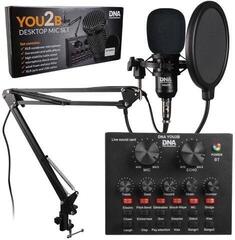
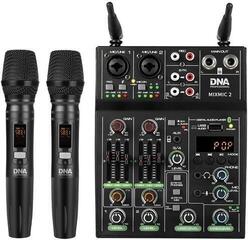
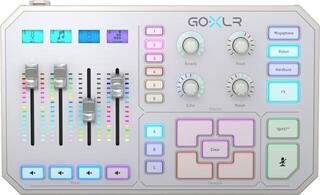
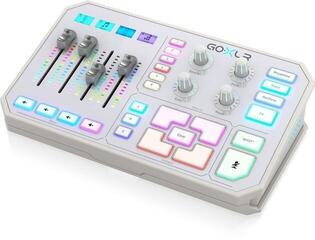
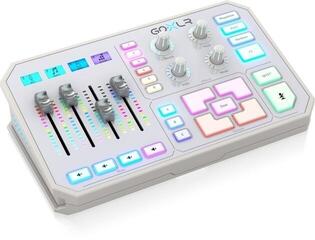
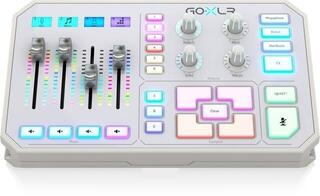
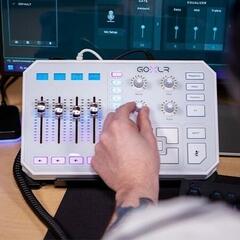
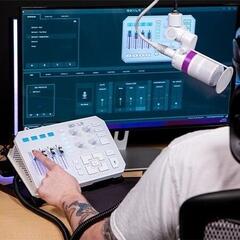
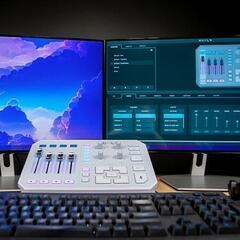
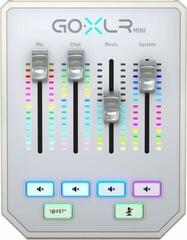
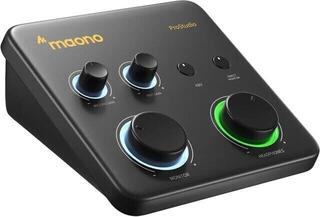
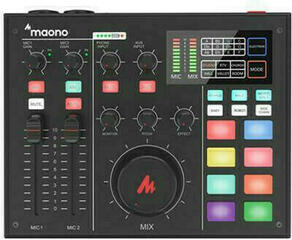
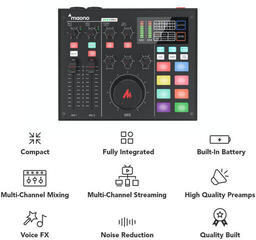
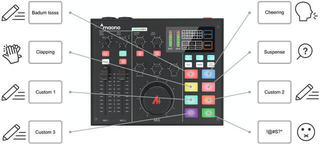
A podcast console such as Rode Caster Pro II is a mixer designed for speech: it has buttons for jingles and sound effects, a touchscreen, connects a guest on the phone via Bluetooth and records to both a memory card and a computer. For reinforcing a band with drums and amplifiers, however, a conventional mixer with more line inputs and outputs for stage monitors is a better fit.