 Albania
 Argentina
 Australia
 Austria
 Belgium
 Bosnia and Herzegovina
 Brazil
 Bulgaria
 Canada
 Chile
Chile
 Colombia
 Croatia
 Czech Republic
 Denmark
 Estonia
 Finland
 France
 Germany
 Greece
 Hungary
 Ireland
 Italy
Italy
 Latvia
 Lithuania
 Luxembourg
 Mexico
 Moldova
 Montenegro
 Netherlands
 New Zealand
 North Macedonia
 Norway
 Philippines
 Poland
 Portugal
 Romania
 Serbia
 Slovakia
 Slovenia
 South Africa
 Spain
Spain
 Sweden
 Switzerland
 Turkey
 Ukraine
 United Kingdom
 United States of America



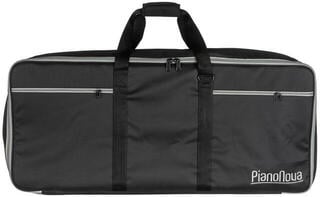
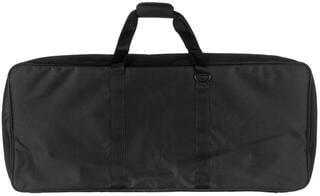
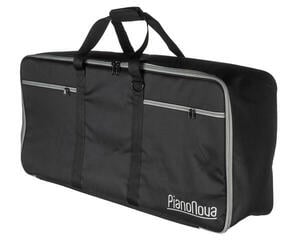
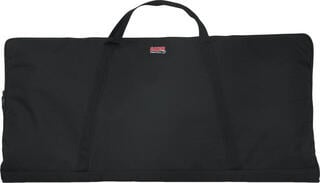
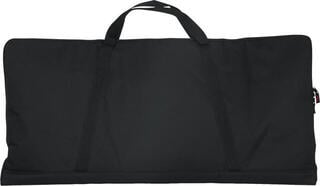
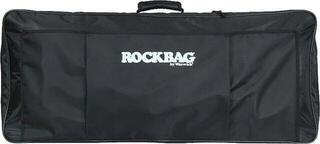
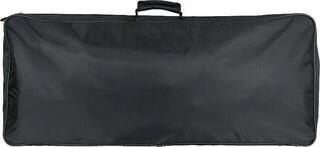
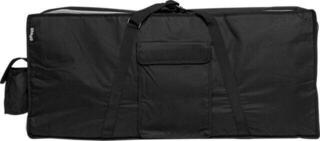
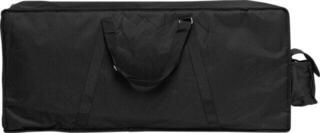
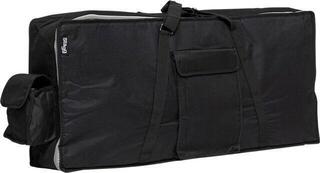
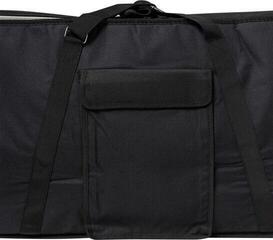
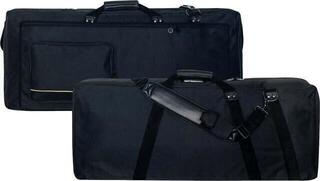
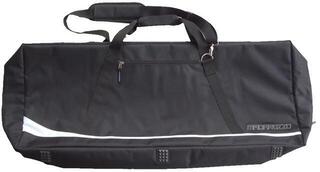
61 Keys
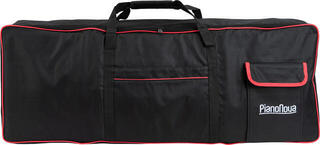
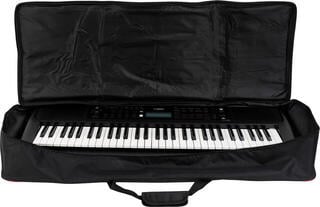
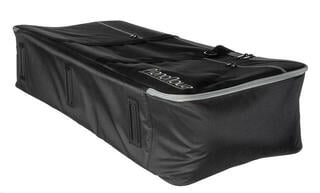
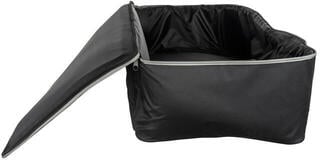
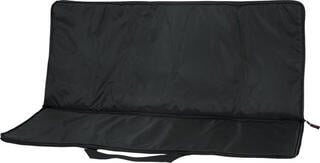
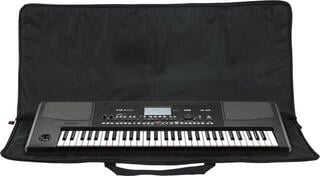
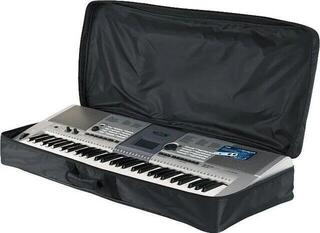
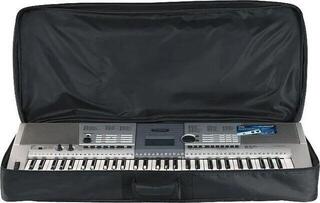
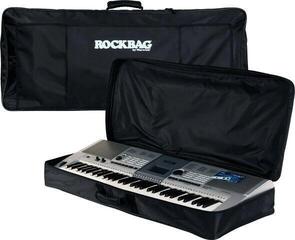
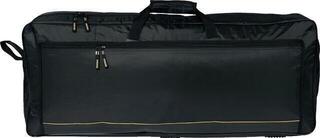
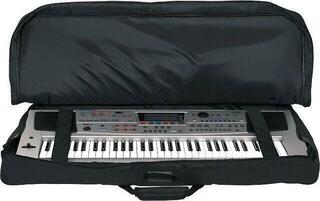
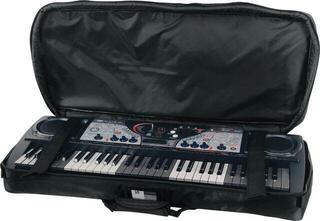
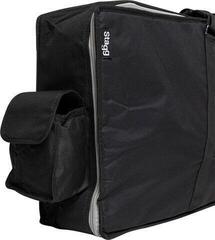
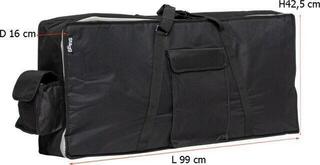
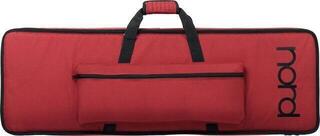
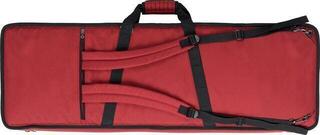
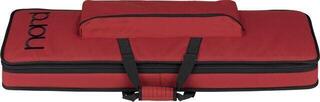
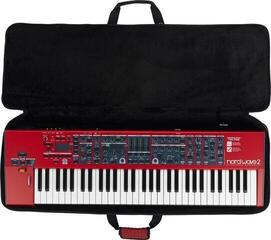
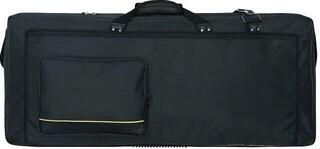
Cases for 61-key keyboards are designed to make medium-length instruments safer to carry. Two models with the same number of keys can differ in width, depth and control layout. The label “61 keys” is therefore only an initial guide. The case's internal dimensions and the specifications of the particular instrument are what decide the fit.
Balance protection against total weight
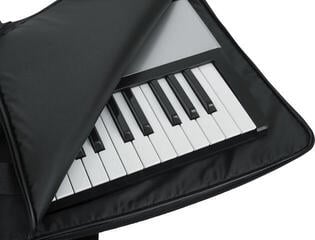
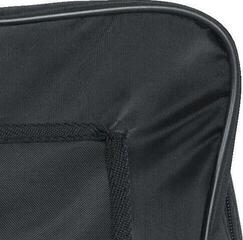
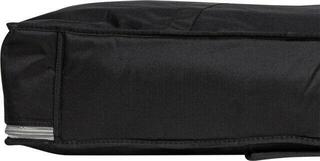
Thicker padding can help during frequent transport, but it also adds bulk and weight. Add the weight of the keyboard and case, then compare the result with the stated load capacity of the handles or straps. When travelling by car, pay attention to protection along the side walls and base. If the case is only used for storage at home, easy handling and a dust-resistant closure may matter more.
Handles and straps must suit your transport routine
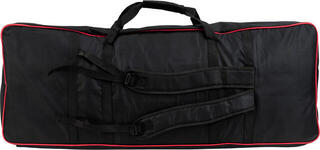
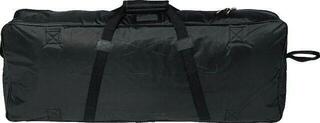
- Check the handle position so a loaded case does not tip heavily towards one end when lifted.
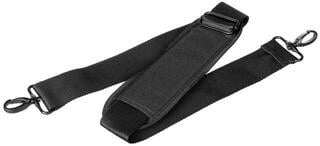
- For a shoulder strap, verify its attachment, adjustment and whether it is included.
- For longer walks, use only a carrying method stated by the manufacturer for that case.
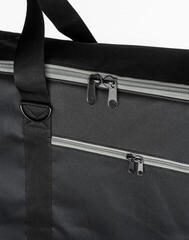
- Place cables and a pedal in a separate pocket only when they will not press against the keyboard body.
Before buying, also compare the shape of the corners and any protruding wheels, controls or connectors on the instrument. The case should not be stretched tight or unnecessarily loose. The strongest evidence of a match is an explicitly listed model or a combination of exact dimensions, load capacity and case construction.