Albania
 Argentina
 Australia
 Austria
 Belgium
 Bosnia and Herzegovina
 Brazil
 Bulgaria
 Canada
 Chile
 Colombia
 Croatia
 Czech Republic
 Denmark
 Estonia
 Finland
 France
 Germany
 Greece
 Hungary
 Ireland
 Italy
 Latvia
 Lithuania
 Luxembourg
 Mexico
 Moldova
 Montenegro
 Netherlands
 New Zealand
 North Macedonia
 Norway
 Philippines
 Poland
 Portugal
 Romania
 Serbia
 Slovakia
 Slovenia
 South Africa
 Spain
 Sweden
 Switzerland
 Turkey
 Ukraine
 United Kingdom
 United States of America


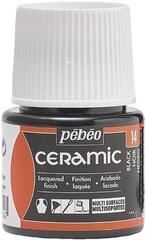
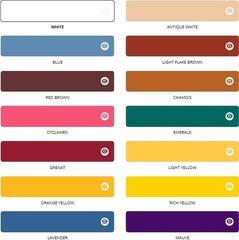
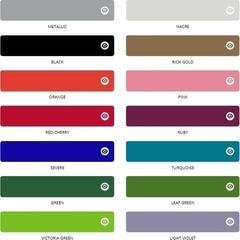
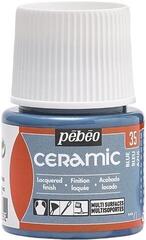
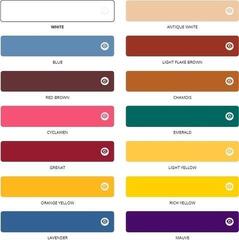
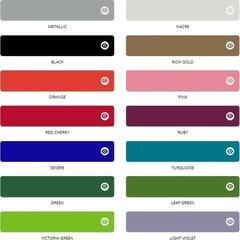
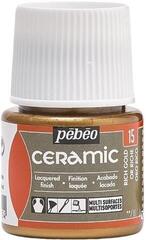
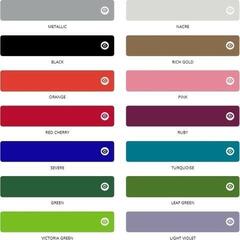
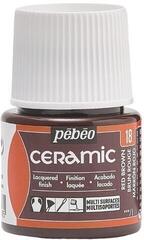
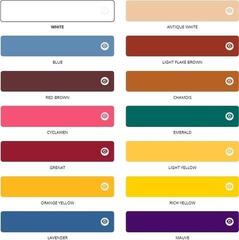
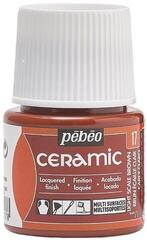
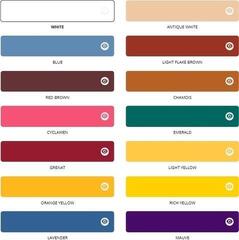
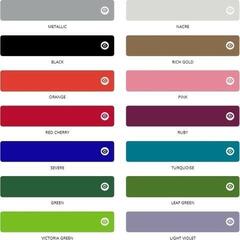
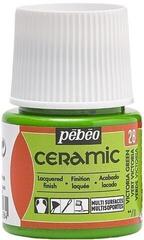
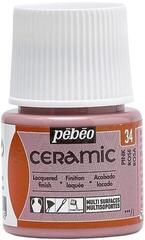
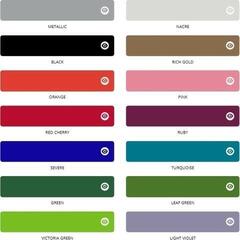
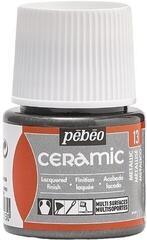
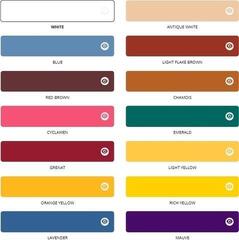
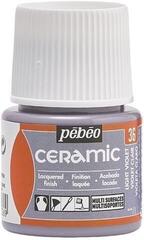
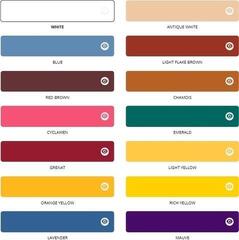
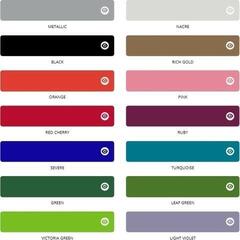
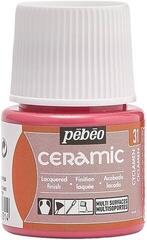
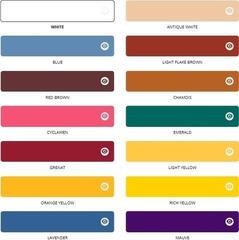
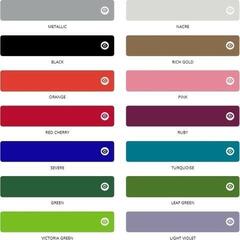
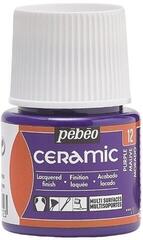
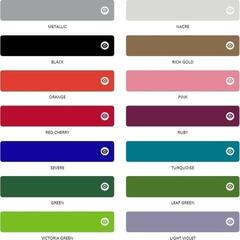
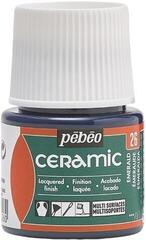
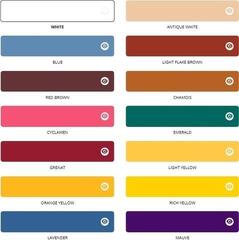
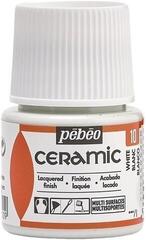
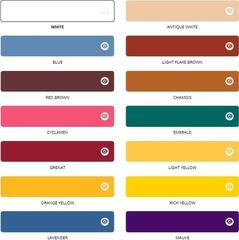
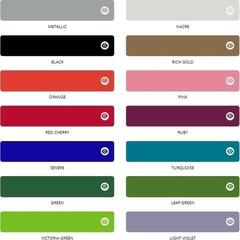
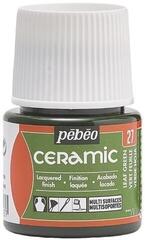
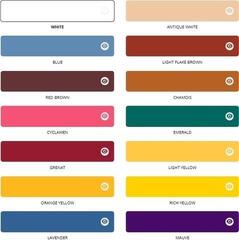
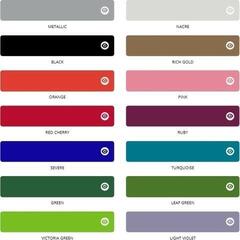
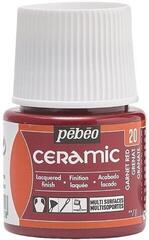
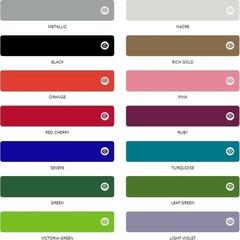
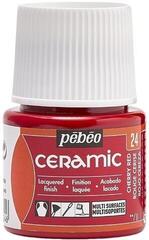
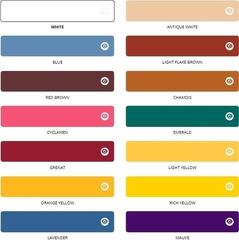
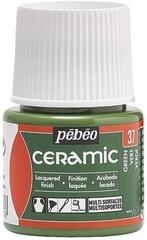
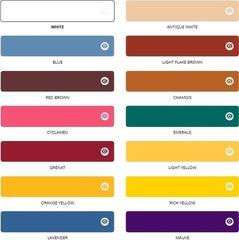
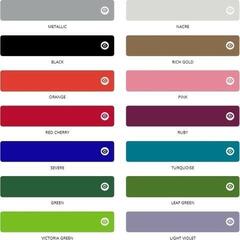
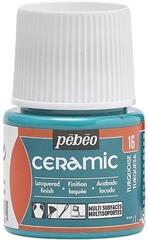
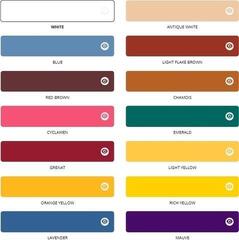
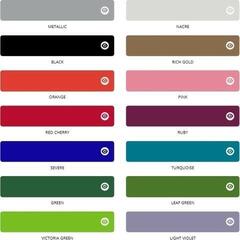
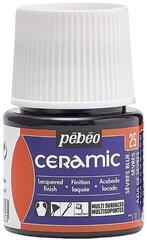
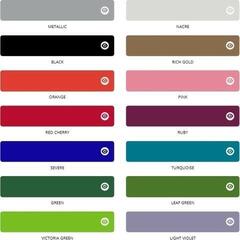
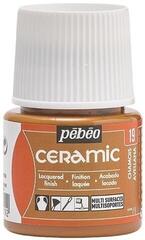
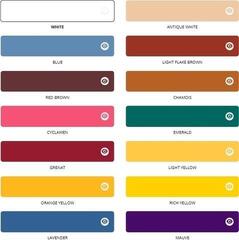
Ceramic Paint
Ceramic paint must be suited to whether the surface is glazed, unglazed, or already surface-treated. Porous ceramics absorb more paint, while smooth glaze requires better adhesion. A decorative flowerpot and a functional bowl do not have the same requirements. Before painting, check the material, fixing method, and food-contact restrictions.
Unglazed ceramics absorb paint
Remove dust with a soft brush and prepare the surface according to the paint's instructions. The first layer may soak in and change the shade's saturation. A thick application will not solve uneven absorbency; it is better to work in suitable layers and test on the bottom of the item.
Glaze requires a clean surface
Degrease the smooth surface and do not touch it after cleaning. Apply the paint without excessive thinning and correct mistakes within the time permitted by the manufacturer. Outliner, brush, and marker create different types of marks.
Decoration or functional item
- A flowerpot or figurine is mainly concerned with appearance and durability during normal cleaning.
- A bowl or mug requires explicit instructions regarding contact with food and heat.
- An outdoor item needs paint intended for the relevant conditions.
Compare glass products under Glass Paints and drawn details under Porcelain Markers. The entire range is connected by Glass and Porcelain Painting.
Curing and cleaning
Follow the specific time, temperature, and cooling method. Do not wash or place the item under stress before it has cured completely. Use abrasive cleaning only if the manufacturer permits it.