 Albania
 Argentina
 Australia
 Austria
 Belgium
 Bosnia and Herzegovina
 Brazil
 Bulgaria
 Canada
 Chile
Chile
 Colombia
 Croatia
 Czech Republic
 Denmark
 Estonia
 Finland
 France
 Germany
 Greece
 Hungary
 Ireland
 Italy
Italy
 Latvia
 Lithuania
 Luxembourg
 Mexico
 Moldova
 Montenegro
 Netherlands
 New Zealand
 North Macedonia
 Norway
 Philippines
 Poland
 Portugal
 Romania
 Serbia
 Slovakia
 Slovenia
 South Africa
 Spain
Spain
 Sweden
 Switzerland
 Turkey
 Ukraine
 United Kingdom
 United States of America



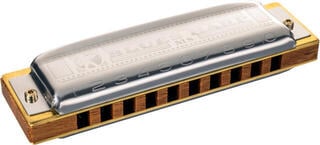
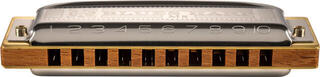
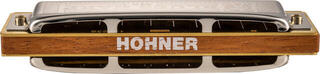
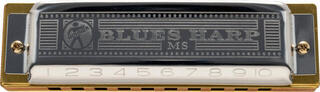
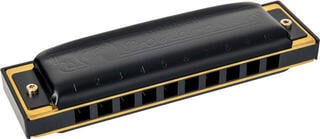
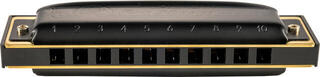
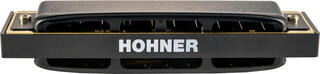
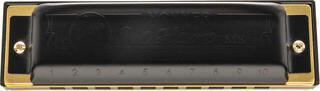
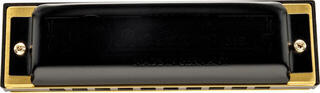
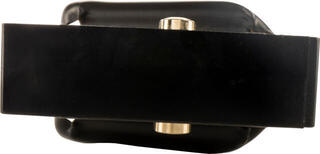
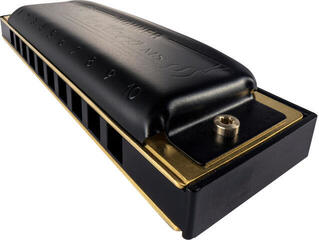
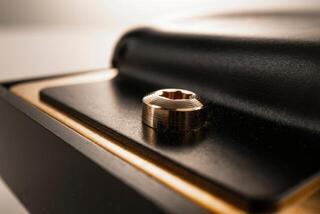
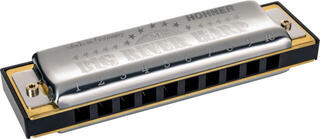
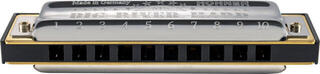
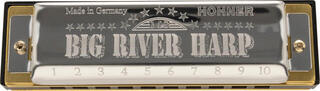
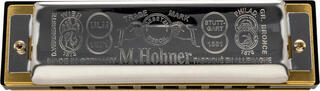
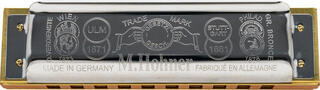
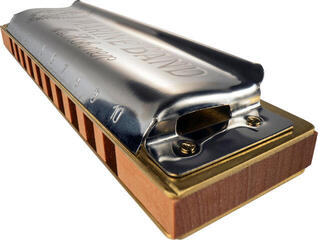
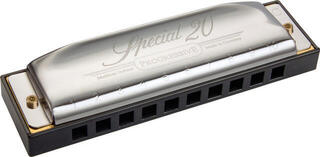
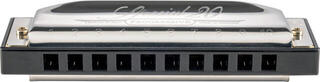
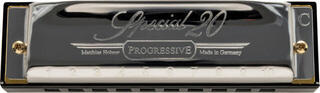
Diatonic Mouth Harmonicas
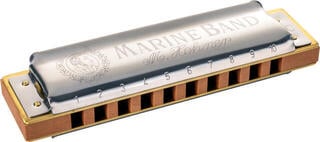
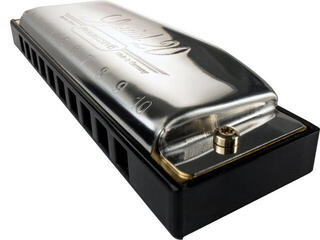
Diatonic harmonicas are small wind instruments tuned to one main key and used mainly in blues, rock, folk, country and singer-songwriter music. They suit players who want a compact instrument with a direct tone, quick response and the ability to bend notes. The key, tuning system, number of holes and comfort during longer sessions all matter when choosing one. A beginner will usually make good use of a ten-hole model in C, but playing with a band means matching the key to the song.
How to choose a diatonic harmonica
A diatonic harmonica, often called a blues harp, is selected for a specific key. It has no slide for making semitones immediately available like a chromatic model, but it responds well to techniques associated with blues and related styles. If you are still deciding which kind of instrument you need, the broader harmonicas category will help you compare the options.
Before buying, decide whether you want to play simple melodies, backing riffs or blues solos, or combine the harmonica with singing and guitar. Then compare the key, note layout, comb material, cover shape and response on both blow and draw notes. One well-chosen instrument is more useful at the start than a set of keys you do not yet play.
Who is a diatonic harmonica for?
Beginners and self-taught players
A ten-hole harmonica in C is a practical choice for early practice because many courses, video lessons and tablatures use it. You can try simple melodies without reading standard notation, although a clean single note requires a suitable embouchure and controlled breathing. A leaky or slow-responding instrument can make learning needlessly difficult, so consider build and response as well as price.
Blues, rock and folk players
In blues and rock, the diatonic harmonica is used for riffs, solos, dynamic accents and bending. Folk, country and singer-songwriter music more often draw on melodic lines, rhythmic accompaniment and the natural pairing with an acoustic guitar. If you sing or play another instrument at the same time, a neck rack can hold the harmonica while leaving both hands free.
Band members
Playing with other musicians calls for more than a “universal” harmonica. You need to know the key of the song and the position in which you plan to play. The same instrument can serve straightforward melodic playing in first position and a bluesier sound in second position; a C harmonica, for example, is commonly used for blues in G when played in second position.
Key, tuning and number of holes
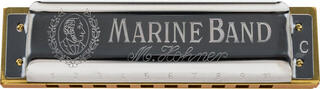
The marking 10H C generally means a ten-hole diatonic harmonica in the key of C. With standard Richter tuning, each hole produces different notes when blowing and drawing. This layout supports melodies, chordal accompaniment and bending selected notes, which is why the format is closely associated with the blues harp.
C is a practical starting point for learning, not the answer for every song. Depending on the repertoire, players also use harmonicas in A, D, G, Bb or F. When playing with a guitarist or a full band, choose the key according to the song and the position you intend to use; the genre name alone is not enough.
Figures such as 20, 24 or 48 holes can refer to instruments with a different construction and tuning system. A higher number does not automatically mean a wider range or a better choice. Always check the harmonica type, tuning system and intended use.
Diatonic, chromatic or tremolo?
The difference goes beyond shape or hole count. Each type organises notes differently and supports a different approach to playing.
| Harmonica type | Who it suits | Typical use |
|---|---|---|
| Diatonic harmonica | Beginners, blues or rock players, folk and country musicians | Bending, riffs, simple melodies and playing with guitar |
| Chromatic harmonica | Players who need semitones and broader melodic options | Jazz, classical music and precise melodic playing with a slide |
| Tremolo harmonica | Players looking for a wavering, fuller tonal character | Folk music, traditional melodies and accompaniment |
For blues, rock lines, country or simple songs with guitar, the diatonic type is the most direct option. A chromatic harmonica makes more sense if you want to play semitones with a slide without changing instruments. Tremolo mainly appeals to players who enjoy the distinctive wavering sound created by paired reeds.
Response, comb material and comfort
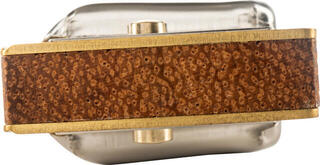
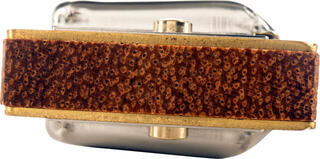
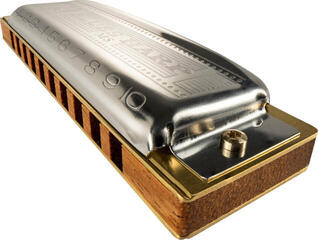
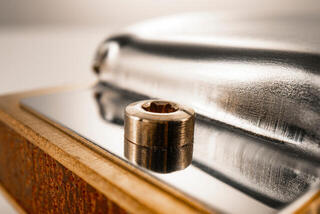
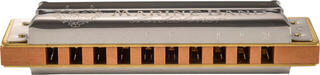
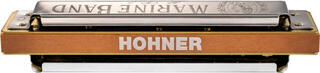
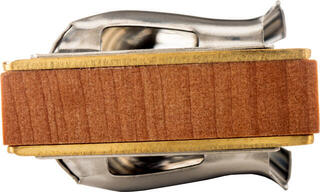
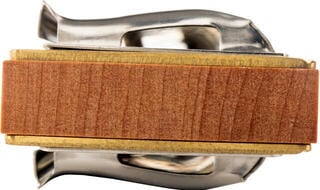
Reeds, airtightness, covers and comb material all affect how the instrument feels. A plastic comb is easy to maintain and does not change dimensions through moisture in normal use. Wood provides a traditional feel in contact with the instrument, but treatment and care vary between models. Metal combs tend to feel solid and different in the hands; the material alone does not determine quality without considering the rest of the construction.
For regular playing, look at rounded edges, comfort on the lips, airtightness and how easily notes sound with gentler and stronger breath. Good airtightness makes it easier to control dynamics and bend notes. A harmonica should not demand unnecessarily forceful blowing, as excessive pressure reduces control and can put strain on the reeds.
Brands and model ranges
Brands represented in this category include Hohner, Cascha, Seydel, Suzuki Music and Fender. Their ranges differ in tuning, comb material, cover shape, response and service options. A brand name is therefore no substitute for comparing the features of a particular model.
For a first purchase, choose one manageable harmonica in the key you will use for practice. Add other keys as your repertoire develops. More experienced players can also compare the firmness of the response, comfort while bending, availability of replacement reeds and whether the instrument can be dismantled for maintenance.
Accessories and care
Harmonica cases protect the instrument from dust and mechanical damage in transit. If you sing or play guitar, harmonica holders are a useful accessory. Before buying a holder, check its adjustment range, stability and compatibility with the size of your instrument.
After playing, gently tap out excess moisture and let the harmonica dry according to the manufacturer's instructions. Do not put it into a case while wet. For more thorough cleaning, respect the comb material and construction of the particular model; a method suitable for plastic may not be appropriate for wood. For hygiene reasons, do not share your harmonica with other players.
What to check before buying
- Consider a ten-hole diatonic harmonica in C for your first lessons.
- For specific songs, match the key to the repertoire and playing position.
- For blues and rock, check response, airtightness and suitability for bending.
- For regular playing, compare comb material, lip comfort and cover shape.
- Start with one model and add further keys according to what you actually play.
- Add a case for transport and consider a neck rack when playing guitar or singing.
- Check the cleaning method and availability of replacement parts for the model.