Albania
 Argentina
 Australia
 Austria
 Belgium
 Bosnia and Herzegovina
 Brazil
 Bulgaria
 Canada
 Chile
 Colombia
 Croatia
 Czech Republic
 Denmark
 Estonia
 Finland
 France
 Germany
 Greece
 Hungary
 Ireland
 Italy
 Latvia
 Lithuania
 Luxembourg
 Mexico
 Moldova
 Montenegro
 Netherlands
 New Zealand
 North Macedonia
 Norway
 Philippines
 Poland
 Portugal
 Romania
 Serbia
 Slovakia
 Slovenia
 South Africa
 Spain
 Sweden
 Switzerland
 Turkey
 Ukraine
 United Kingdom
 United States of America


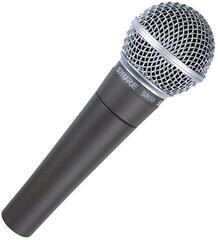
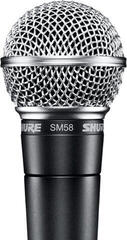
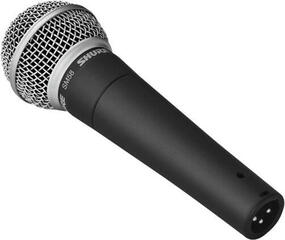
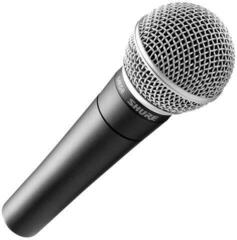
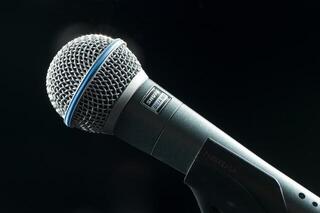
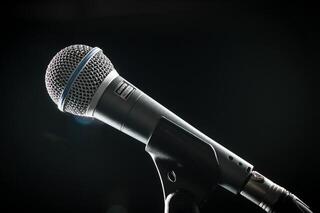
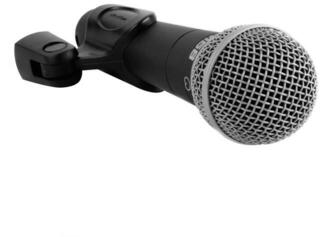
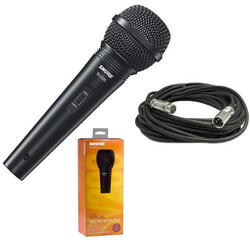
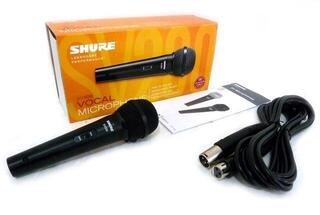
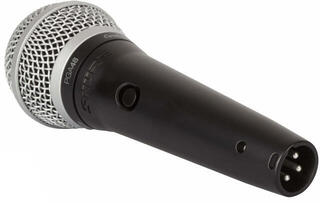
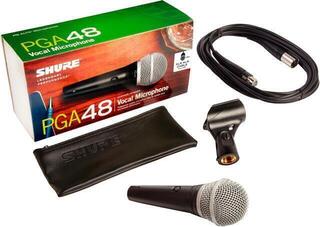
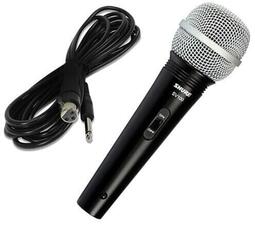
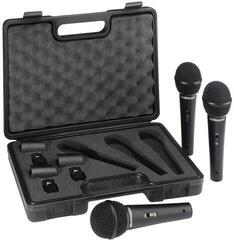
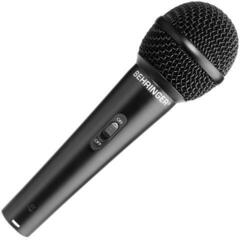
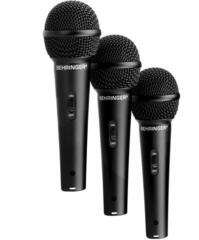
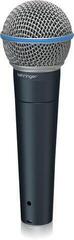
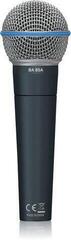
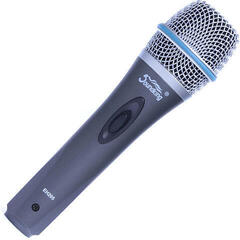
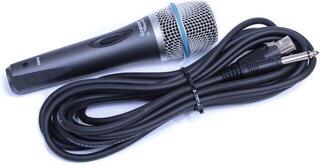
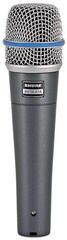
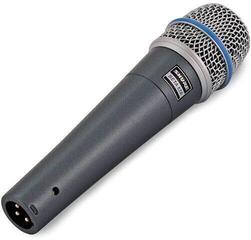
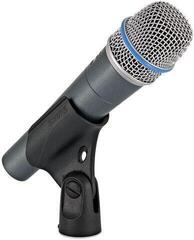
Dynamic Microphones
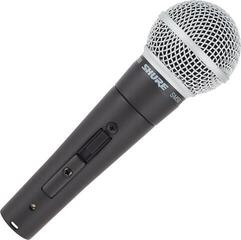
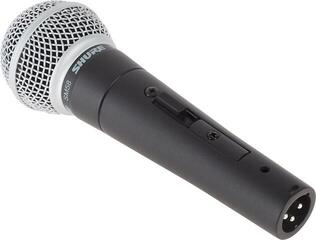
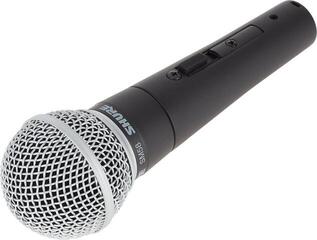
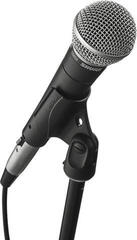
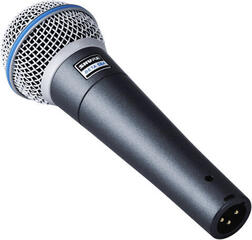
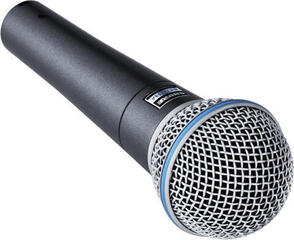
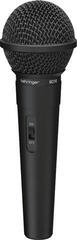
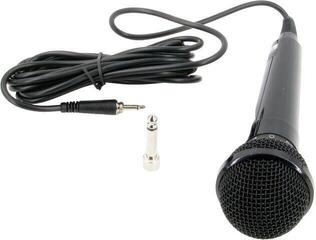
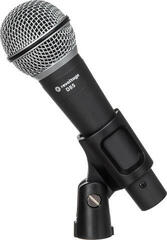
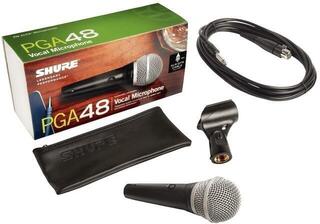
Dynamic microphones are a practical choice when you need to capture a voice or a loud instrument reliably without picking up unnecessary background noise. Their durable construction, directionality and ability to handle high volumes make them suitable for the stage, rehearsal rooms and recording guitar amps or drums at home. Choose mainly according to whether you will hold the microphone, use it on a stand, position it by an instrument or wear it on your body.
What are dynamic microphones suited to?
A dynamic microphone can handle a loud sound source and is usually placed close to it, so it picks up less room reverberation than a studio condenser microphone positioned further away. You will appreciate this for live vocals, spoken word on stage, drums and guitar cabinets, as well as in spaces where the acoustics are less than ideal. If you want to capture fine details in a quiet studio, take a look at condenser microphones instead.
Which type should you choose?
| Type | Particularly suited to | What to look for |
|---|---|---|
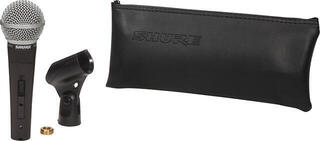
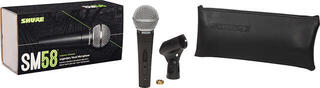
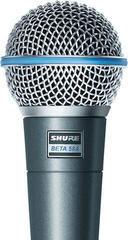
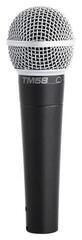
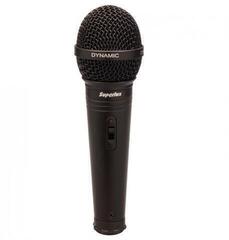
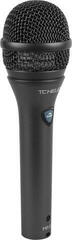
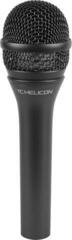
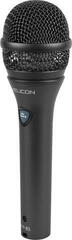
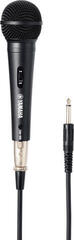
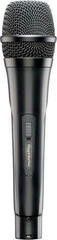
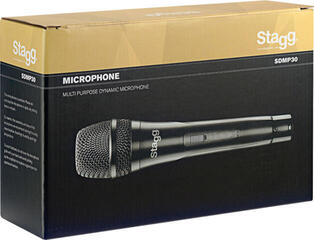
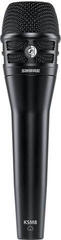
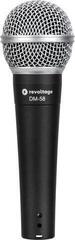
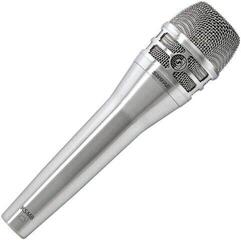
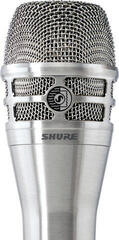
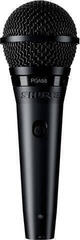
| Dynamic vocal microphones | Live singing and spoken word with a handheld microphone | Directionality, handling noise and durability |
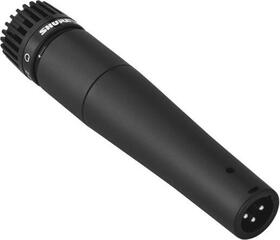
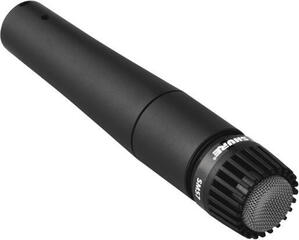
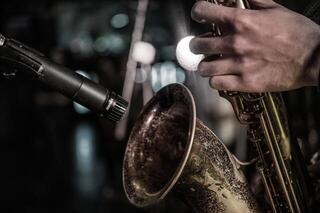
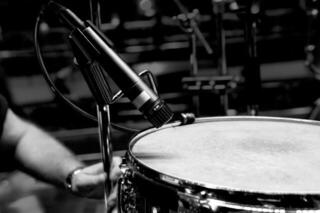
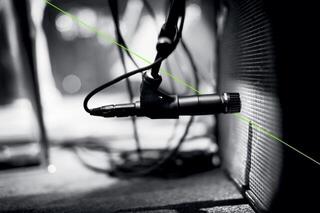
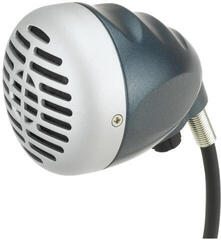
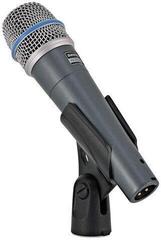
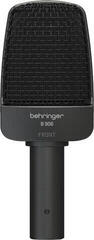
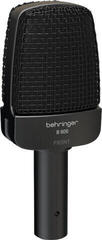
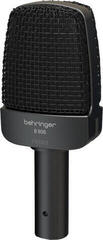
| Dynamic instrument microphones | Drums, guitar amps and wind instruments | Ability to handle high sound pressure levels and allow precise aiming |
| Dynamic headworn microphones | Moving around the stage and keeping your hands free | Wearing comfort and secure mounting |
| Dynamic lavalier microphones | Speech, lectures and presenting | Attachment to clothing and cable routing |
Singing and live performances
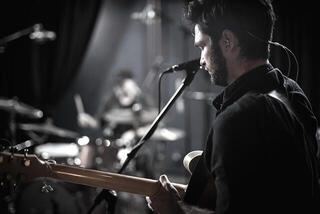
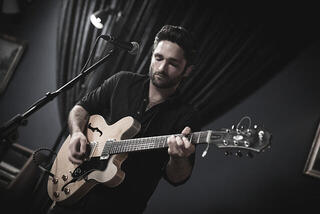
On stage, focus mainly on the polar pattern, resistance to handling noise and feedback behaviour. For singers, look for models that are comfortable to hold, handle close miking and help keep the voice intelligible even with a loud band.
Instruments and high SPL
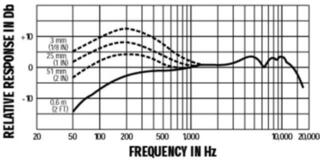
For drums, wind instruments or guitar amps, the microphone needs to handle high sound pressure levels and allow you to aim it precisely at the source. These models often have a shape and frequency response tailored to close miking.
What to check before choosing
- Intended use: singing, instruments, speech, interviews or moving around on stage.
- Directionality: a cardioid pattern helps reduce noise from the sides and the back of the stage.
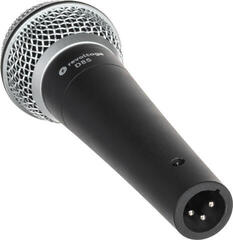
- Connection: most models use XLR, so plan on using a mixing console, recorder or sound card.
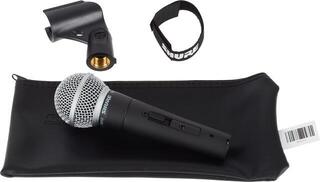
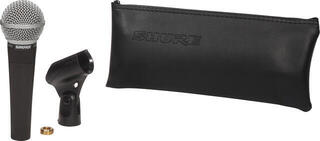
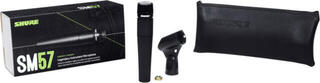
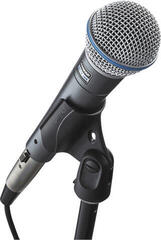
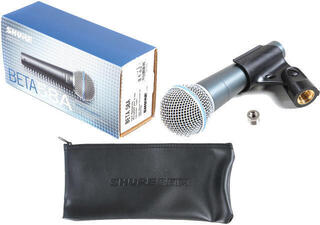
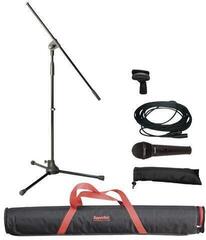
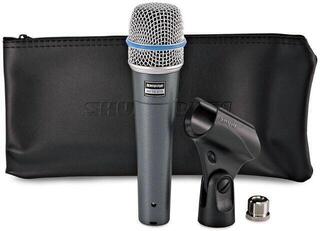
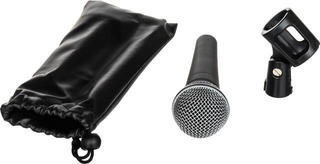
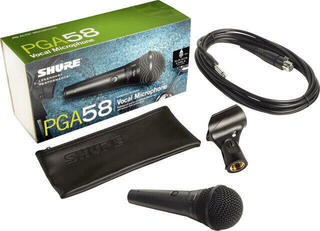
- Mounting and accessories: the stand, holder and cable should suit the way you intend to use the microphone.