Albania
 Argentina
 Australia
 Austria
 Belgium
 Bosnia and Herzegovina
 Brazil
 Bulgaria
 Canada
 Chile
 Colombia
 Croatia
 Czech Republic
 Denmark
 Estonia
 Finland
 France
 Germany
 Greece
 Hungary
 Ireland
 Italy
 Latvia
 Lithuania
 Luxembourg
 Mexico
 Moldova
 Montenegro
 Netherlands
 New Zealand
 North Macedonia
 Norway
 Philippines
 Poland
 Portugal
 Romania
 Serbia
 Slovakia
 Slovenia
 South Africa
 Spain
 Sweden
 Switzerland
 Turkey
 Ukraine
 United Kingdom
 United States of America



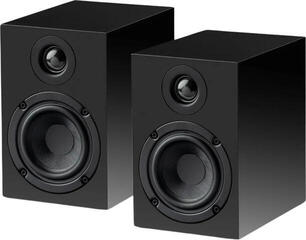
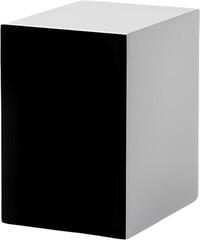
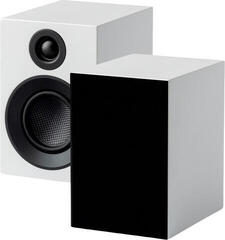
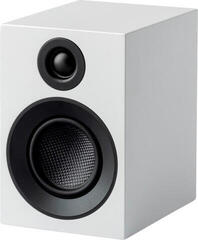
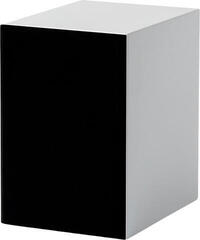
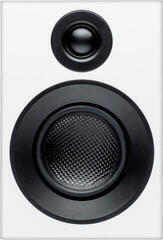
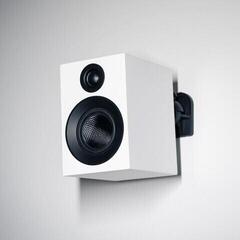
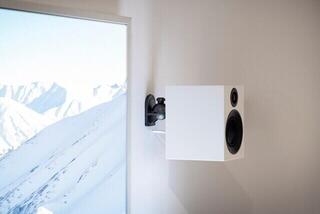
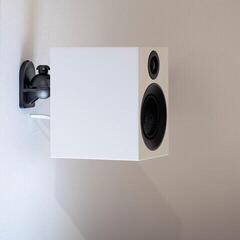
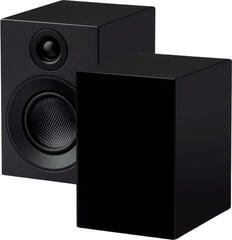
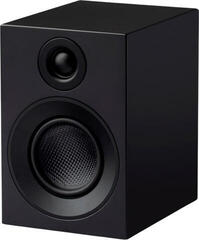
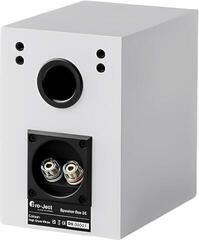
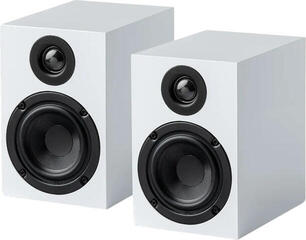
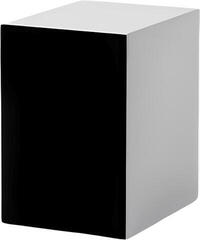
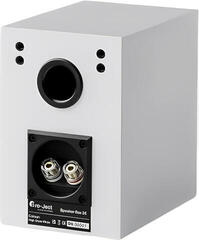
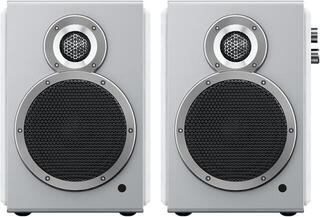
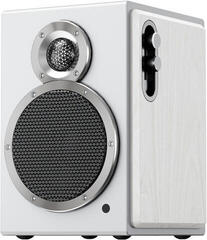
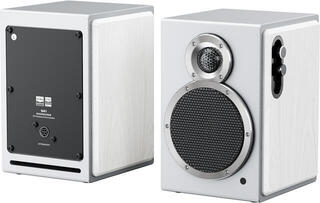
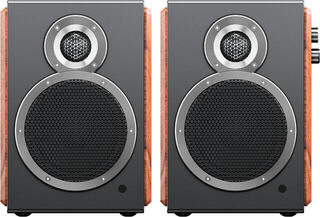
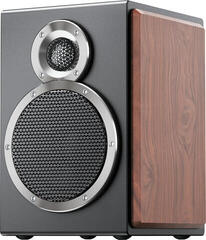
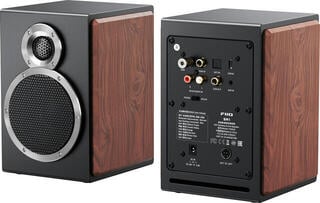
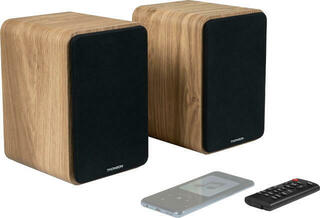
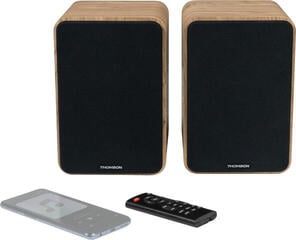
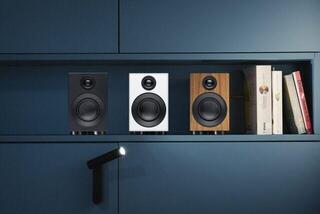
Hi-Fi Bookshelf speakers
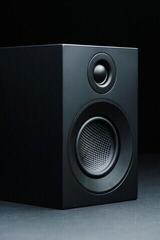
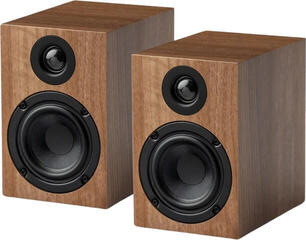
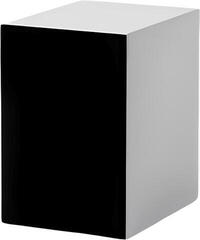
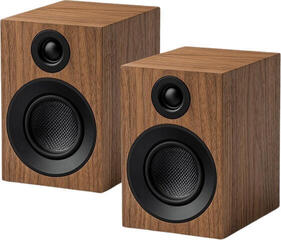
Hi-Fi bookshelf speakers are a compact choice for listening to music in rooms where you want to make sensible use of the available space. You can place them on separate stands or suitable furniture, but their positioning needs to account for stability, listening height, and distance from the walls. When choosing, consider the amplifier's characteristics, the size of the room, and the available placement options. After all, the term “bookshelf” does not mean that every model belongs directly on a shelf.
Hi-Fi bookshelf speakers and their placement
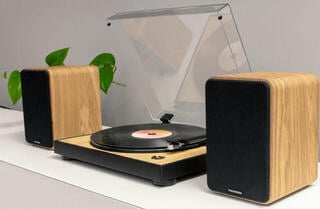
Bookshelf speakers have smaller cabinets than most floorstanding models, making them easier to integrate into a living room, study, or smaller listening room. Their compact dimensions do not, however, change the basic requirement for correct placement. The left and right speakers should have comparable conditions, rather than one standing in open space and the other close to a side wall or inside an enclosed shelf.
A good starting point is a pair of rigid stands on a stable surface. Their height should place the tweeter at approximately ear level in your usual listening position, unless the manufacturer of the specific model recommends otherwise. The stand's top plate should suit the speaker's footprint and support it securely. It is also important to route the cables so that they cannot be caught accidentally and do not compromise stability.
If you use furniture, choose a firm surface that does not wobble and leave space around the speaker as instructed by the manufacturer. Placing it deep inside a cabinet can affect the result more than positioning it on an open stand. Do not place the speakers on the same surface as objects that may resonate, and do not obstruct their front or rear.
Distance from walls and placement in the room
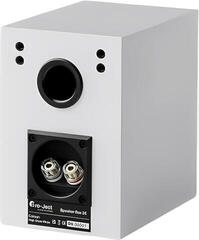
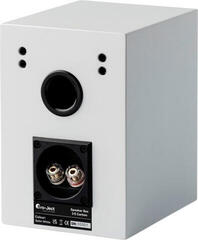
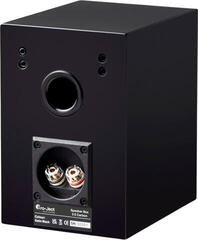
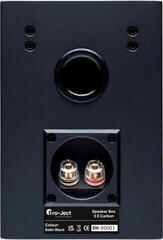
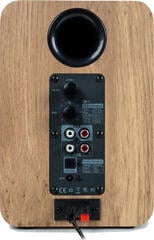
The distance from the rear and side walls affects how the speaker interacts with the room. There is no single universal value for every model: the appropriate clearance depends on the speaker's design, the location of its bass reflex port, the room layout, and the manufacturer's recommendations. A rear bass reflex port generally requires particular attention because immediate proximity to a wall can alter the character of low frequencies.
Start with a symmetrical arrangement and do not push the speakers against the wall unless the instructions expressly permit it. Then move them in small increments, listening from the same position after each change. Pay particular attention to clarity, balance between the channels, and whether the position creates unwanted resonances. Choose how much to angle them towards the listening position according to the manufacturer's recommendations and the conditions in the room.
Leave clear space between the two speakers and do not put tall objects in front of them. The listening position does not have to be directly against the rear wall; if possible, try several positions. Curtains, carpets, shelves, and upholstered furniture all contribute to room acoustics, so the same speakers may behave differently in different rooms.
Amplifier compatibility
Before connecting the speakers, compare the information provided by their manufacturer with the amplifier's specifications. The speaker's nominal impedance and the load range for which the amplifier is designed are particularly important. Do not choose based on a single power figure alone: measurement methods and conditions may differ between products. If you are unsure which connection is permitted, follow the instructions for both devices.
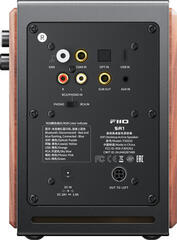
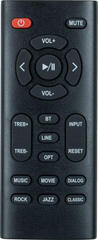
Passive bookshelf speakers require a separate amplifier and speaker cables. Active models have built-in amplification, so the main considerations are the availability of suitable inputs and how the volume is controlled. Before choosing, therefore, check which group the specific model belongs to. You can find related components in the Hi-Fi amplifiers and preamplifiers category, Hi-Fi systems provide a broader overview of setups, and other design types include Hi-Fi speakers.
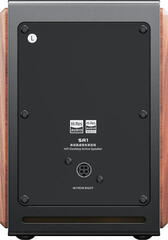
Also check the type and number of connectors. With conventional wiring, maintain the same polarity on both channels and connect the devices while they are switched off. If the speaker has multiple pairs of terminals, select the connection method according to its documentation and leave the appropriate jumpers in place where required.
Bookshelf versus floorstanding speakers
| Area of comparison | Bookshelf speakers | Floorstanding speakers |
|---|---|---|
| Placement | They require a sturdy shelf, suitable furniture, or an appropriate stand. | They stand directly on the floor and need clear space around their base. |
| Space requirements | They have more compact cabinets but still require clearance from walls. | They occupy more vertical space, and their position is often constrained by the room's floor plan. |
| Listening height | The correct height is set using a stand or their position on furniture. | The height is determined by the speaker's design; it is mainly the listening position that is adjusted. |
| Stability | The speaker and stand need to be assessed as a single unit. | The base, feet, and levelness of the floor need to be checked. |
| Changing the arrangement | Moving them can be convenient, but also involves the stands and cabling. | Moving them requires consideration of the larger cabinet and the floor space needed. |
| Suitability of the choice | The available area, method of support, and system compatibility are decisive. | The available floor space, room layout, and system compatibility are decisive. |
What to check before choosing
- Measure the space for both the left and right speakers, including the room required for stands, connectors, and cable routing.
- Check the recommended clearance of the specific model from the rear and side walls.
- Find out whether the speaker is passive or active and what connection it requires.
- Compare the speakers' impedance with the load supported by the amplifier.
- Check the terminal type, required cables, and how to maintain correct polarity.
- Assess the stand height in relation to your usual listening position.
- Check the load capacity and stability of the stand or furniture, including the floor conditions.
- Consider the symmetry of the arrangement and any obstacles between the speakers and listening position.
- Read the manufacturer's instructions on orientation, angling, ventilation, and connection.
Stands, safety, and everyday use
Choose a stand as a functional part of the placement, not merely as an accessory. It must safely support the specific speaker and stand level on the given surface. Adapt the method of floor contact to the flooring and the manufacturer's instructions so that the setup neither wobbles nor damages the surface. In homes with children or pets, pay particular attention to the risk of tipping and to loose cables.
After connecting everything, start at a low volume and check that both channels are playing and the cables are firmly secured. Keep the amplifier's ventilation openings clear, and do not place liquids or objects that could fall on the speakers. Fine-tune the final position only after confirming safety, compatibility, and convenient access to all devices.