Albania
 Argentina
 Australia
 Austria
 Belgium
 Bosnia and Herzegovina
 Brazil
 Bulgaria
 Canada
 Chile
 Colombia
 Croatia
 Czech Republic
 Denmark
 Estonia
 Finland
 France
 Germany
 Greece
 Hungary
 Ireland
 Italy
 Latvia
 Lithuania
 Luxembourg
 Mexico
 Moldova
 Montenegro
 Netherlands
 New Zealand
 North Macedonia
 Norway
 Philippines
 Poland
 Portugal
 Romania
 Serbia
 Slovakia
 Slovenia
 South Africa
 Spain
 Sweden
 Switzerland
 Turkey
 Ukraine
 United Kingdom
 United States of America


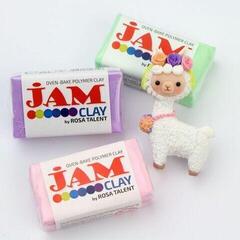
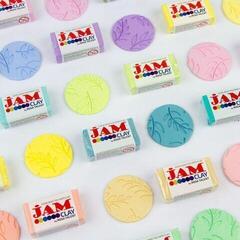
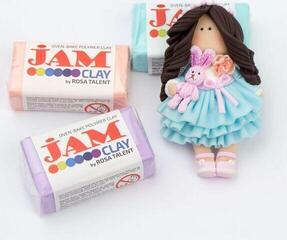
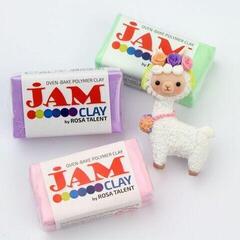
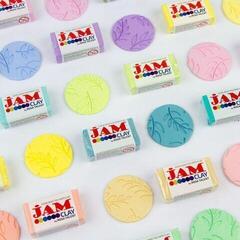
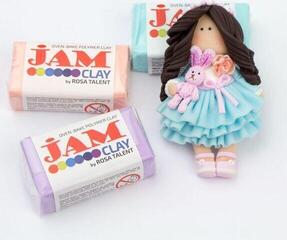
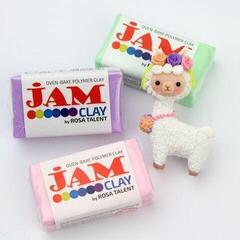
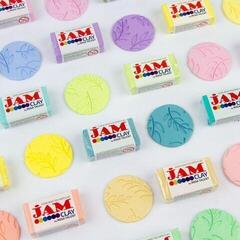
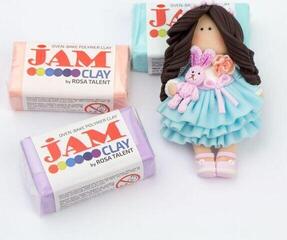
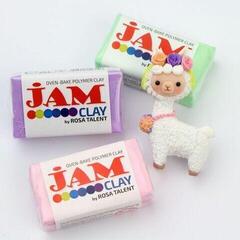
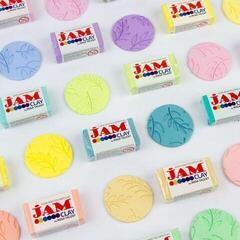
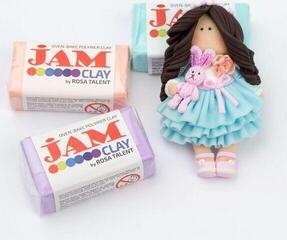
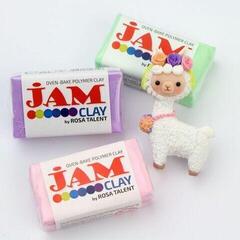
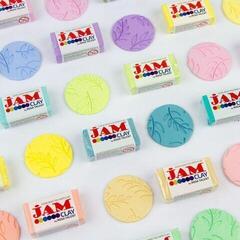
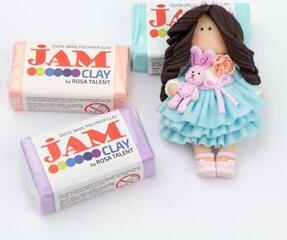
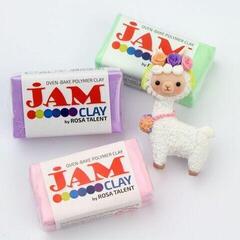
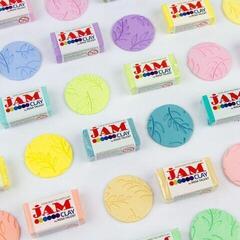
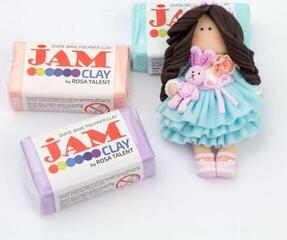
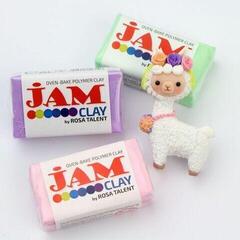
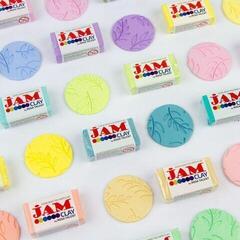
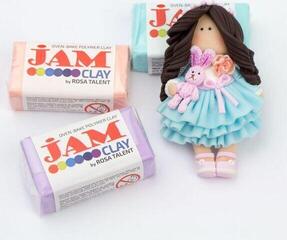
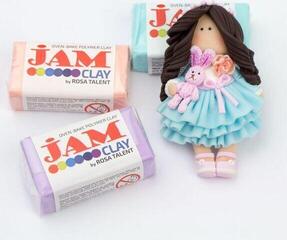
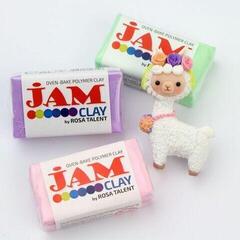
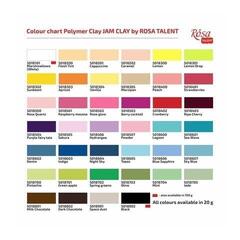
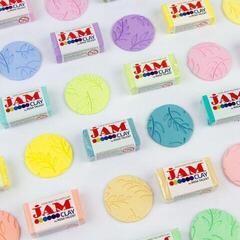
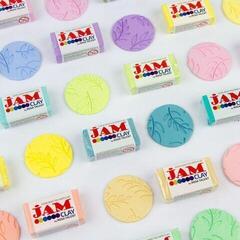
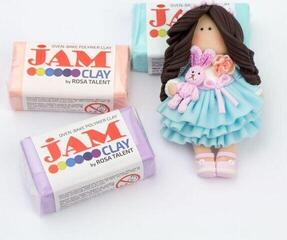
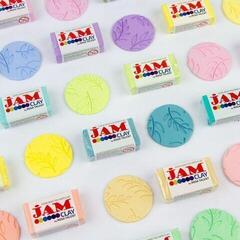
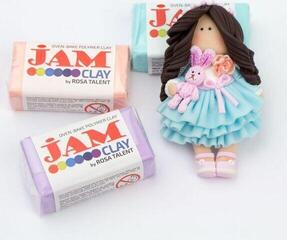
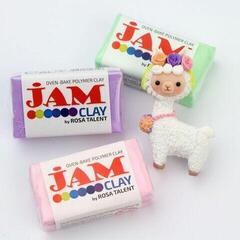
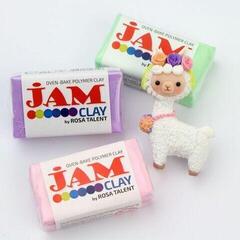
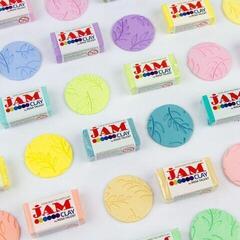
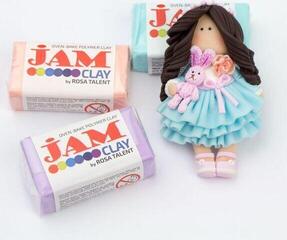
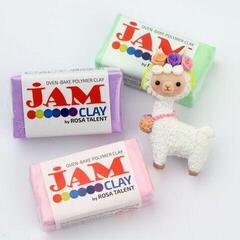
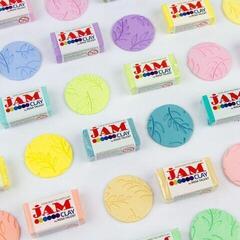
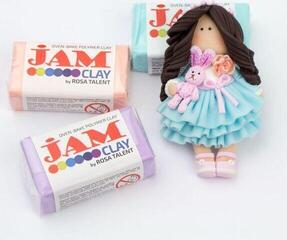
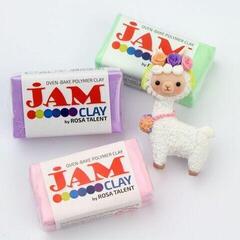
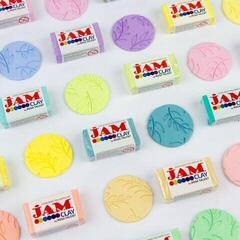
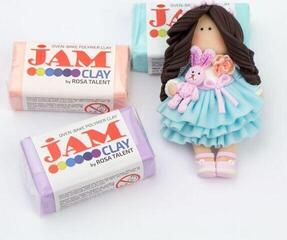
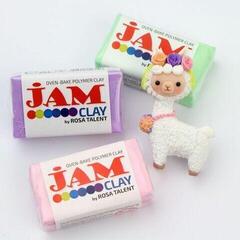
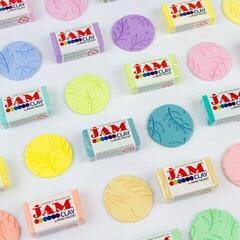
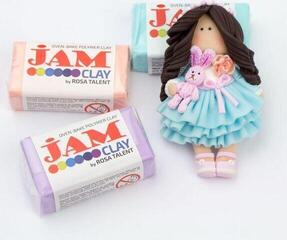
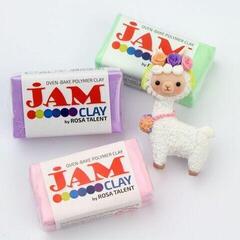
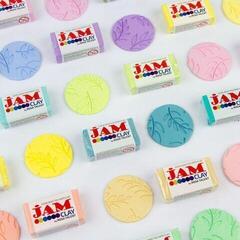
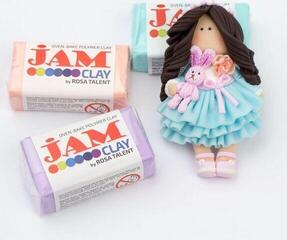
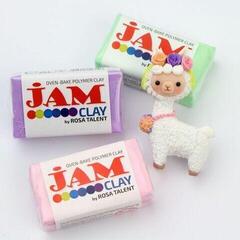
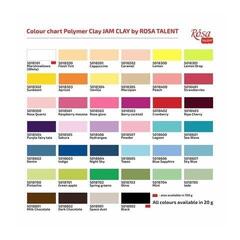
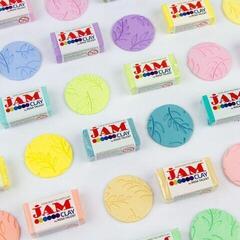
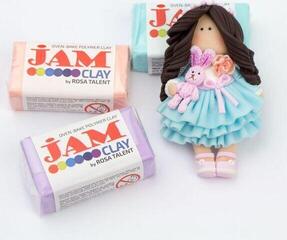
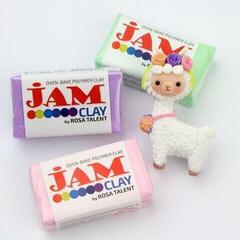
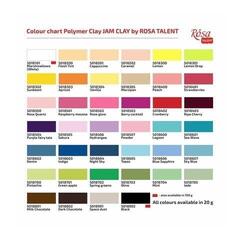
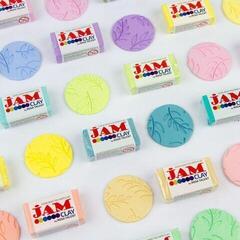
Polymer Clays
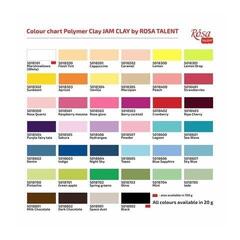
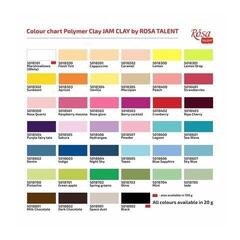
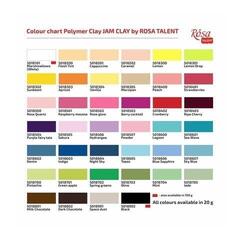
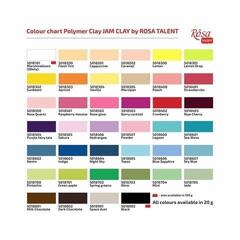
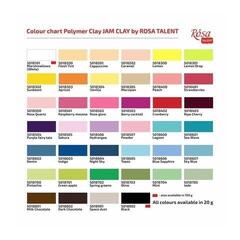
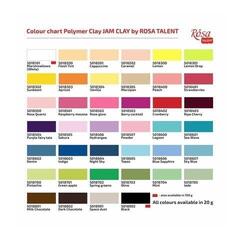
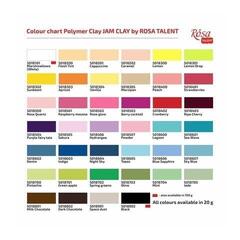
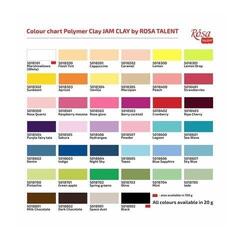
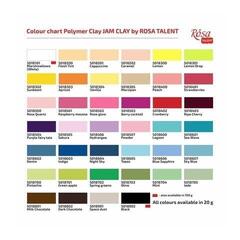
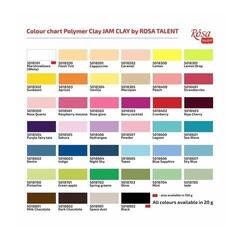
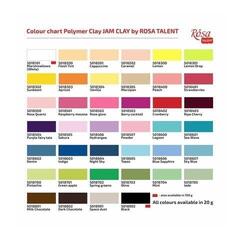
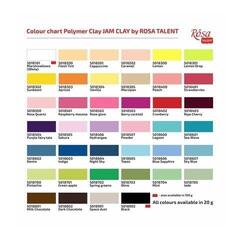
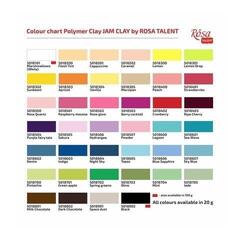
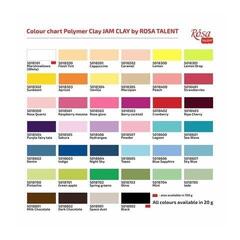
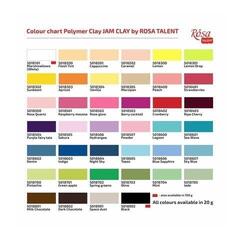
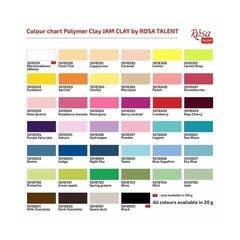
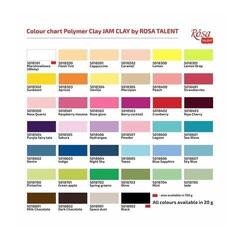
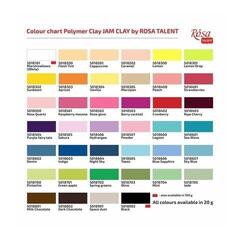
Polymer clay is modeled at room temperature and hardened through heat treatment. The exact time, temperature, and maximum thickness vary by product, so they cannot be replaced with one general figure. Softness during conditioning, strength after curing, and the compatibility of colors or effect clays are also important. Process a small sample before starting the entire project.
Conditioning prepares the clay for shaping
Gradually fold, roll, or work the material through a machine intended for this purpose until it is even and has no crumbly edges. Clay that is too soft loses detail, while clay that is too firm may tear when bent. Mix colors in small proportions and record the formula if you need to reproduce the same shade. Clean the work surface and tools when switching between light and dark colors.
The thickness of the piece affects curing
Large solid shapes may require an internal core or another construction permitted by the manufacturer. Thin parts overheat more easily and may remain more brittle after curing. Join individual parts using a method recommended for the specific clay; not every liquid clay, adhesive, or varnish is mutually compatible.
- Softer clay: faster conditioning, less support for fine details.
- Firmer clay: more precise shapes, more work before modeling.
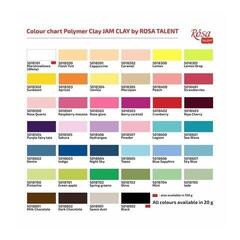
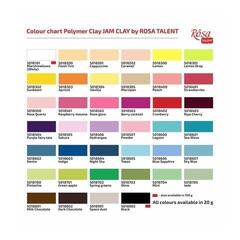
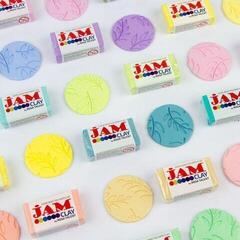
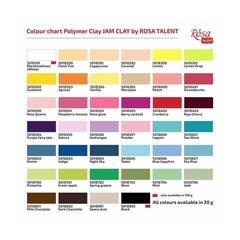
- Effect clay: a decorative appearance that should be tested with a small sample.
Bake only according to the packaging
- Check the range name, recommended temperature, time, and thickness range.
- Use a separate oven-safe thermometer if you need to monitor the actual temperature.
- Place the piece on a support recommended for polymer clay and protect it from direct contact with the heating element.
- If you notice an odor, smoke, or discoloration, stop the process, ventilate the room, and check the manufacturer's instructions.
Do not heat polymer clay in a microwave unless the specific manufacturer explicitly provides a safe procedure. After curing, let the piece cool before sanding or further handling.
Tools and surface finishing
Use tools reserved for crafting, rather than subsequent food preparation, for rolling, cutting, and texturing. Sand under conditions recommended by the manufacturer and do not inhale the dust. Apply varnish only after checking compatibility; an unsuitable coating may remain sticky. Related materials are grouped in the Modeling Compounds category.