Albania
 Argentina
 Australia
 Austria
 Belgium
 Bosnia and Herzegovina
 Brazil
 Bulgaria
 Canada
 Chile
 Colombia
 Croatia
 Czech Republic
 Denmark
 Estonia
 Finland
 France
 Germany
 Greece
 Hungary
 Ireland
 Italy
 Latvia
 Lithuania
 Luxembourg
 Mexico
 Moldova
 Montenegro
 Netherlands
 New Zealand
 North Macedonia
 Norway
 Philippines
 Poland
 Portugal
 Romania
 Serbia
 Slovakia
 Slovenia
 South Africa
 Spain
 Sweden
 Switzerland
 Turkey
 Ukraine
 United Kingdom
 United States of America


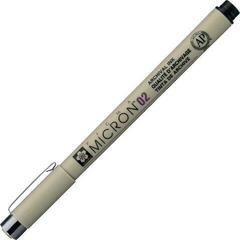
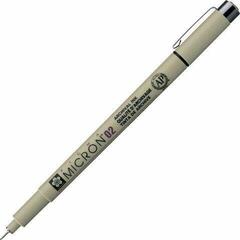
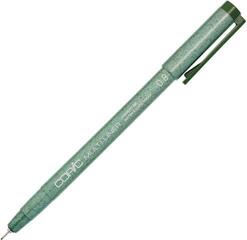
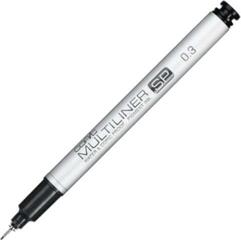
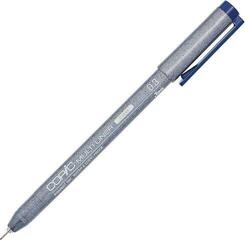
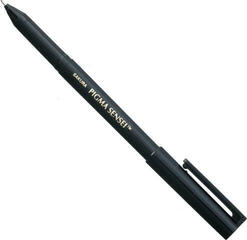
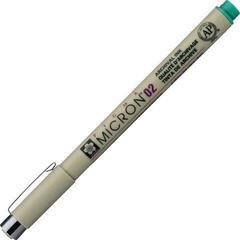
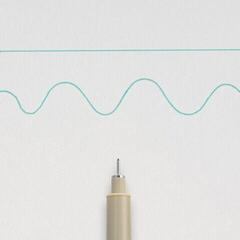
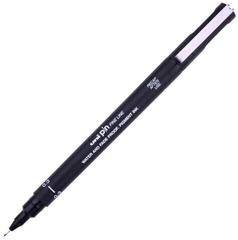
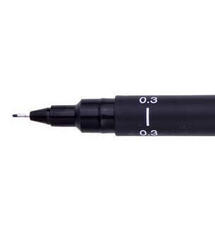
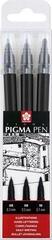
Technical Pens, 0,3 mm
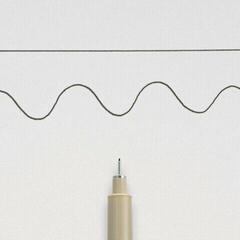
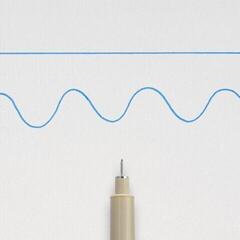
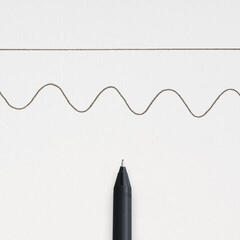
A technical pen draws an even line of a precisely defined width. It is used for hatching, architectural sketching, comics, and illustration where the distinction between details and the main outline must remain clear. Tip width, ink properties, and paper determine the choice. Heavy pressure generally does not improve the line; it only damages the fine tip.
Assign widths by function
Use the finest pen for construction lines, texture, and small details. A medium width is suitable for general drawing and internal contours. A thicker tip emphasizes the silhouette, frame, or foreground. If you are buying a set, check whether it contains intervals you can actually distinguish at your intended format; related Technical Pen Sets make it easier to maintain a consistent range.
- Fine width: texture, hatching, and small details.
- Medium width: main drawing and internal outlines.
- Thick width: silhouette, foreground, and framing.
Ink and subsequent wet techniques
If you want to apply watercolor or another water-based layer over the drawing, check the ink's resistance after it has dried completely. Test the claim on the packaging using the same paper, because drying time changes with absorbency. For drawings without another layer, a rich tone and smooth flow may be more important than water resistance.
The paper must not damage the tip
A rough surface wears down very fine technical pens and causes broken lines. Highly absorbent paper may make the ink feather. Hold the pen at a slight angle without heavy pressure and draw long straight lines smoothly using your forearm. Smoother drawing paper helps with precise detail, but it must also withstand the planned layering.
Build up hatching gradually
- First determine the direction of light and the areas that should remain white.
- Draw the first layer of lines in the same direction and with similar spacing.
- Darken an area with an additional direction rather than stronger pressure.
- Add the main outline only after checking the internal details.
You can find more drawing tools in the Drawing category; Pencils may be more suitable for softer tonal work.
The cap protects the fine tip
Cap the pen immediately after use and do not remove dried ink from the tip with a rough object. Store it according to the manufacturer's recommendation, especially if it has a dual-ended body. If the tip begins to skip, first scribble on test paper; increased pressure may worsen the damage.