Albania
 Argentina
 Australia
 Austria
 Belgium
 Bosnia and Herzegovina
 Brazil
 Bulgaria
 Canada
 Chile
 Colombia
 Croatia
 Czech Republic
 Denmark
 Estonia
 Finland
 France
 Germany
 Greece
 Hungary
 Ireland
 Italy
 Latvia
 Lithuania
 Luxembourg
 Mexico
 Moldova
 Montenegro
 Netherlands
 New Zealand
 North Macedonia
 Norway
 Philippines
 Poland
 Portugal
 Romania
 Serbia
 Slovakia
 Slovenia
 South Africa
 Spain
 Sweden
 Switzerland
 Turkey
 Ukraine
 United Kingdom
 United States of America



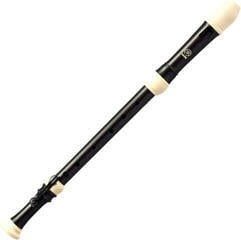
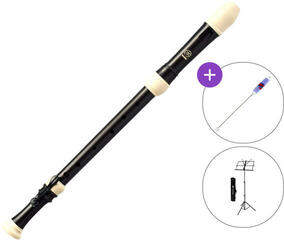
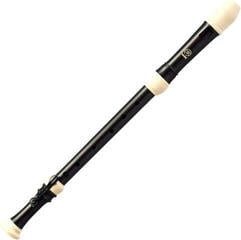
Tenor Recorders
The tenor recorder sounds in C, one octave lower than the soprano, and carries a warm, lyrical middle voice in an ensemble. Its greater length brings wider spacing between the holes, more weight and greater air consumption. Before buying, you should check your little finger's reach, your thumb position and whether you need keys.
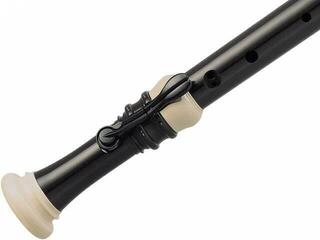
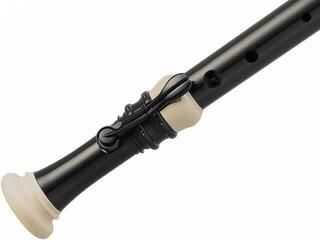
Keys help your hands, not your breath technique
One or more keys can make the lower holes accessible if you have a smaller hand span. The mechanism must be quiet and the pads airtight. On keyless models, try closing all the holes without shifting your palm; leaking air particularly spoils the lowest notes.
Curved crook and support
Some tenors have an angled head joint that reduces the reach and changes the playing angle. A thumb rest or strap reduces strain if it does not restrict your fingers. Extended playing must not cause cramp in your right thumb.
Its place in the recorder consort
The tenor complements the soprano recorder and alto with a lower voice, but reads in C. You can find an overview of other sizes among recorders. For chamber music, consider the intonation of the entire ensemble and use the same fingering system.
Condensation affects extended playing
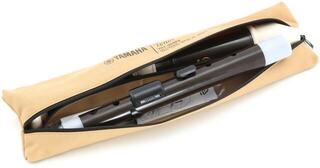
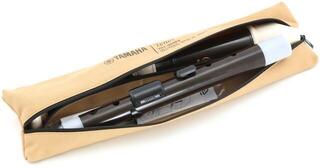
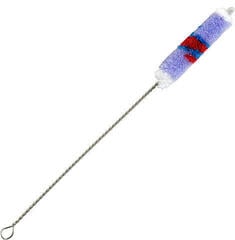
The larger body collects more moisture. After practising, take the sections apart and clean them with a long pull-through swab. Let a wooden tenor dry thoroughly before storing it and treat the joints only with suitable grease.
Test your reach to every hole, assess the strain on your right thumb and choose keys or an angled head joint if necessary.