Albania
 Argentina
 Australia
 Austria
 Belgium
 Bosnia and Herzegovina
 Brazil
 Bulgaria
 Canada
 Chile
 Colombia
 Croatia
 Czech Republic
 Denmark
 Estonia
 Finland
 France
 Germany
 Greece
 Hungary
 Ireland
 Italy
 Latvia
 Lithuania
 Luxembourg
 Mexico
 Moldova
 Montenegro
 Netherlands
 New Zealand
 North Macedonia
 Norway
 Philippines
 Poland
 Portugal
 Romania
 Serbia
 Slovakia
 Slovenia
 South Africa
 Spain
 Sweden
 Switzerland
 Turkey
 Ukraine
 United Kingdom
 United States of America


Tie-Dye & Batik Dyes
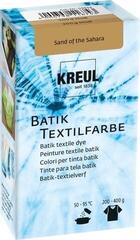
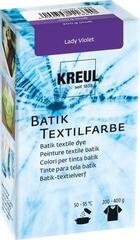
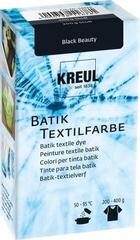
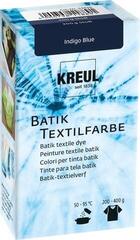
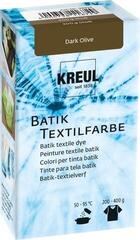
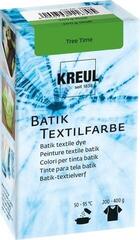
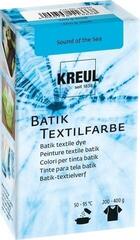
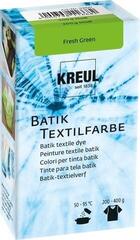
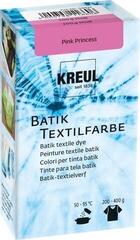
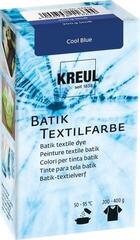
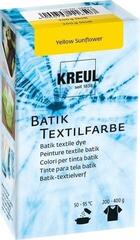
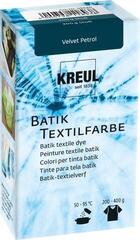
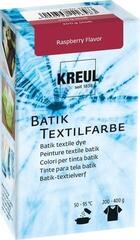
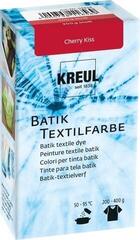
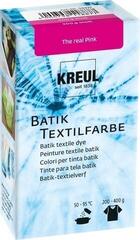
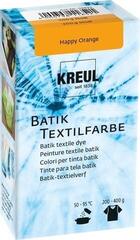
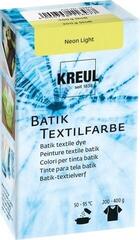
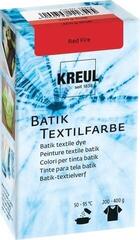
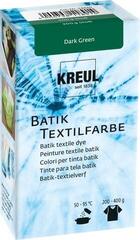
Tie-dye and batik dyes are powder dyes you use to colour fabric in hot water and create a batik pattern on it. Here you'll find Kreul Batik dyes in shades such as indigo blue, black, purple, pink, sand and sunflower yellow. They work well on T-shirts, bags, cushion covers, tablecloths and scarves. The dyeing salt is already in the bottle, so you just dissolve the powder in water and immerse the fabric in it. You'll find more paints and supplies for crafting on fabric in the painting on textile category.
How do you dye fabric with Kreul Batik?
Kreul Batik dyes in hot water at 50 to 95 °C, in a bucket or in a pot on the stove. A full 70 g bottle gives a deep shade on 200 g of fabric or a medium shade on 400 g of fabric. With the shibori technique, also known as tie-dye, you bind the fabric with rubber bands or string, fold it or knot it before dyeing, and the tied areas stay lighter. With dip-dye, you immerse only part of the fabric and let the dye soak in, which creates an uneven coloured edge. For wax batik, you apply liquid wax to white fabric, dye the fabric and iron the wax out once it has dried, which reveals a white pattern.
Can I re-dye a whole T-shirt?
Yes. If you don't tie the item and submerge it completely in the dye, it takes the colour across the whole surface, so you can re-dye a faded T-shirt, scarf or pillowcase and bring vivid colour back to your old things. Weigh the item before dyeing: for a deep shade, allow one 70 g bottle for every 200 g of fabric; for a medium shade, one bottle covers 400 g. The water must be at least 50 °C, so you dye in a pot or bucket of hot water. Check the care label to make sure the item is made of a material from the manufacturer's list below.
Which fabrics are tie-dye and batik dyes suitable for?
According to the manufacturer, they dye cotton, linen, half-linen, viscose, silk, wool and polyamide. Dyed fabric does not withstand boiling. Colourfastness and wash resistance improve with the Kreul fixative for batik dyes, which is sold separately. Wash batik items separately from other laundry at no more than 40 °C. The dye is vegan.
What's the difference between batik dye and textile paint?
Batik dye is a true dye: you soak the fabric in it and the colour penetrates the fibres, so it colours the whole item or every area you leave untied. You apply textile paints with a brush, stencil or stamp and use them to paint a design on the surface of the fabric. If you want to re-dye an old T-shirt or create a tie-dye pattern, choose batik dye. If you want to paint a picture or lettering on a T-shirt, reach for textile paints.