Albania
 Argentina
 Australia
 Austria
 Belgium
 Bosnia and Herzegovina
 Brazil
 Bulgaria
 Canada
 Chile
 Colombia
 Croatia
 Czech Republic
 Denmark
 Estonia
 Finland
 France
 Germany
 Greece
 Hungary
 Ireland
 Italy
 Latvia
 Lithuania
 Luxembourg
 Mexico
 Moldova
 Montenegro
 Netherlands
 New Zealand
 North Macedonia
 Norway
 Philippines
 Poland
 Portugal
 Romania
 Serbia
 Slovakia
 Slovenia
 South Africa
 Spain
 Sweden
 Switzerland
 Turkey
 Ukraine
 United Kingdom
 United States of America


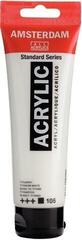
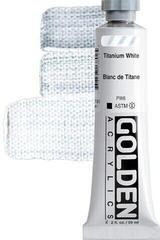
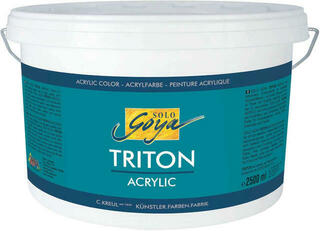
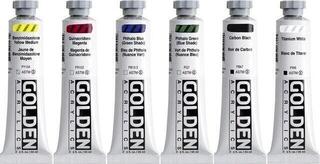
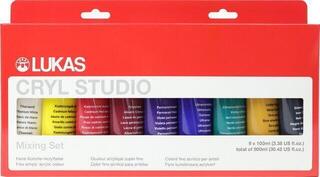
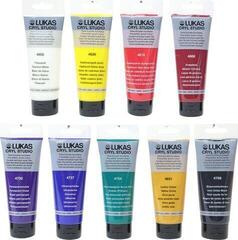
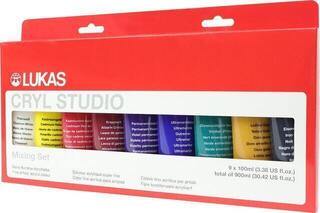
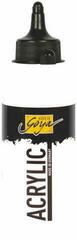
Acrylic Paints
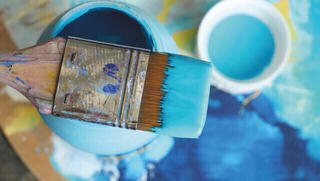
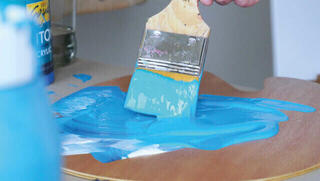
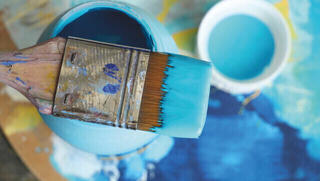
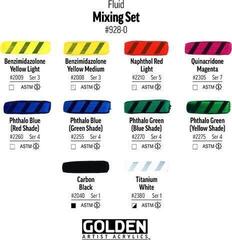
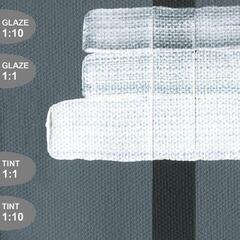
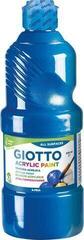
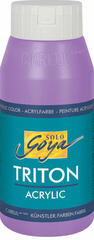
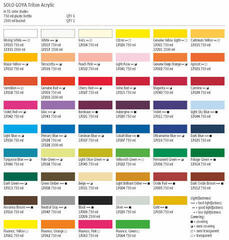
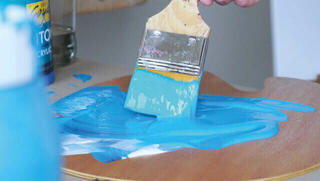
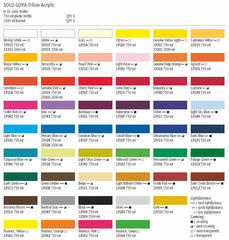
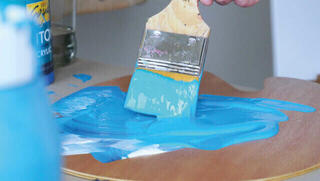
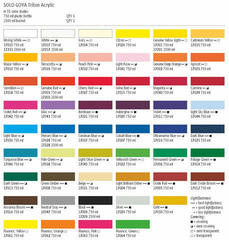
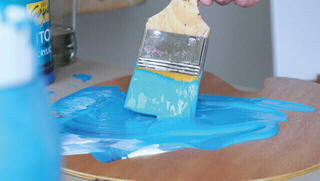
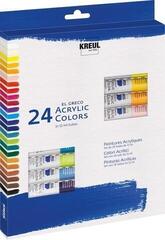
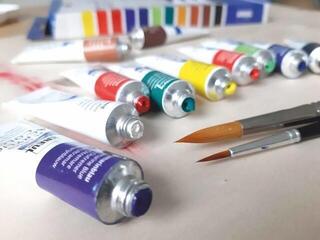
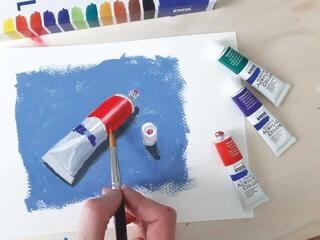
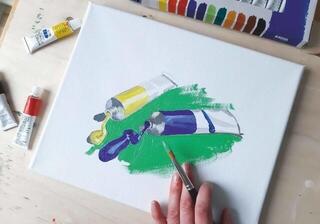
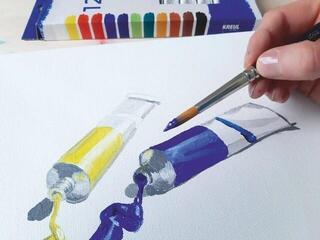
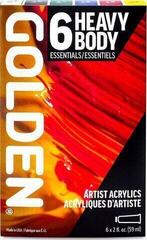
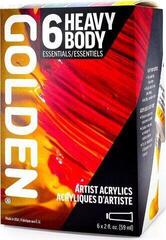
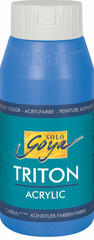
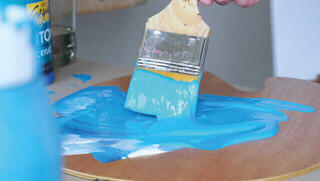
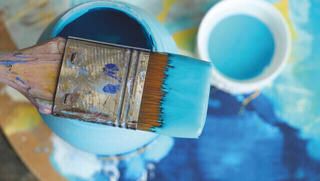
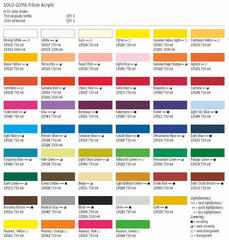
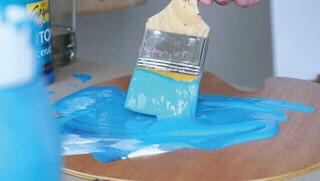
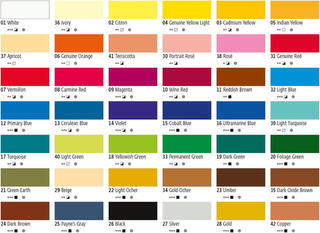
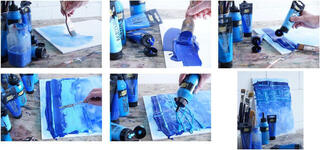
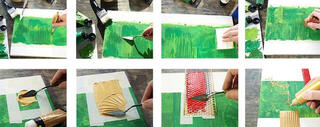
Acrylic paint can be thinned with water while you work, but forms a solid film after drying. It may be fluid for glazing and pouring or thick for visible brush marks. Coverage depends on the pigment, consistency, and thickness of the layer. Therefore, choose paint according to the technique, not only the shade.
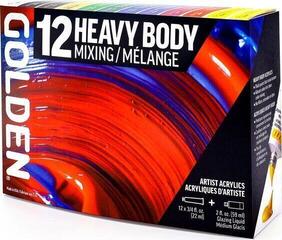
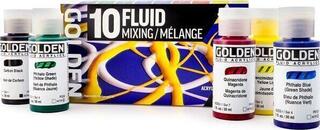
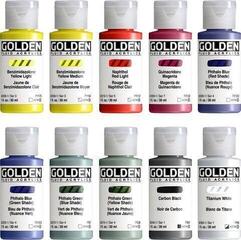
Fluid and heavy-body acrylic
| Consistency | Application | Result |
|---|---|---|
| Fluid | Glazing, details, pouring within a suitable system | Thin, even layer |
| Medium | Versatile brush painting | Coverage and blending |
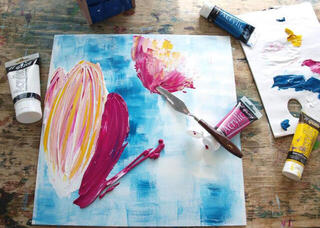
| Thick | Impasto brushwork and palette knife | Visible texture |
Do not add water without care
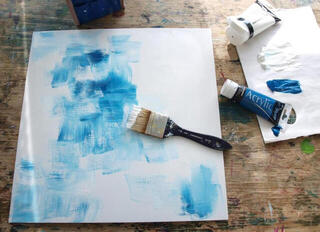
A small amount adjusts the flow, while too much may weaken the binder and alter coverage. Use a medium intended for acrylics to make greater changes to the paint's properties. If you want to preserve a clean edge, add another layer only after the previous one has dried sufficiently.
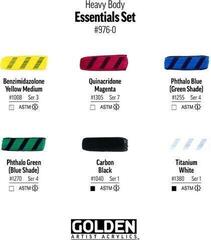
Palette and color mixing
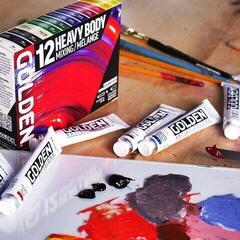
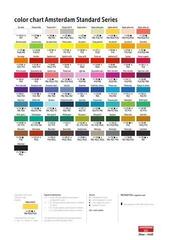
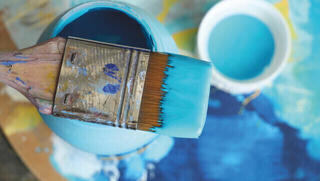
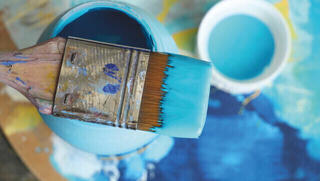
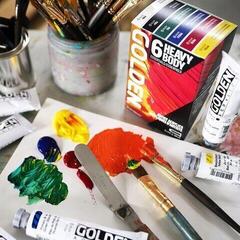
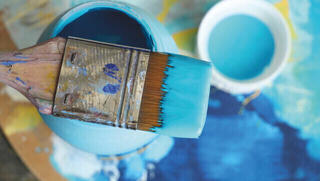
Prepare a limited palette and mix smaller amounts. A stay-wet palette slows drying while you work. Do not leave a brush standing in water or let paint dry near the ferrule. You can find more types under Painting Colors; Gouache Paints offer a more matte, water-reactivatable alternative.
Let the finished surface cure
Before varnishing or packing, follow the curing time recommended by the paint and protective-product manufacturers. Wash tools while the paint is still wet. Close tubes and containers without dried material in the threads.