Albania
 Argentina
 Australia
 Austria
 Belgium
 Bosnia and Herzegovina
 Brazil
 Bulgaria
 Canada
 Chile
 Colombia
 Croatia
 Czech Republic
 Denmark
 Estonia
 Finland
 France
 Germany
 Greece
 Hungary
 Ireland
 Italy
 Latvia
 Lithuania
 Luxembourg
 Mexico
 Moldova
 Montenegro
 Netherlands
 New Zealand
 North Macedonia
 Norway
 Philippines
 Poland
 Portugal
 Romania
 Serbia
 Slovakia
 Slovenia
 South Africa
 Spain
 Sweden
 Switzerland
 Turkey
 Ukraine
 United Kingdom
 United States of America



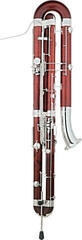
Bassoons
The bassoon provides the bass and tenor voice of the woodwind section and uses a double reed fitted to a curved metal crook. Its size, weight and complex mechanism mean that you should choose a student instrument with your teacher. Tight joints, smooth key operation and a reed that matches your breath strength are crucial.
A student model needs reliable servicing
Before testing it, check the cork joints, pads and thumb-key mechanism. The instrument must speak in the low register without excessive pressure. The more complex mechanism of a professional model will not help you if you do not yet have a stable embouchure and fingering.
Strap, seat strap and support
You can support the weight with a neck strap, harness or seat strap. Each option changes the position of your hands, so try it together with the instrument. If you are a smaller player, your teacher may recommend a lighter model or ergonomic accessories.
The reed shapes resistance
After briefly soaking the bassoon reed, fit it without twisting it sideways. Clean it after playing and store it in a ventilated case. The oboe uses a related principle, but its reed and instrument are not interchangeable; see oboes.
Water and wood require discipline
After each time you play, remove moisture from the wing joint and boot joint, and wipe the metal parts dry. You can find suitable swabs and lubricants in the wind instrument cleaning section. Leave adjustment of the mechanism's screws to a technician.
Try the bassoon with your own teacher, suitable support and a reed; have the mechanism checked by a repair technician before purchase.