 Albania
 Argentina
 Australia
 Austria
 Belgium
 Bosnia and Herzegovina
 Brazil
 Bulgaria
 Canada
 Chile
Chile
 Colombia
 Croatia
 Czech Republic
 Denmark
 Estonia
 Finland
 France
 Germany
 Greece
 Hungary
 Ireland
 Italy
Italy
 Latvia
 Lithuania
 Luxembourg
 Mexico
 Moldova
 Montenegro
 Netherlands
 New Zealand
 North Macedonia
 Norway
 Philippines
 Poland
 Portugal
 Romania
 Serbia
 Slovakia
 Slovenia
 South Africa
 Spain
Spain
 Sweden
 Switzerland
 Turkey
 Ukraine
 United Kingdom
 United States of America



Top 10 albums that defined 80s synth-pop
The synthesizer was a luxury for a long time. In the sixties it took up a whole studio wall and cost as much as a car. Then it got smaller, it got cheaper, and by the early eighties even a broke band could get one. These are the ten albums 80s synth-pop stands on. You should not be missing a single one at home.
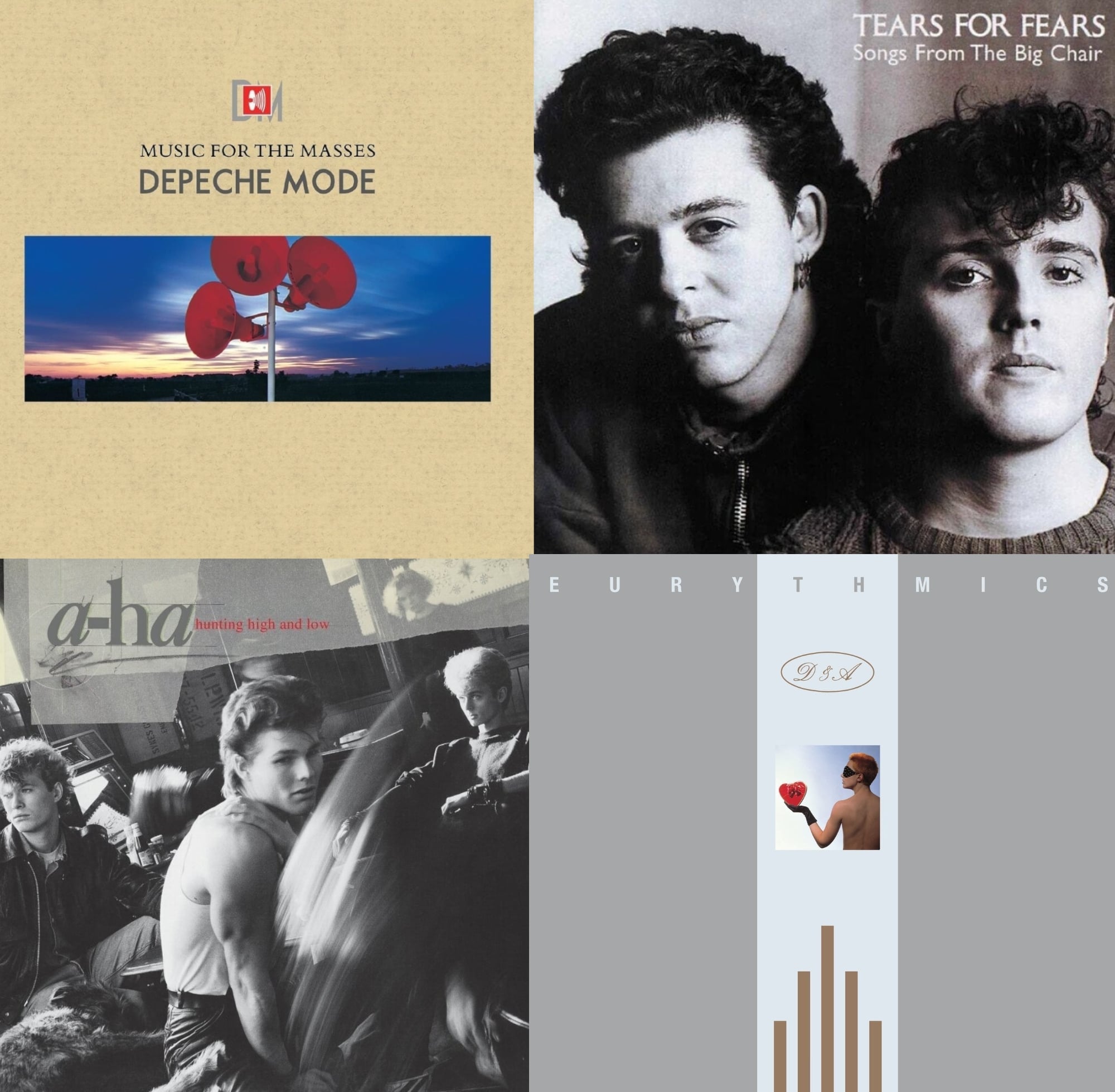
The synthesizer was a luxury for a long time. In the sixties it took up a whole studio wall and cost as much as a car. Then it got smaller, it got cheaper, and by the early eighties even a broke band could get one. Kraftwerk had already shown what it could do. The rest of the decade belonged to drum machines and one good chorus. These are the ten albums 80s synth-pop stands on. You should not be missing a single one of them at home.
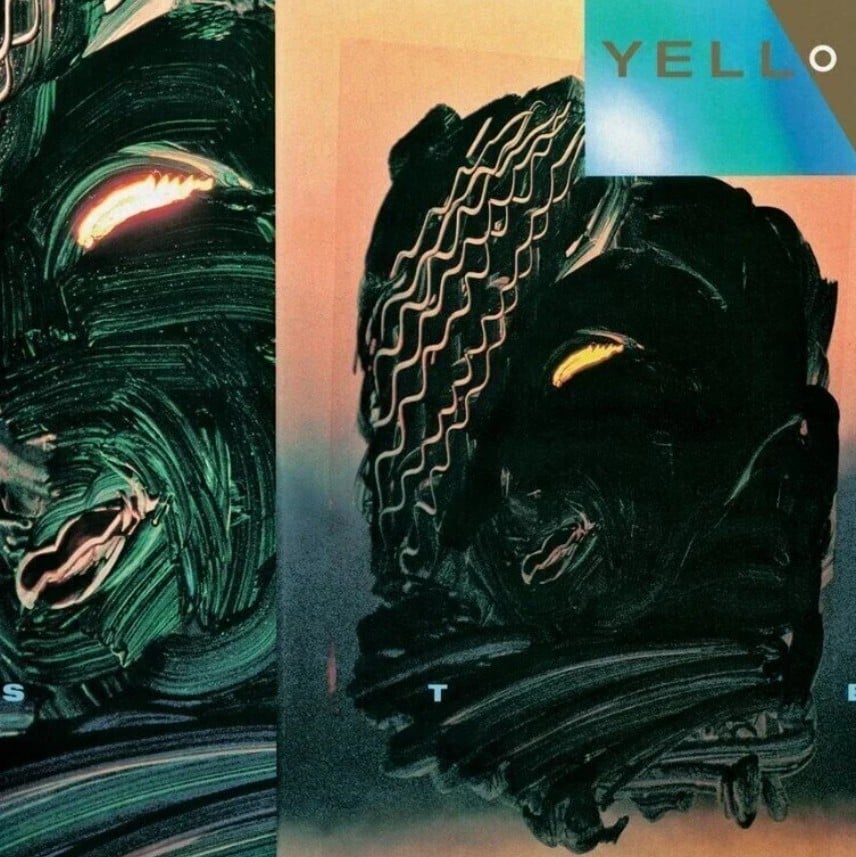
10. Yello – Stella (1985)
Two Swiss guys who never even pretended to be musicians. Boris Blank never studied music and glued his tracks together from thousands of sounds he had recorded into his own archive. Next to him Dieter Meier did not sing, he just talked, as if he were whispering something in your ear.
You know Oh Yeah even if you have never heard of Yello. Director John Hughes asked for the track himself for Ferris Bueller's Day Off, and ever since it plays whenever something expensive or naughty is coming. Vicious Games and Desire prove the album is more than one joke.
Fun fact: Meier is a banker's son who swapped law school for life as a professional gambler. He also played on the Swiss national golf team and came into the studio more as a visual artist than a musician.
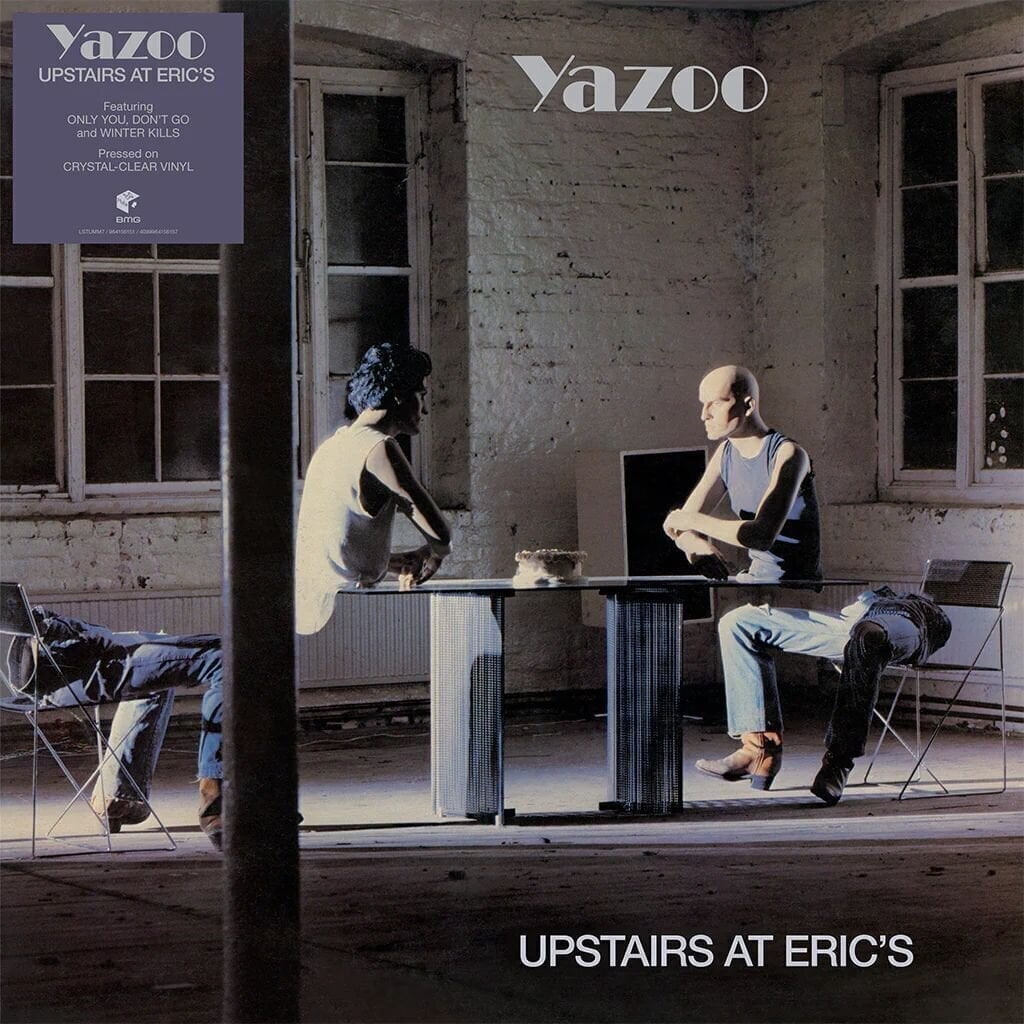
9. Yazoo – Upstairs at Eric's (1982)
Vince Clarke wrote the first hits for Depeche Mode and then walked out at the peak. He did not want fame, he wanted to write songs. Alison Moyet had placed an ad in Melody Maker looking for a bluesy band, and Clarke was the only person who answered. They had both grown up in Basildon.
That combination should not have worked. His machines are cold, her voice is not. Only You, Don't Go and Situation still sound like a manual on how to turn that into pop. Yazoo lasted two albums and split at the top, then Clarke founded Erasure.
Fun fact: A year later the Flying Pickets covered Only You a cappella and took it to the UK Christmas number one. Clarke did not have to lift a finger and had the best Christmas of his career.
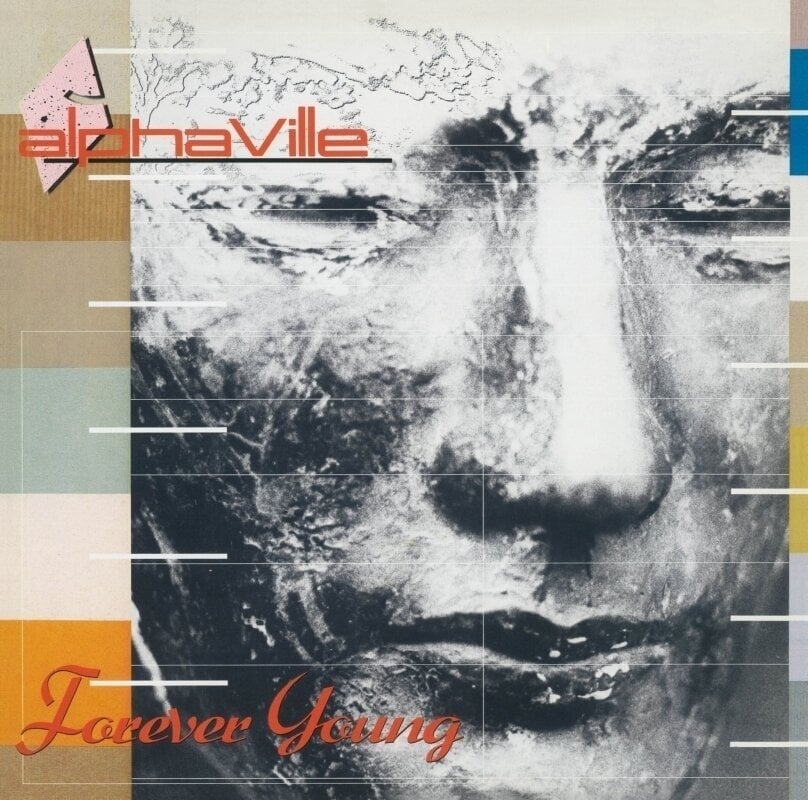
8. Alphaville – Forever Young (1984)
Marian Gold and his two bandmates wanted music that sounds like a European film. That is why their debut is not only danceable, it is also sad and a little grandiose. Even the band name comes from a film, one by Jean-Luc Godard.
Big in Japan and Sounds Like a Melody are summer hits, but what holds Alphaville together is the title track. Forever Young is slow and sentimental, and that is exactly why twenty years later it started playing at proms and at funerals all over the world.
Fun fact: Big in Japan is not about fame. It is about a couple hooked on heroin around Berlin's Zoo station, telling themselves that one day they will be somewhere else.
7. New Order – Power, Corruption & Lies (1983)
When Ian Curtis died, Joy Division ceased to exist overnight. The three remaining members could have kept playing the same thing. Instead they bought a sequencer and a drum machine and learned to run them live, even though it kept crashing on stage at first.
This is the first album that is entirely theirs. Age of Consent and Your Silent Face sound like grief you can dance to. That same year Blue Monday came out separately, a twelve inch that married the disco floor to rock and became the best selling 12 inch single of all time.
Fun fact: Peter Saville found a floppy disk in their rehearsal room and turned it into the Blue Monday sleeve, scaled up to twelve inches. You will not find the title printed on it, it is encoded in a colour alphabet. Legend says the die-cut sleeve cost so much that Factory Records lost money on every copy.

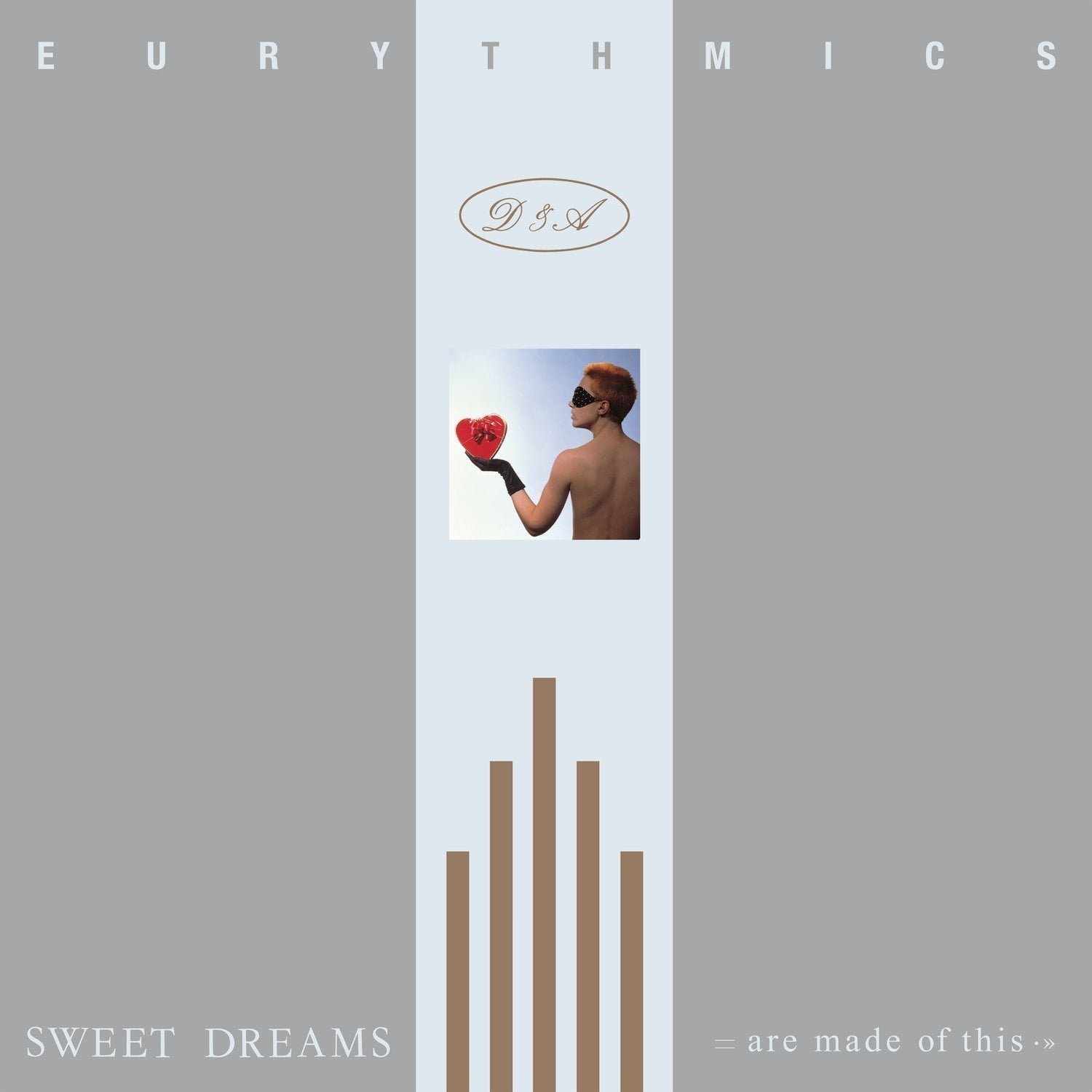
6. Eurythmics – Sweet Dreams (Are Made of This) (1983)
Annie Lennox and Dave Stewart had been a couple and a band, and both fell apart. With a five thousand pound bank loan they built a studio in the attic of an old warehouse above a picture framing business in London. They recorded on eight tracks and had nothing to lose.
That famous riff is not a guitar and not a bass, it is a synthesizer. Sweet Dreams, Love Is a Stranger and Here Comes the Rain Again made Eurythmics a global duo within a year. Lennox cut her hair short, dyed it orange and put on a man's suit.
Fun fact: The cow in the Sweet Dreams video was Stewart's idea, a fan of the surrealists Dalí and Buñuel. Lennox explained it simply: here are humans with their ambitions, and here is a cow.
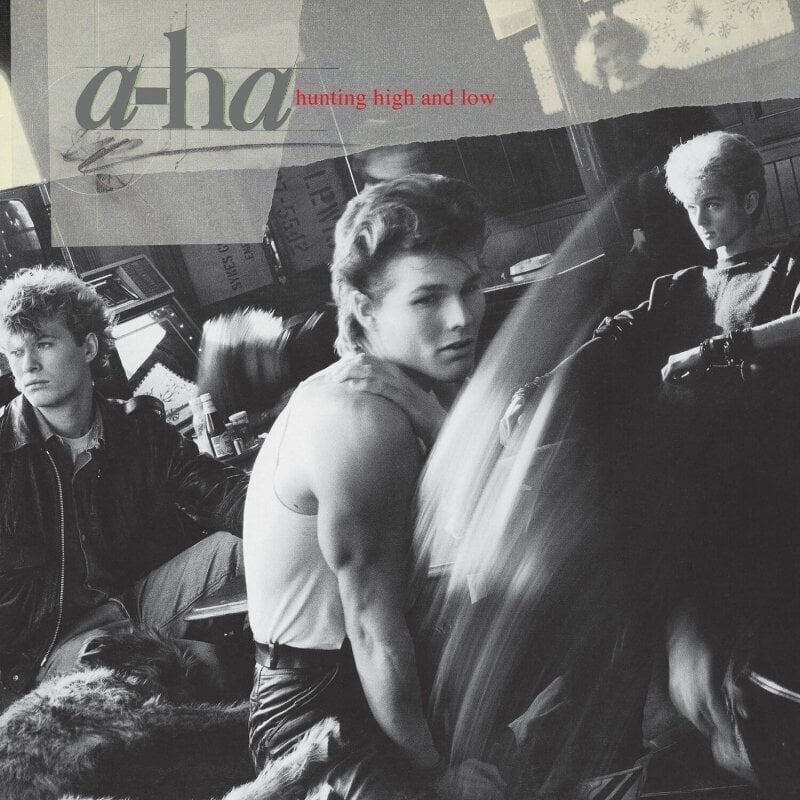
5. a-ha – Hunting High and Low (1985)
Three Norwegians moved to London with one song nobody was betting on. They recorded it three times. It flopped twice, and only the third version got the video that changed everything.
The Take On Me keyboard riff goes back to their school band Bridges, written when Magne Furuholmen was fifteen. He played it on a Roland Juno-60, layered in the studio with a Yamaha DX7. Morten Harket added a falsetto you cannot forget, and The Sun Always Shines on T.V. then proved a-ha were not a one hit band.
Fun fact: The video was made by rotoscoping, drawing straight onto the film frames. There were around three thousand of them and the work took sixteen weeks. The video went on to win six MTV awards and pushed the song to number one in the US.
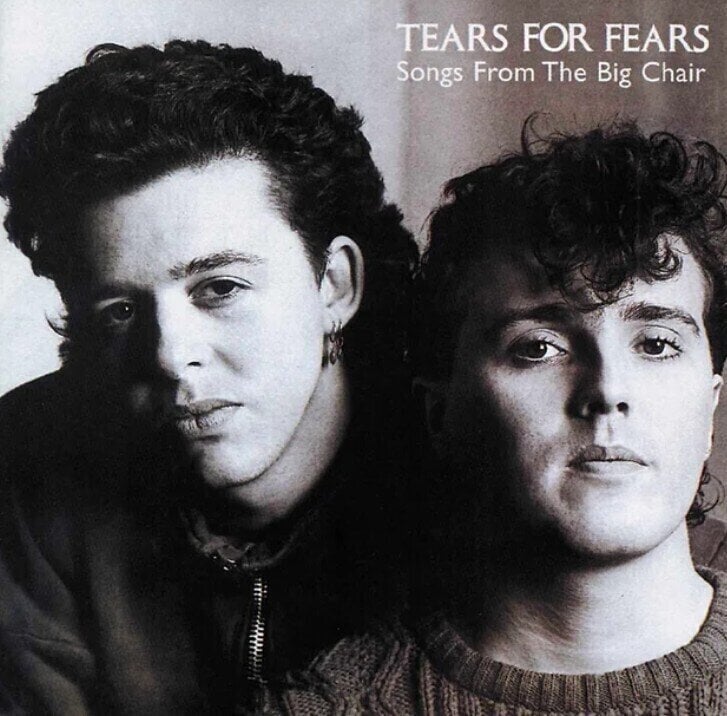
4. Tears for Fears – Songs from the Big Chair (1985)
Roland Orzabal and Curt Smith knew each other from their teenage years in Bath and both were raised by their mothers, with absent fathers. The first Tears for Fears album was built on therapy and anger. On the second they decided it should sound huge, so they added live drums, guitar solos and orchestral layers.
Shout is not a song about yelling at someone, it is about refusing to stay quiet. Everybody Wants to Rule the World and Head Over Heels then conquered America and turned two guys from Bath into a stadium band.
Fun fact: Both the album title and the song Shout come from the film Sybil, about a patient with multiple personalities. The big chair is her therapist's, the only place she felt safe enough to talk about her childhood.
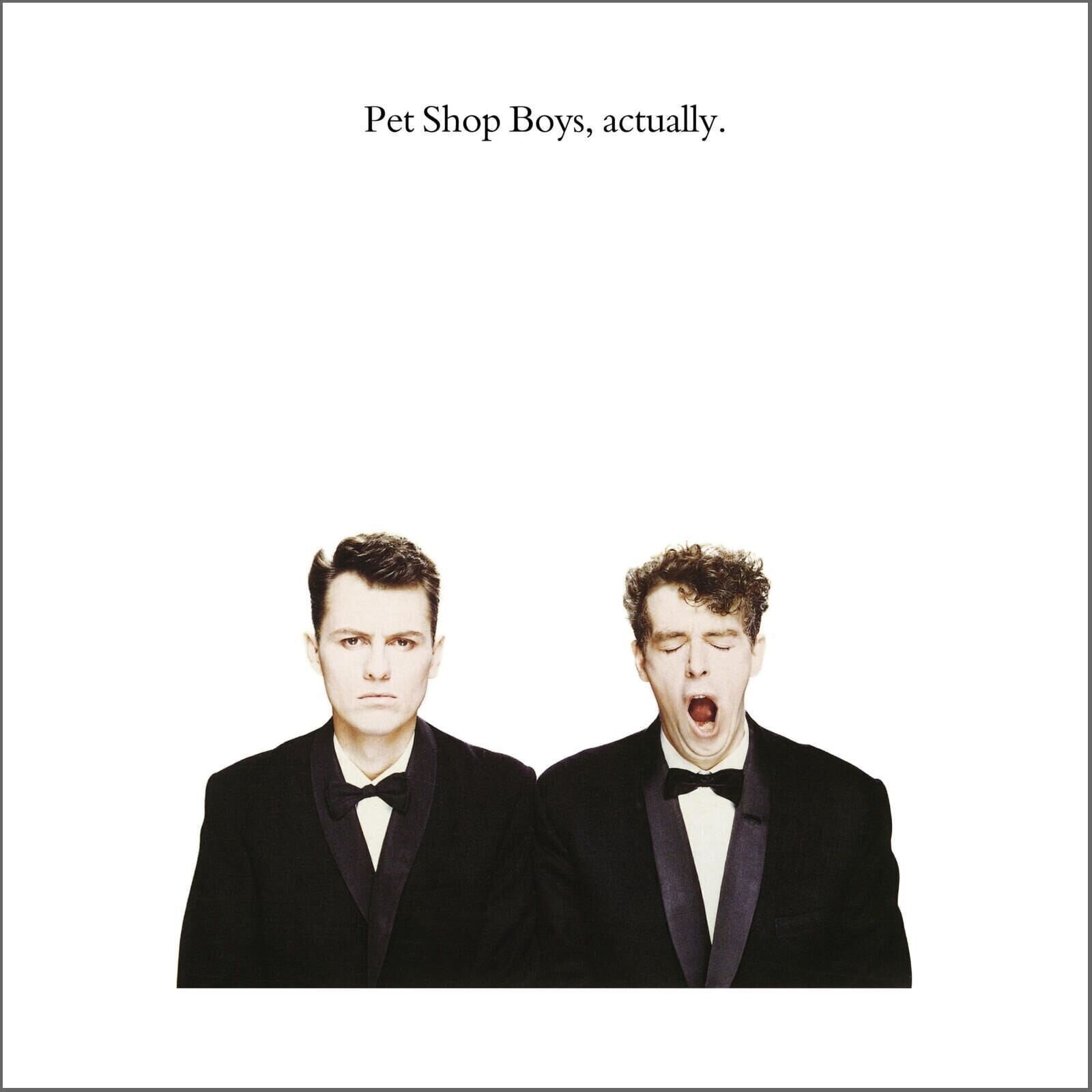
3. Pet Shop Boys – Actually (1987)
Neil Tennant wrote for the music magazine Smash Hits. In August 1981 he walked into a hi-fi shop on London's King's Road looking for a connector for his Korg MS-10 and struck up a conversation with Chris Lowe. They found out they wanted the same thing. Dance music with lyrics about money, class and London.
It's a Sin is the most dramatic pop single of the decade and Tennant uses it to settle a score with his catholic school. Rent is the coldest ballad ever written about being kept by someone. They sang What Have I Done to Deserve This? with Dusty Springfield and put her back in the spotlight.
Fun fact: The break came in 1983, when Smash Hits sent Tennant to New York to interview The Police. He used the trip to find himself a producer. On the cover of Actually he is yawning, and that bored pose became the Pet Shop Boys signature.
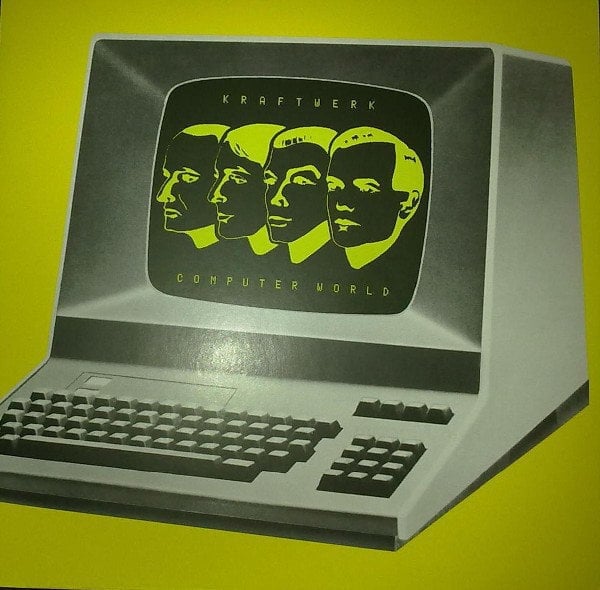
2. Kraftwerk – Computer World (1981)
Kraftwerk from Düsseldorf made music about things nobody was singing about. Data, numbers and the idea that one day we would all have a computer at home. Ralf Hütter and Florian Schneider built their own instruments in the Kling Klang studio, because shop bought gear was not enough for them.
Computer Love, Pocket Calculator and Numbers were ten years ahead of their time. The band also recorded Pocket Calculator in German, French and Japanese. The rhythm of Numbers was taken apart by American producers who built electro and hip hop on it. To see where it started, put on The Man-Machine from 1978 as well.
Fun fact: Chris Martin of Coldplay wanted the Computer Love melody for Talk, so he wrote Ralf Hütter a letter like a schoolboy in German class. The reply was one word, yes. Kraftwerk also had Casio turn its VL-80 calculator into something you could actually play.
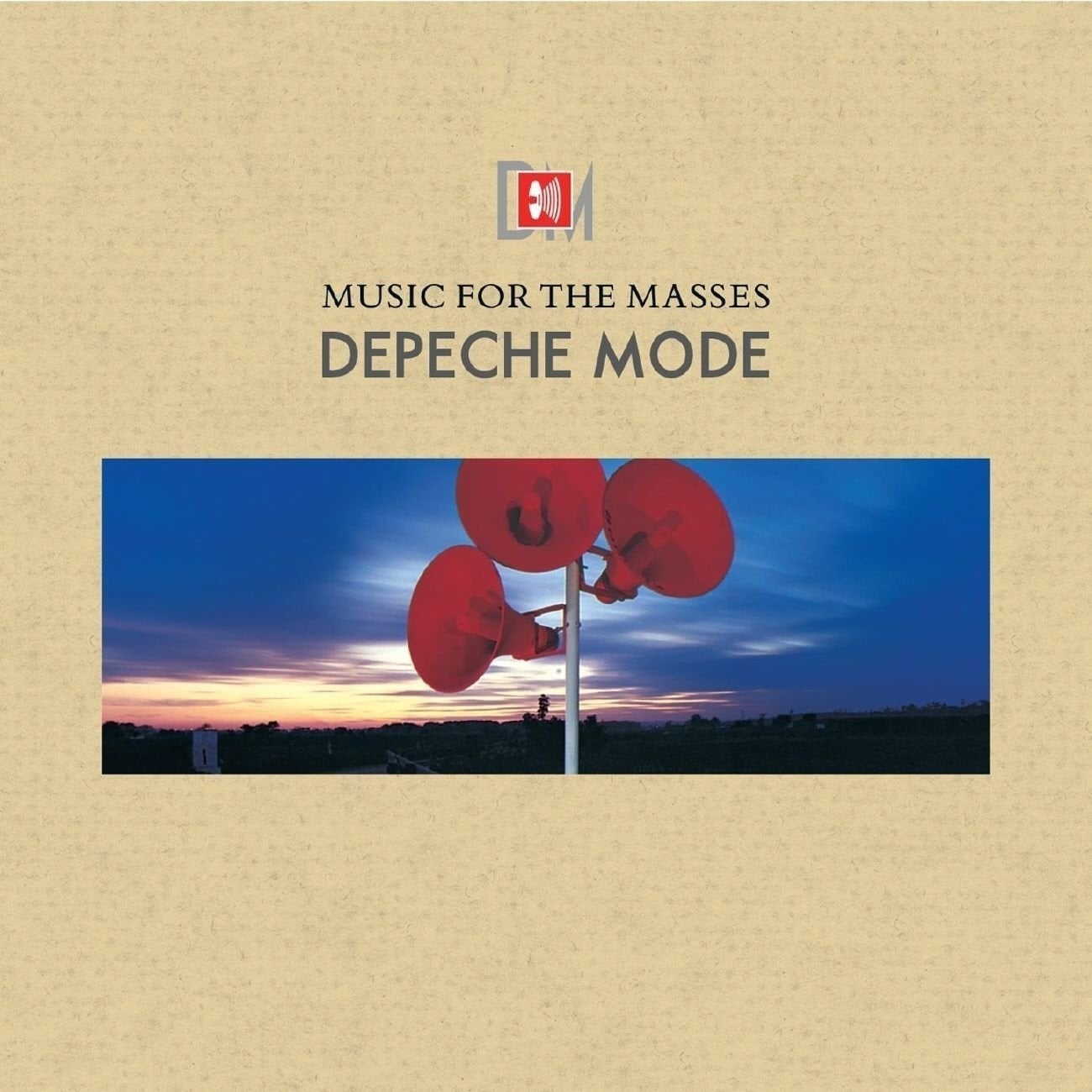
1. Depeche Mode – Music for the Masses (1987)
Depeche Mode started out as a sweet band for teenagers with hits written by Vince Clarke. When he left, Martin Gore took over the writing and started pulling the sound into the dark. The sixth album is the moment a pop band turned into something bigger and heavier.
Never Let Me Down Again opens the album with a riff that sounds like an avalanche, and they still play it live as an anthem. Strangelove and Behind the Wheel added elegance and tension. Meanwhile the voice of Dave Gahan grew into the register audiences still expect from him.
Fun fact: The title came from a record called Music for the Millions that Gore had bought and the band found funny. The tour ended at the Rose Bowl stadium in California in front of more than sixty thousand people. The recording came out as the film 101, because it was the hundred and first and also the last show of the tour.
The eighties are still playing
Synth-pop never disappeared, it only moved. The classics keep coming back as remastered reissues on vinyl and CD, and synthwave keeps returning to the same sound. If you want to dig deeper, put on Human League, Soft Cell, Gary Numan, Ultravox and Simple Minds. The pioneers are Jean-Michel Jarre, Giorgio Moroder, Tangerine Dream and Vangelis.
You can build that sound at home today. Have a look at synthesizers and at analogue reissues of the classics from Roland, Korg and Behringer. A groovebox handles the rhythm, and a pocket synth is enough on the road. Play the records on a turntable, tune it with headphones and finish it off with merch. The previous part of the series is about nu metal.
Photo sources: Wikipedia, Shutterstock