 Albania
 Argentina
 Australia
 Austria
 Belgium
 Bosnia and Herzegovina
 Brazil
 Bulgaria
 Canada
 Chile
Chile
 Colombia
 Croatia
 Czech Republic
 Denmark
 Estonia
 Finland
 France
 Germany
 Greece
 Hungary
 Ireland
 Italy
Italy
 Latvia
 Lithuania
 Luxembourg
 Mexico
 Moldova
 Montenegro
 Netherlands
 New Zealand
 North Macedonia
 Norway
 Philippines
 Poland
 Portugal
 Romania
 Serbia
 Slovakia
 Slovenia
 South Africa
 Spain
Spain
 Sweden
 Switzerland
 Turkey
 Ukraine
 United Kingdom
 United States of America



Headphones
Choose headphones mainly by where you will use them and what kind of listening you expect from them. A different model suits home music listening than studio work, gaming, phone calls or commuting. In this category you will find large over-ear models, compact in-ear earphones, wireless options and specialized headphones for musicians, gamers or children. Once you clarify the construction, connection type and functions you need, choosing becomes much easier.
Start with the construction
The most visible difference is whether you want on-ear headphones, in-ear headphones or a specific design routed around the ear. Larger headband models are usually more comfortable for long listening sessions, isolate the surroundings better and often create a more natural sense of space. Earphones are light, compact and suitable for travel, sport or quick listening from a phone. Over-ear hook headphones are useful when you need a more stable fit while moving or for stage monitoring.
With models that use ear cups, also check whether the design is open, semi-open or closed. Closed headphones help reduce sound leakage and are practical for recording, travel or work in a busier space. Open models often sound airier and more natural, but more sound escapes from them. If you are not sure, start with the place of use: at home and in silence a more open sound can work well, while on public transport, in an office or in a studio isolation is usually more practical.
Wired or wireless?
Wireless and Bluetooth headphones are comfortable when you do not want to deal with a cable at your phone, laptop or TV. They make sense for travelling, working from home, sport and everyday listening during the day. Check battery life, supported codecs, charging options and whether they can also be used with a cable when the battery runs out. With true wireless earphones, the case, ear tip sizes and a secure fit in the ear are also important.
Wired headphones remain one of the safest choices for studio use, DJ playing, Hi‑Fi listening or gaming without latency. You do not need to charge a battery, the connection is stable and with the right source you can use the full potential of the drivers. The connector type, cable length and replaceability matter, as does a 3.5 mm to 6.3 mm jack adapter when needed. For professional use it is practical when the cable can be replaced, because it is one of the most stressed parts.
Functions that change everyday use
If you travel often or work in a noisy environment, look at headphones with active noise cancelling. ANC helps reduce steady noise from transport, air conditioning or an office, so you do not need to raise the volume more than feels comfortable. On the street or during sport, a transparency mode that lets surrounding sounds through is useful instead. For calls and video meetings, microphone quality, wind reduction and simple call controls matter more.
If you need to communicate, choose from headphones with a microphone. For work calls, a lighter construction, clear voice transmission and comfort during several hours of wear are useful. For gaming, spatial orientation, stable fit and a microphone that does not sound too distant are also important. For pure music listening, it may be better to choose a model without gaming extras but with better drivers and more comfortable ear pads.
By use: music, studio, gaming, work and children
Home listening and Hi‑Fi
For focused listening at home, it is worth considering comfort, weight, ear cup size and sound character. Hi‑Fi headphones are suitable when you want a more detailed sound and have a better audio source, amplifier or player available. Some models emphasize bass and suit energetic listening, while others are more balanced and show the recording more honestly. During long evening listening, the softness of the ear pads and the pressure of the headband often decide.
Studio, DJ and music practice
Recording environments mainly call for studio headphones, which help control voice, instrument, mix or detail in a recording. Closed models are practical for recording vocals and instruments, so the backing track does not bleed back into the microphone. For editing, checking details and home mixing, a more open type can also work if you are in a quiet room. DJ headphones are usually sturdier, often foldable and designed so they can be placed quickly over one ear while mixing.
Gaming and online communication
For games and streaming, it makes sense to look at PC and gaming headphones with a microphone. A good gaming model must remain comfortable after longer sessions, should not press unnecessarily and should provide a microphone that gives teammates a clean voice. In competitive games, readable footsteps and directionality matter, while story-driven games benefit from a wider space and stronger bass. If you also play on a console, check compatibility with the controller, USB receiver or Bluetooth connection.
Work, children and safer listening
For the office and home office, office headphones are suitable, with priority on light construction, a stable microphone and call controls. For children, choose dedicated headphones for children, because they have smaller dimensions and often work with volume limiting. If you need to hear your surroundings while running or cycling, bone conduction headphones can be an alternative because they leave the ears open. With every type, it is worth thinking about sensible volume and breaks, especially during long daily use.
Quick comparison of headphone types
| Type | When it makes sense | What to watch for |
|---|---|---|
| On-ear or over-ear | Longer listening at home, work, studio, games | Weight, headband pressure, portability |
| In-ear | Travel, sport, calls, discreet wear | Correct ear tip size and stability in the ear |
| Wireless | Phone, laptop, commuting, movement without a cable | Battery life, latency, codecs and charging |
| Studio | Recording, monitoring, editing and detail checking | Closed or open design according to the task |
| Gaming with microphone | PC, console, voice communication, stream | Compatibility, microphone quality and comfort |
Technical parameters without unnecessary exaggeration
Impedance, sensitivity and frequency range can give guidance, but by themselves they do not decide whether the headphones will suit you. Lower impedance is usually easier to drive from a phone or laptop, while higher impedance may need a stronger headphone output or amplifier. Sensitivity says how loudly they can play at a given power, but the result is also affected by the source and construction. Treat frequency range as an orientation figure; what matters more is whether the sound is balanced for your use and whether it does not tire you after a few songs.
For comfort, check the ear pad material, replaceable parts, foldability and overall durability. Leatherette ear pads isolate better but can warm up more, while fabric or velour pads are usually more breathable. With sport and travel models, consider sweat resistance, secure fit and control without taking out your phone. With a more expensive model, it is also worth checking available headphone accessories, such as replacement ear pads, cables, cases or adapters.
How to decide without endless comparison
Start with one main situation in which you will use the headphones most often. If you mainly listen while travelling, focus on portability, ANC and battery; if you record, prioritize isolation and a reliable cable; if you play games, focus on the microphone and comfort. Then choose a construction that physically fits you, because even a highly rated model is a poor choice if it presses after an hour. If you want a broader buying overview, the guide how to choose headphones can also help, but when making the final choice, follow your own use, sound source and comfort above all.
Deals Headphones

How to Choose Headphones

Bundles: Headphones
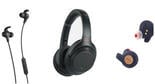
Headphones - all types
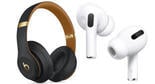
Wireless & Bluetooth headphones
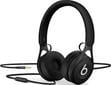
On-ear Headphones
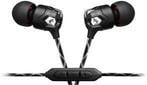
In-ear Headphones

Ear Loop headphones
Headphones with microphone

Noise-cancelling headphones
Bone Conduction Headphones

PC Gaming Headsets

Hi-Fi Headphones

Studio Headphones

DJ Headphones

Headphones for children
Headphones for hearing impaired

Office Headsets

In-Ear Monitoring
Headphone Amplifiers

Hearing Protection
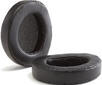
Headphones Earpads
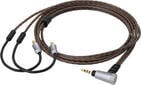
Headphone Cables
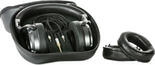
Headphone Accessories
Popular Brands

Superlux Headphones

Audio-Technica Headphones

Beyerdynamic Headphones

Sennheiser Headphones

Marshall Headphones

AKG Headphones

Behringer Headphones

Shure Headphones

Pioneer Dj

JBL Headphones

Alpine Headphones

Numark Headphones

V-Moda Headphones

FiiO Headphones

KOSS Headphones

Roland Headphones

Yamaha Headphones

AIAIAI Headphones

Fostex Headphones

Mackie Headphones

Samson Headphones

1more Headphones

Edifier Headphones

Neumann Studio Headphones

House of Marley Headphones


