Albania
 Argentina
 Australia
 Austria
 Belgium
 Bosnia and Herzegovina
 Brazil
 Bulgaria
 Canada
 Chile
 Colombia
 Croatia
 Czech Republic
 Denmark
 Estonia
 Finland
 France
 Germany
 Greece
 Hungary
 Ireland
 Italy
 Latvia
 Lithuania
 Luxembourg
 Mexico
 Moldova
 Montenegro
 Netherlands
 New Zealand
 North Macedonia
 Norway
 Philippines
 Poland
 Portugal
 Romania
 Serbia
 Slovakia
 Slovenia
 South Africa
 Spain
 Sweden
 Switzerland
 Turkey
 Ukraine
 United Kingdom
 United States of America


Kalimbas for beginners
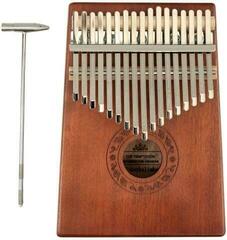
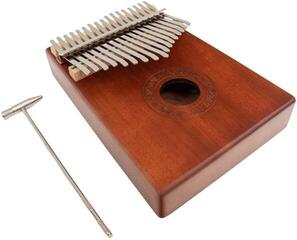
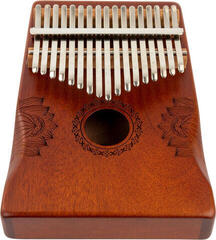
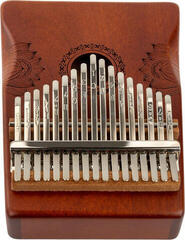
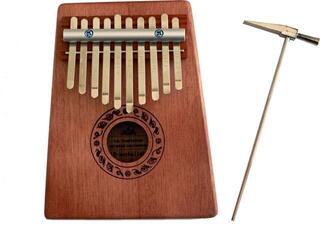
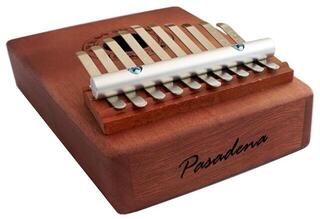
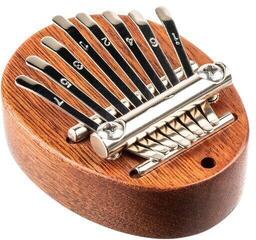
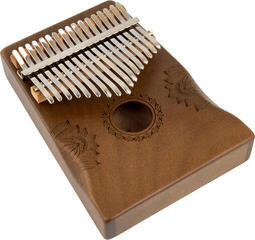
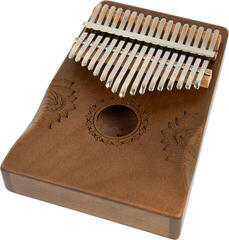
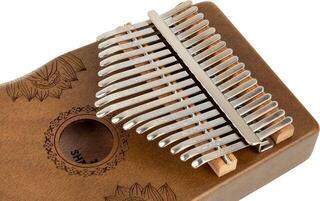
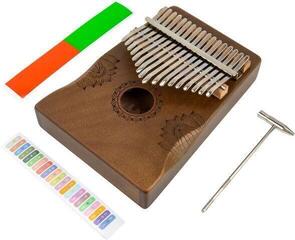
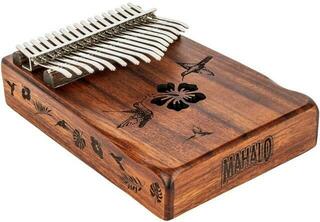
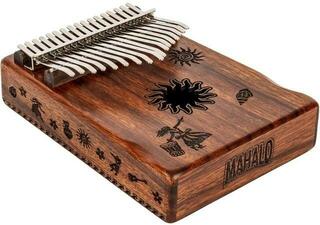
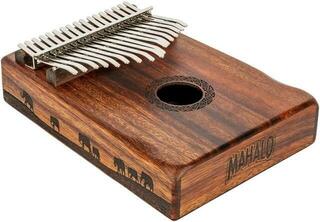
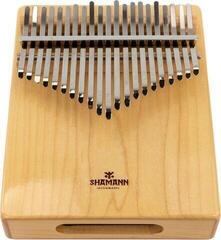
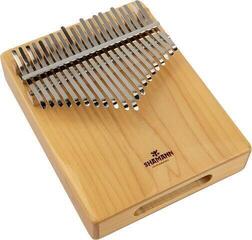
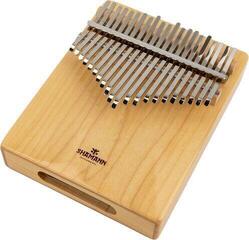
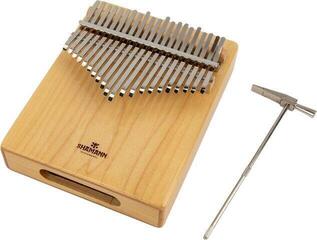
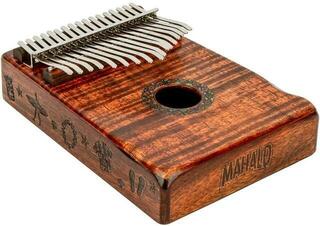
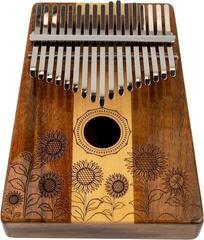
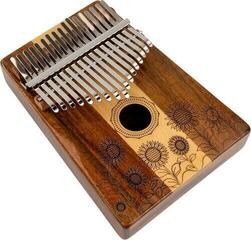
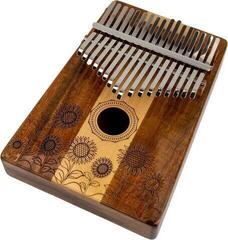
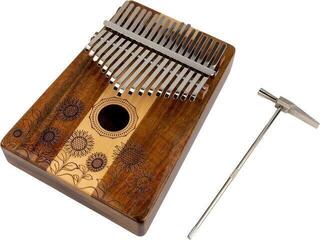
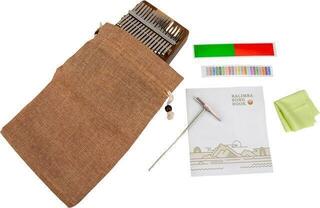
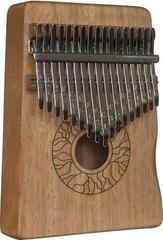
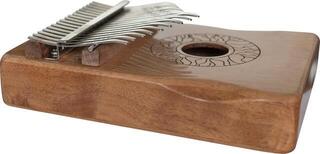
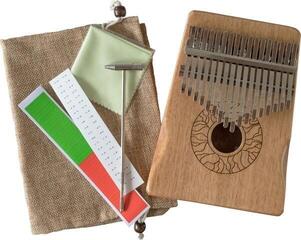
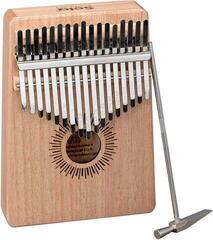
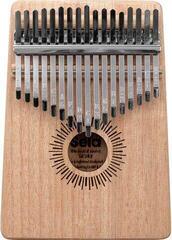
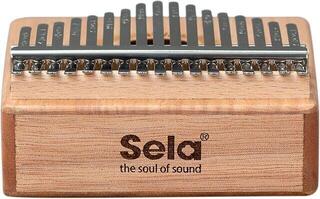
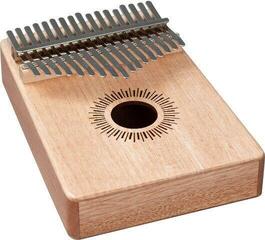
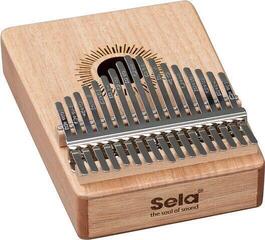
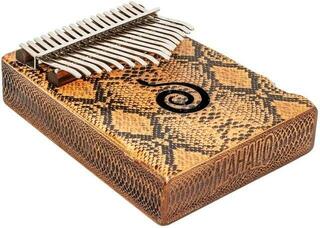
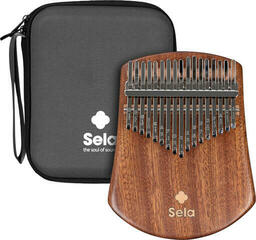
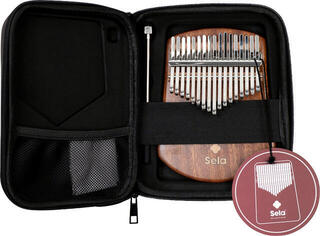
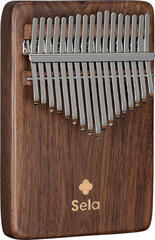
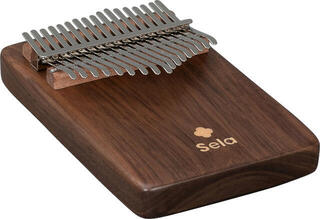
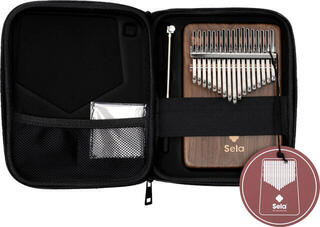
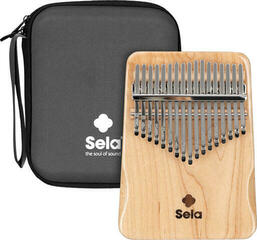
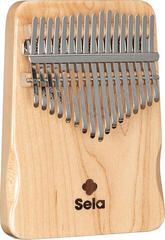
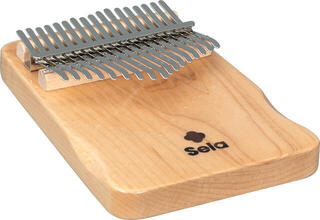
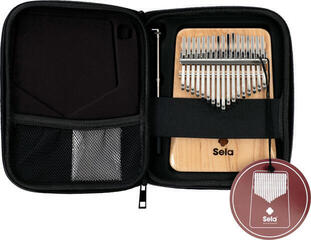
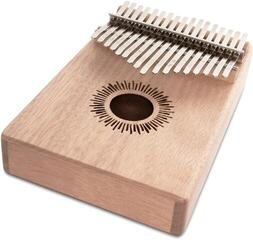
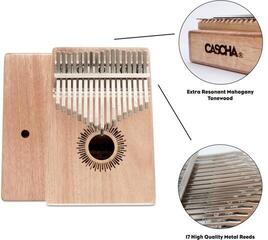
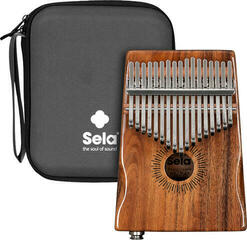
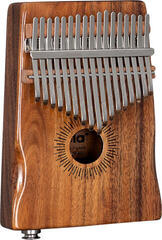
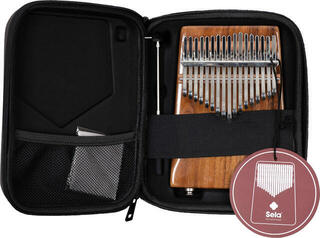
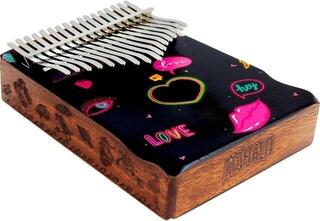
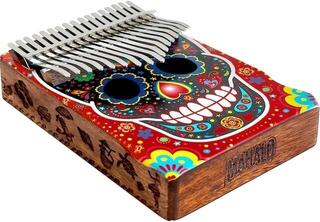
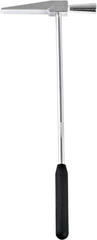
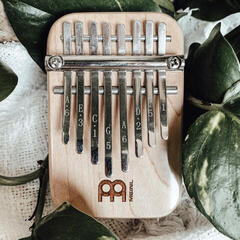
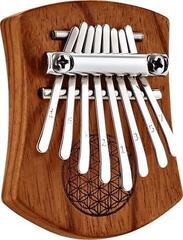
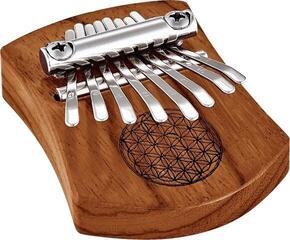
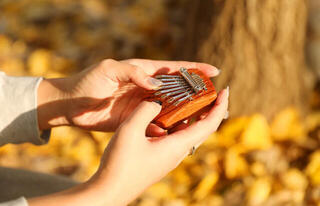
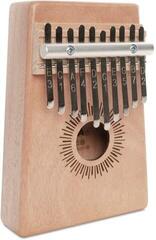
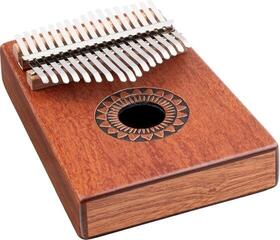
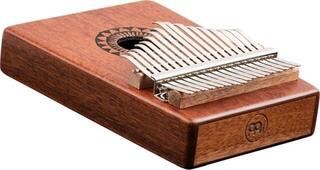
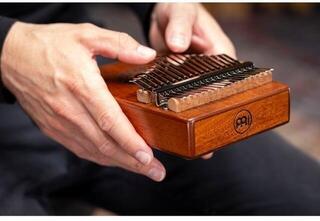
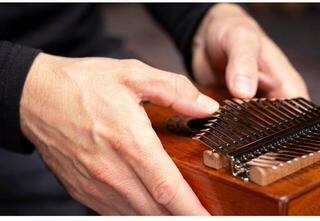
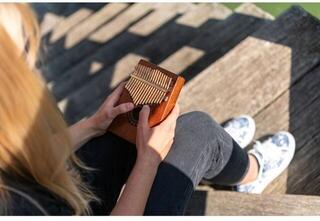
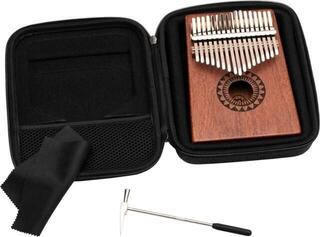
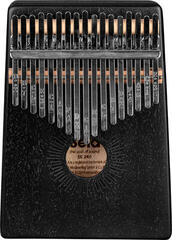
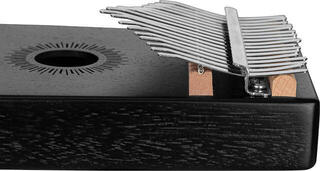
Your first kalimba should have 17 keys, C major tuning and a tuning hammer in the box, because most tutorials and songs in number notation are written for exactly this kind of kalimba. On this page you'll find kalimbas from Shamann, Mahalo, Sela, Pasadena, Meinl and Veles-X with 8, 10, 17 or 21 keys. You can choose between kalimbas with a sound hole, solid-board kalimbas and small mini kalimbas. You play them with the thumbs of both hands, so you can manage your first melody even if you can't read music.
How many keys should your first kalimba have?
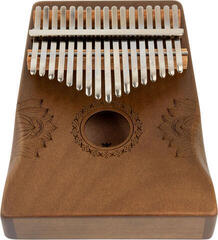
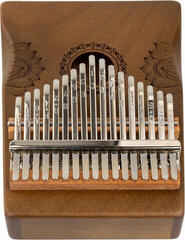
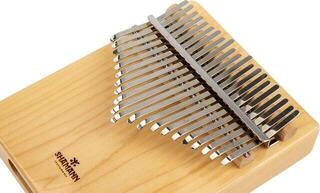
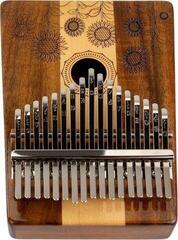
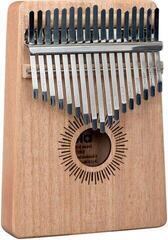
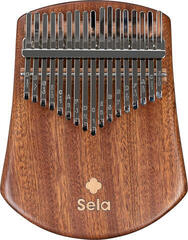
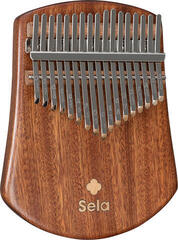
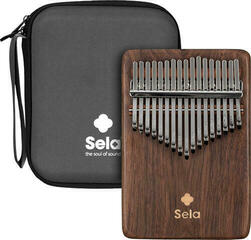
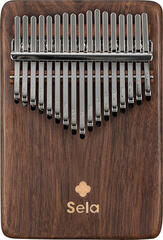
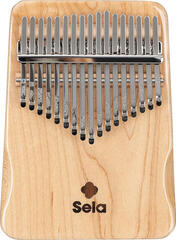
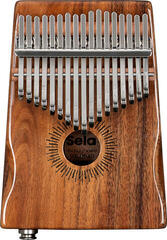
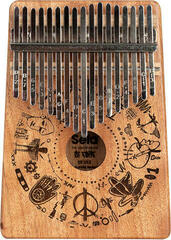
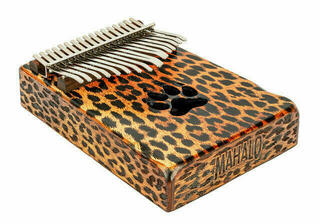
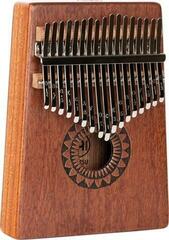
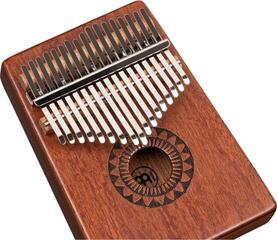
A 17-key kalimba tuned to C major has a range of more than two octaves, from C4 to E6. You can play folk songs, Christmas carols and the melodies of well-known songs on it, and it is the kalimba with the most songbooks and video tutorials available. The keys are arranged alternately: the lowest note sits in the middle and the notes rise towards the edges, alternating left and right.
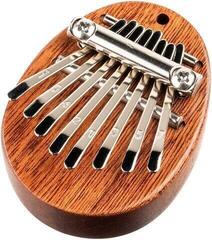
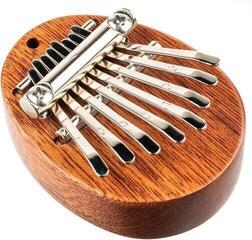
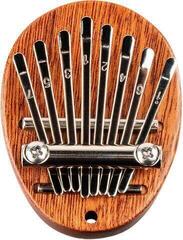
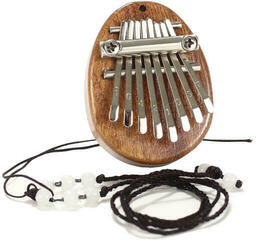
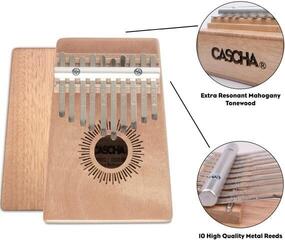
Kalimbas with 8 or 10 keys are smaller, have a range of about one octave and are a good fit for younger children or for travelling. A 21-key kalimba adds lower notes and a wider range, so it suits someone who already plays and wants to take on more demanding pieces.
A kalimba with a sound hole or a solid-board kalimba?
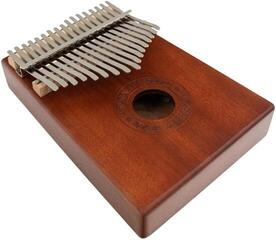
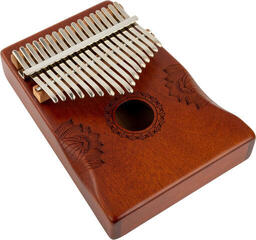
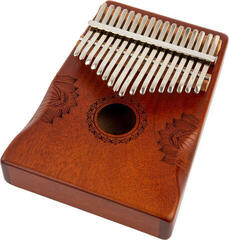
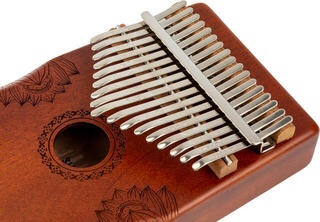
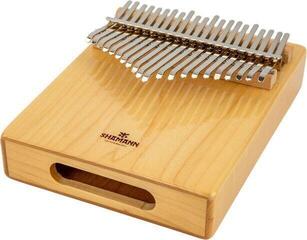
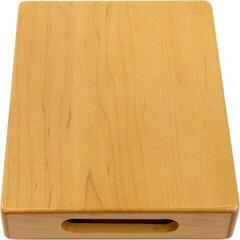
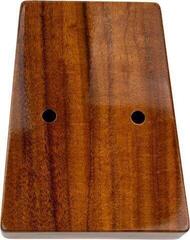
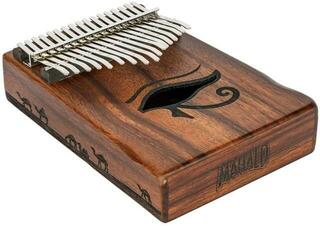
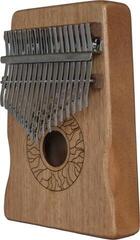
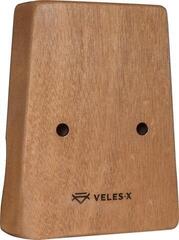
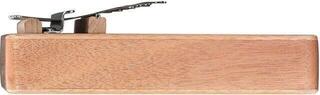
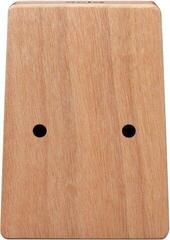
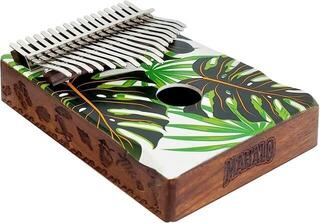
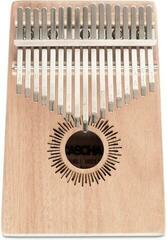
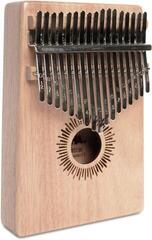
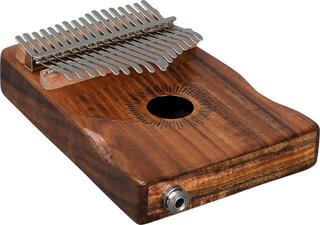
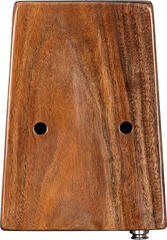
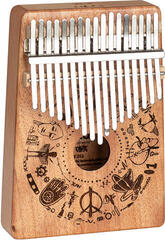
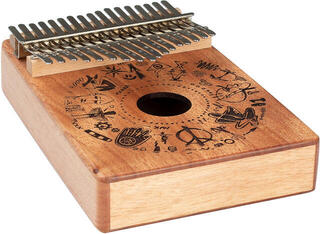
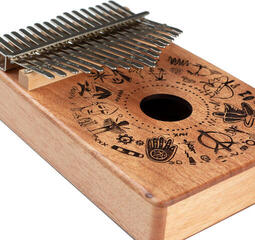
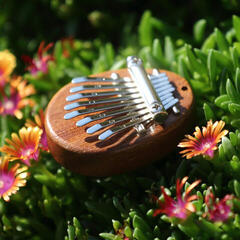
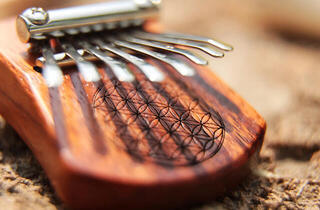
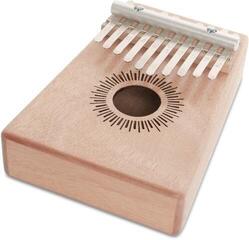
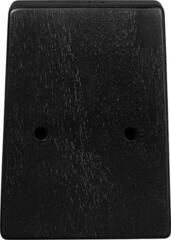
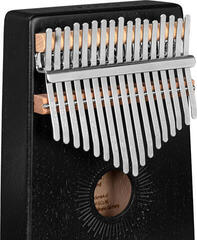
A kalimba with a sound hole has a hollow wooden box that amplifies the tone and gives it depth. When you alternately cover and uncover the hole with your finger, the tone wavers; players call this effect wah. Most of the kalimbas on this page are hollow and made of mahogany, walnut, maple or trembesi wood.
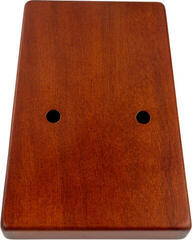
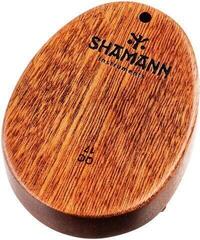
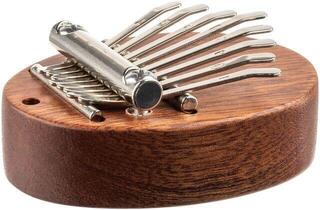
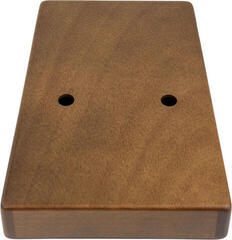
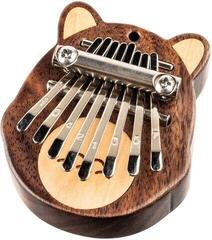
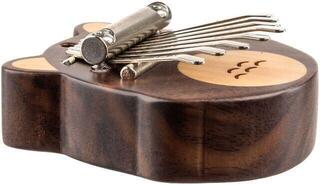
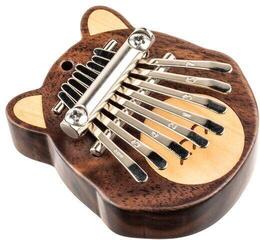
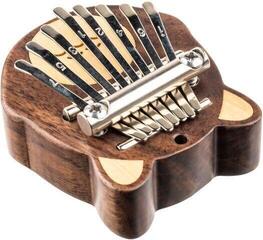
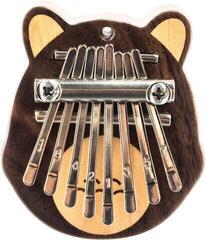
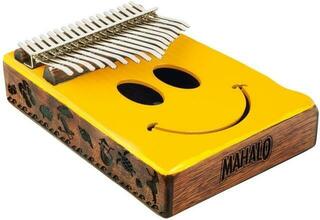
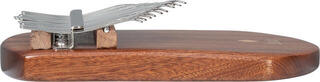
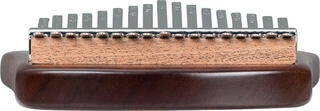
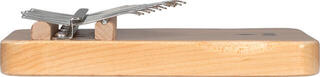
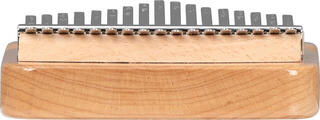
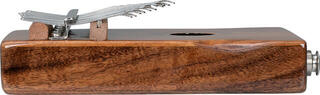
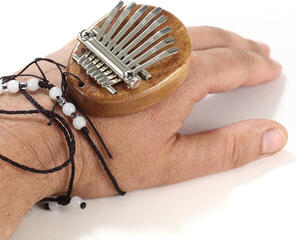
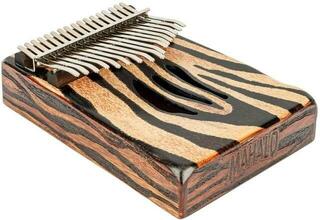
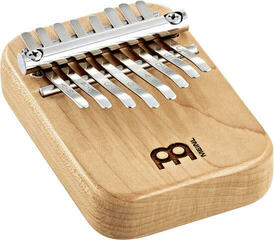
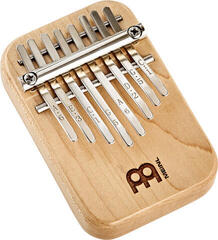
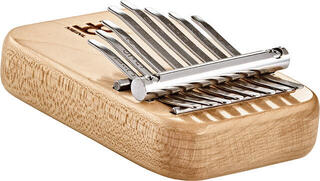
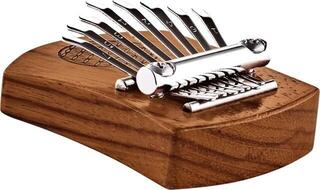
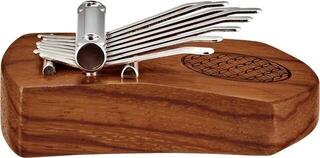
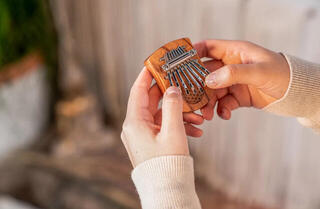
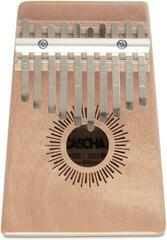
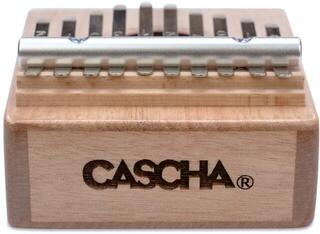
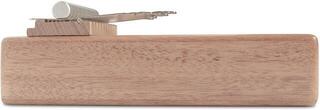
A solid-board kalimba has no cavity and is flat, its tone is more direct and less bassy, and you can't play the wah effect on it. Mini kalimbas have fewer keys and a smaller body, so even children's hands can hold them easily.
How do you tune a kalimba and how do you learn to play it?
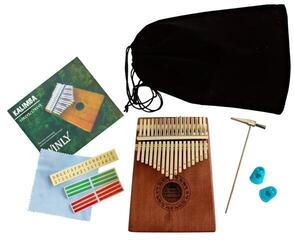
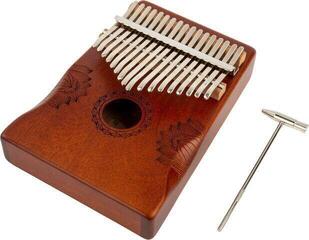
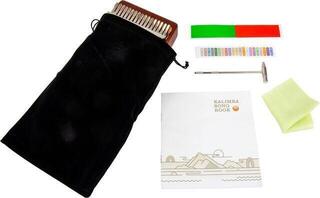
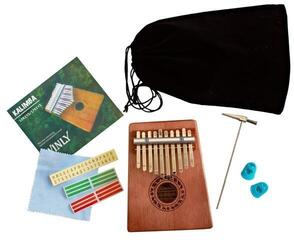
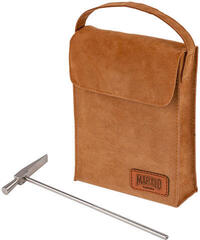
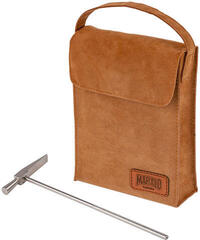
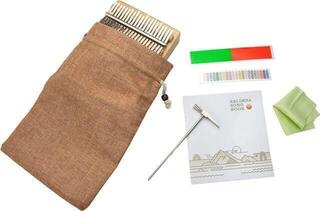
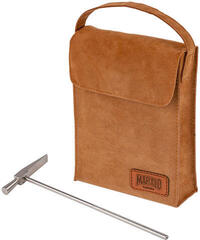
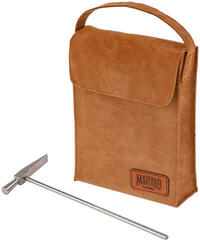
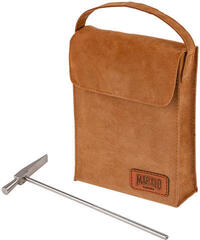
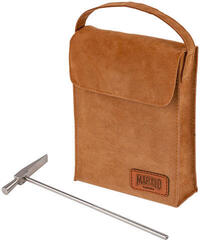
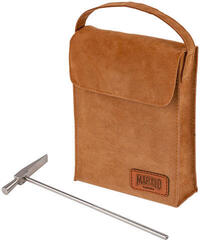
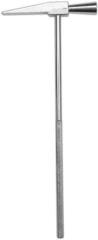
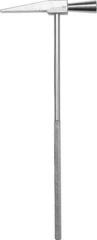
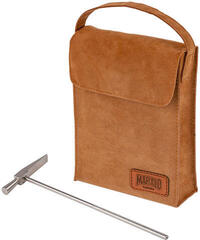
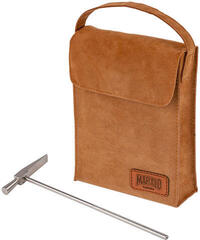
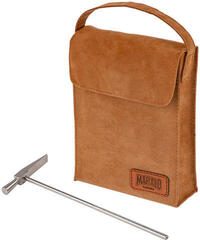
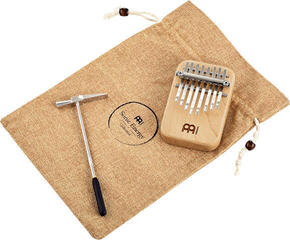
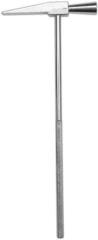
A tuning hammer comes in the box with most of the kalimbas on this page. A gentle tap moves the key: a longer key sounds lower, a shorter one sounds higher. Check the pitch with a tuner app on your phone, because a kalimba can go slightly out of tune after shipping or when the temperature changes.
Some kalimbas come with stickers showing the numbers or letters of the notes, which you stick on the keys. They let you read songs in number notation, where 1 stands for the note C, 2 for the note D and a dot above a number for the higher octave. A similarly simple melodic instrument is the tongue drum, so take a look at tongue drums for beginners; more instruments to start with are in the percussion for beginners section.