Albania
 Argentina
 Australia
 Austria
 Belgium
 Bosnia and Herzegovina
 Brazil
 Bulgaria
 Canada
 Chile
 Colombia
 Croatia
 Czech Republic
 Denmark
 Estonia
 Finland
 France
 Germany
 Greece
 Hungary
 Ireland
 Italy
 Latvia
 Lithuania
 Luxembourg
 Mexico
 Moldova
 Montenegro
 Netherlands
 New Zealand
 North Macedonia
 Norway
 Philippines
 Poland
 Portugal
 Romania
 Serbia
 Slovakia
 Slovenia
 South Africa
 Spain
 Sweden
 Switzerland
 Turkey
 Ukraine
 United Kingdom
 United States of America


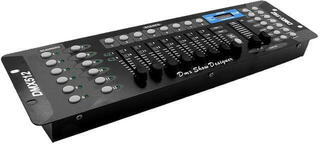
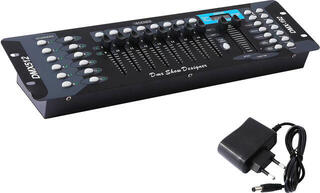
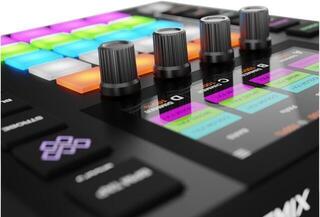
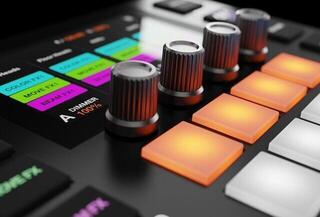
Lighting Controllers and Dimmers
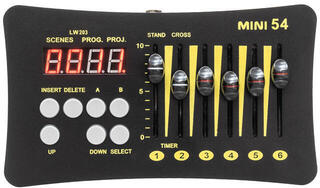
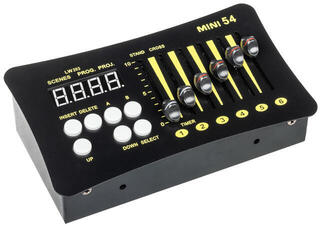
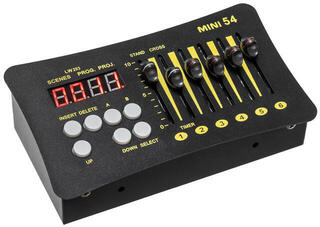
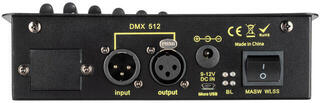
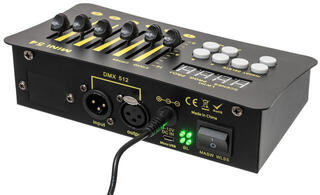
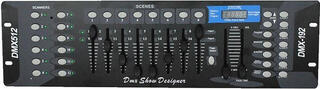
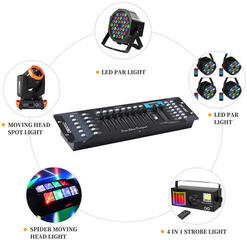
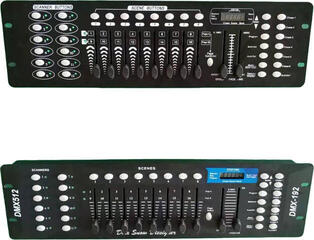
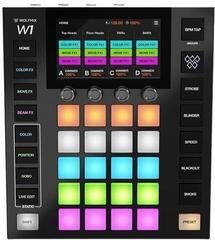
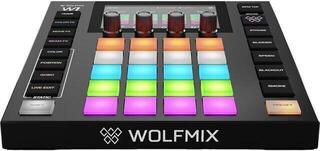
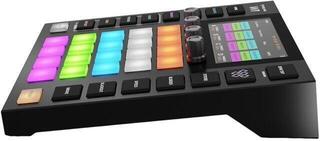
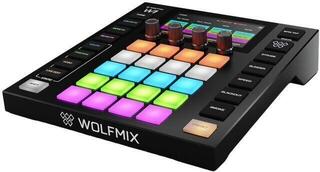
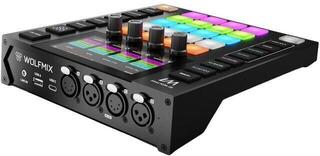
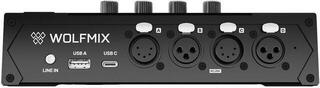
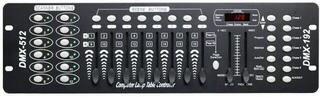
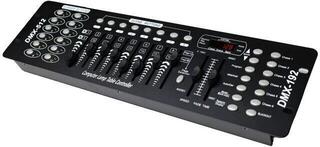
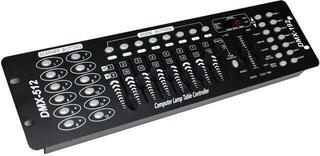
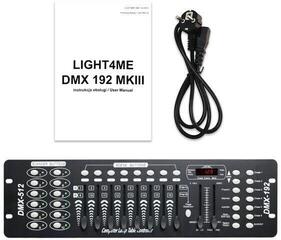
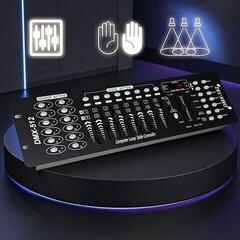
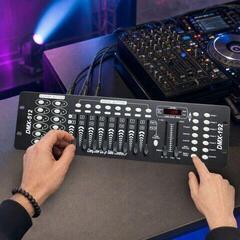
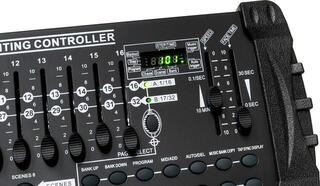
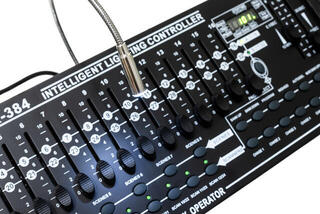
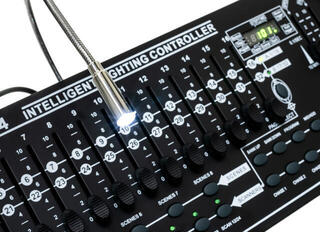
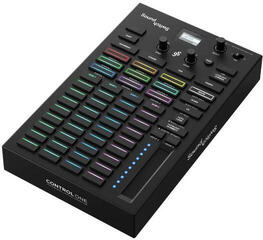
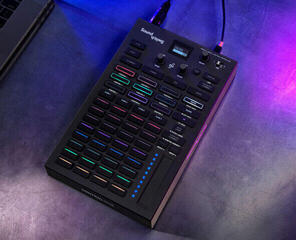
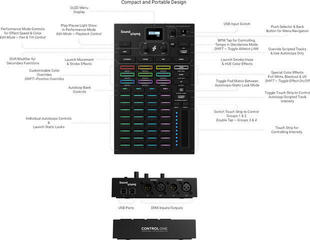
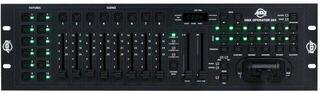
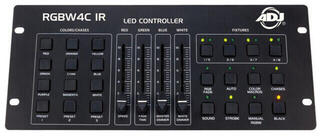
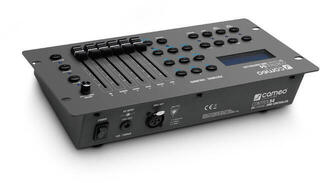
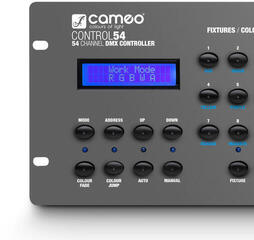
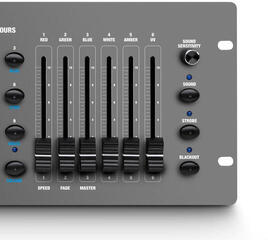
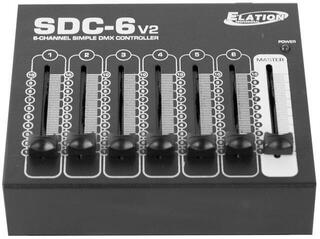
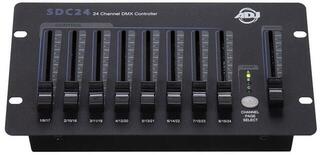
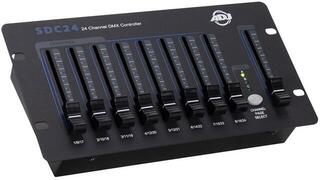
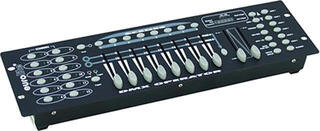
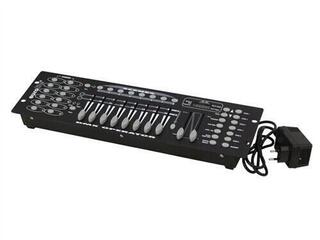
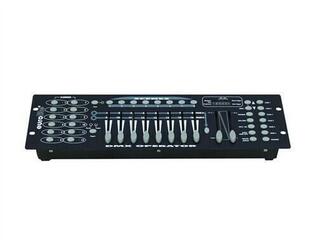
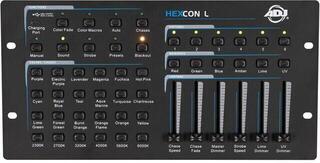
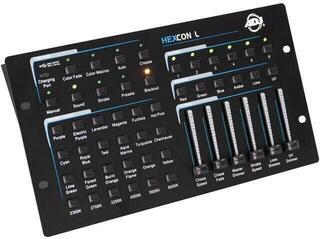
Lighting controllers and dimmers determine how you control your lighting: from simple dimming through a DMX console to wireless control. When choosing, first determine which lights you will control, how many DMX channels you need and whether you want to program scenes or simply trigger them. The range includes models from LWS, Light4Me, ADJ, Wolfmix and Behringer.
Which type of controller should you choose?
| Type | Particularly suitable for | What to consider |
|---|---|---|
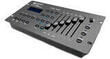
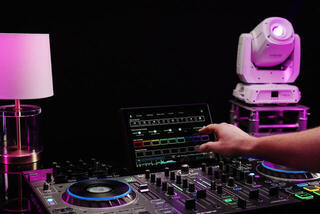
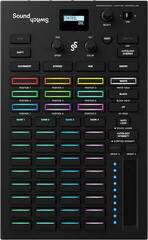
| Simple lighting controllers | Quickly launching programs and basic control | Fewer programming options |
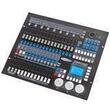
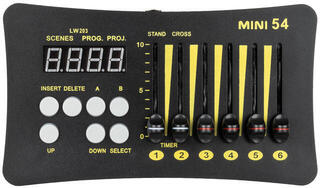
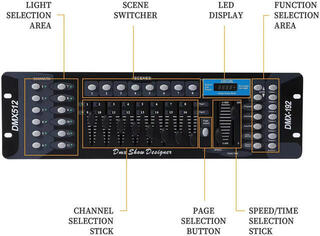
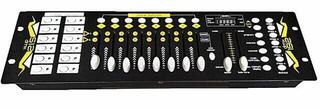
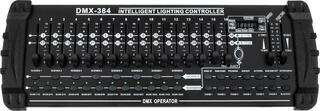
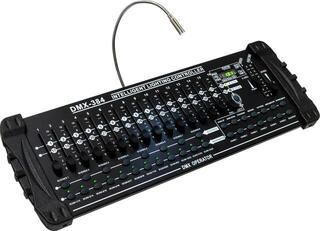
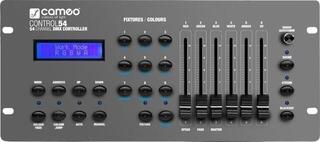
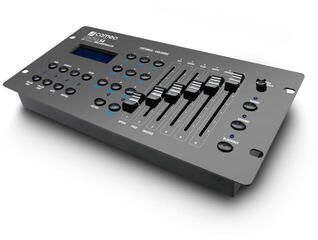
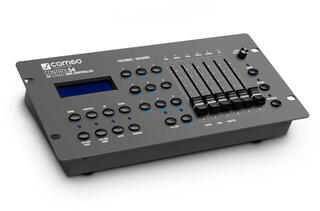
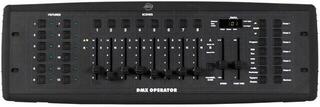
| Lighting consoles | Lighting shows, scenes and sequences via DMX | The number of channels must be sufficient for all lights |
| Dimmer units | Smooth brightness control of conventional lights | Check the number of channels and power per channel |
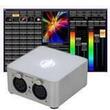
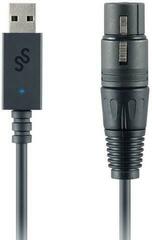
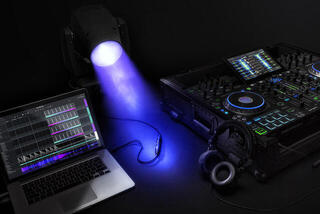
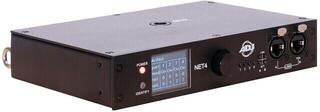
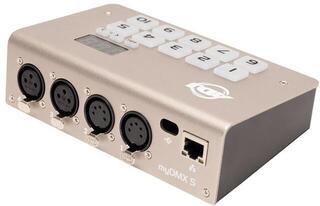
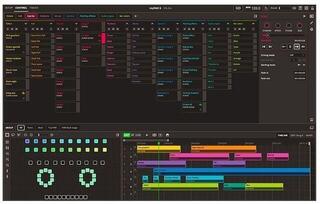
| DMX interfaces and software | Controlling lights from a computer or through an interface | Compatibility with the software and operating system |
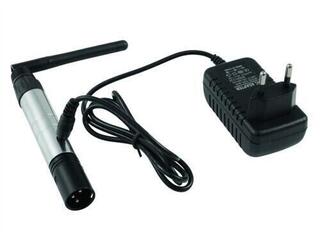
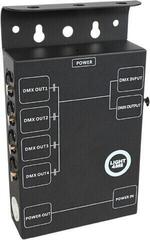
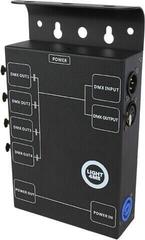
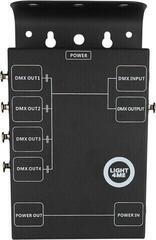
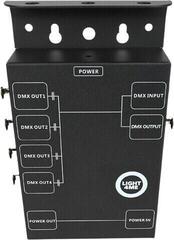
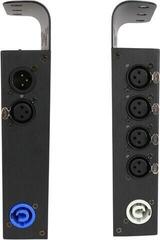
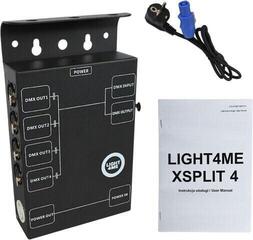
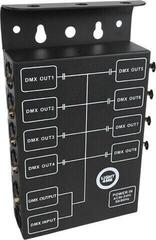
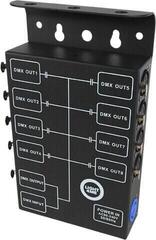
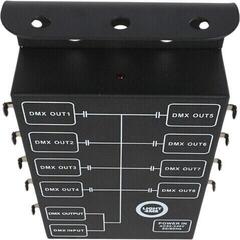
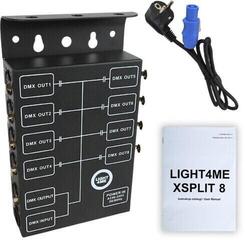
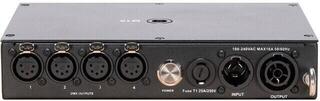
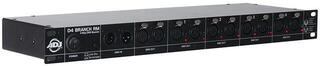
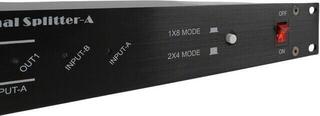
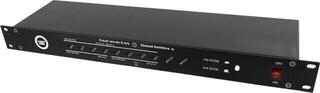
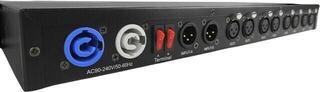
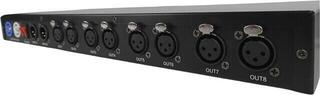
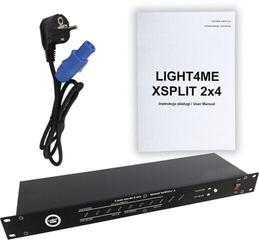
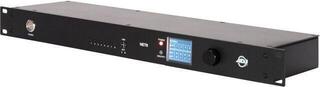
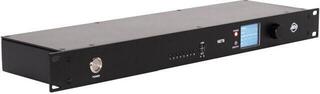
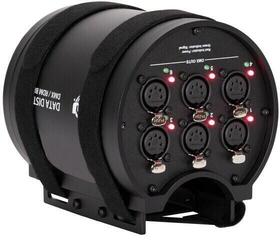
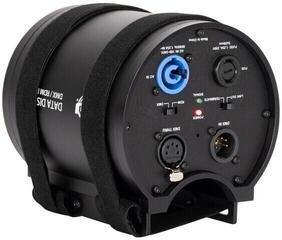
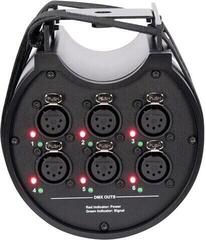
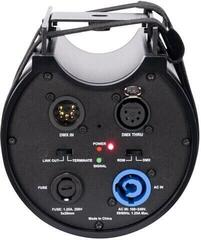
| Splitters and mergers | Distributing the DMX signal into several branches | Number of outputs and design type |
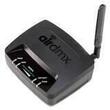
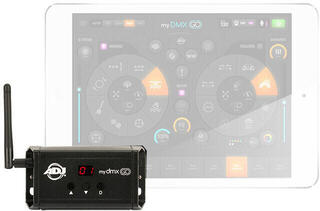
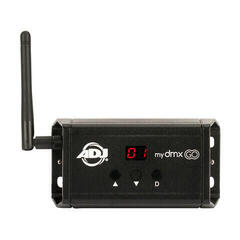
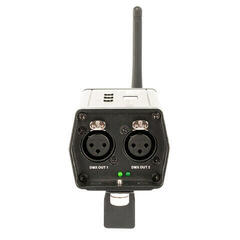
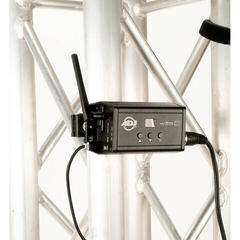
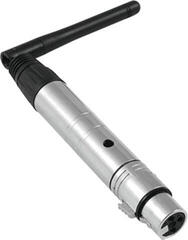
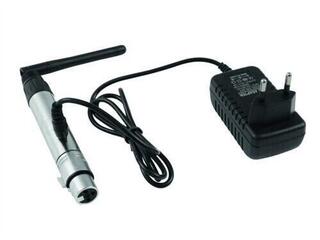
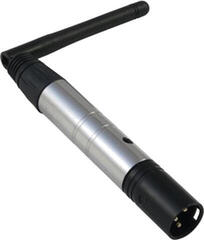
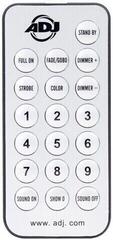
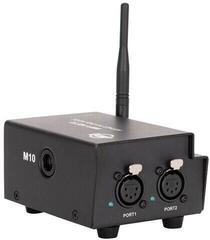
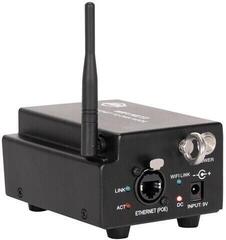
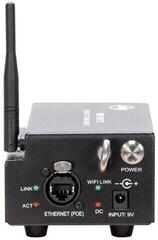
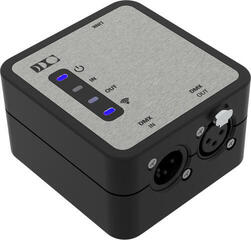
| Wireless lighting control | Cable-free control within the system's range | Range and compatibility with the transmitter and receiver |
Dimmers and consoles are often combined: the console sends a DMX signal and the dimmer regulates power for conventional lights. Modern LED lights often have built-in dimming, so you only need to control them directly via their DMX address.
How do you determine what you need?
First list all your lights and find out how many DMX channels each one uses. For larger setups, choose a controller with sufficient spare channel capacity. If you want to change the lights with the music or save scenes, look for a console with scene memory and the ability to trigger sequences.
Cables, addresses and connections
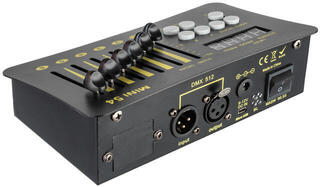
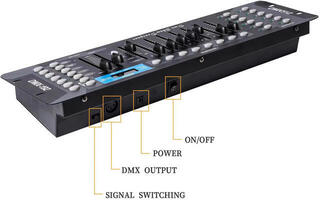
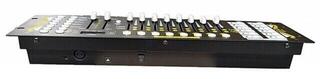
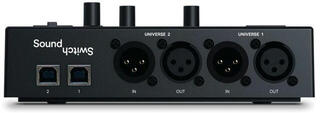
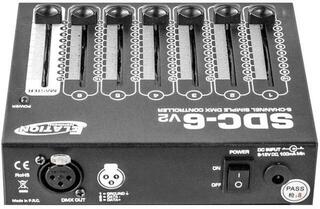
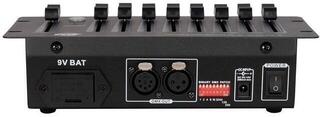
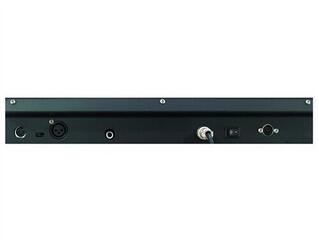
You daisy-chain DMX lights using a cable, and each light has its own DMX address. Check that the controller has the correct connector, most commonly 3-pin or 5-pin XLR, and that you have chosen a cable of sufficient length. For longer runs or a large number of lights, it is worth splitting the signal.
What to check before buying
- The number of DMX channels the controller can handle.
- The number of outputs and connector types.
- The option to save scenes and launch programs.
- Computer connection via USB or MIDI if you need it.
- The design, whether it is a desktop or rack-mounted model.