 Albania
 Argentina
 Australia
 Austria
 Belgium
 Bosnia and Herzegovina
 Brazil
 Bulgaria
 Canada
 Chile
Chile
 Colombia
 Croatia
 Czech Republic
 Denmark
 Estonia
 Finland
 France
 Germany
 Greece
 Hungary
 Ireland
 Italy
Italy
 Latvia
 Lithuania
 Luxembourg
 Mexico
 Moldova
 Montenegro
 Netherlands
 New Zealand
 North Macedonia
 Norway
 Philippines
 Poland
 Portugal
 Romania
 Serbia
 Slovakia
 Slovenia
 South Africa
 Spain
Spain
 Sweden
 Switzerland
 Turkey
 Ukraine
 United Kingdom
 United States of America



Microphones
Microphones differ not only by price, but mainly by the voice, instrument or environment they are made for. Before choosing, decide whether you will record at home, perform live, stream, shoot video or amplify a room. Then check the connection type, resistance to surrounding noise, polar pattern and accessories you will need from the start. This category helps you choose the right direction before you compare individual models.
How to choose a microphone by use
Vocals and live performances
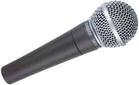
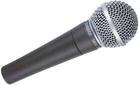
For singing, rehearsals and stage use, the most practical choice is usually a durable microphone that handles higher sound pressure and picks up less surrounding noise. That is why live sound often starts with dynamic microphones. If you need freedom of movement for a singer, presenter or band, also look at wireless systems. On stage, also plan for a stand, suitable cable and protection against handling noise or wind.
Podcast, stream and PC
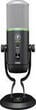
If you want to speak into a computer without extra equipment, the simplest route is through USB microphones. You plug them directly into a laptop or desktop computer and can quickly start recording voice, streaming or making calls. For regular interviews, online content and spoken word, podcast microphones are also useful because they often work well with a stable mount, pop filter and adjustable distance from the mouth. If you plan to add more microphones or an external mixer later, consider an XLR setup.
Home studio and instruments
For detailed recording of vocals, acoustic guitar, piano or strings, condenser microphones are often used. They can capture fine nuances, but they are also more sensitive to room reflections, computer noise and poor placement. In a home studio, also think about a quiet position, stand, pop filter and connection through an audio interface or mixer. For loud sources, guitar amplifiers or some wind instruments, a dynamic microphone may be more practical.
Camera, mobile and reporting
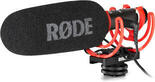
For video, it is important that the microphone captures sound from the required direction and does not take in too much surrounding noise. For a camera, vlog, interview or report, choose video microphones that can be mounted on a camera, recorder or used in the field. If you record outdoors, wind protection is often just as important as the microphone itself. We do not link unverified smartphone branches here, so for mobile use choose according to the compatibility of the exact model and connector.
Conferences, installations and drums
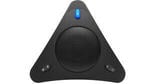
For a meeting room, lecture hall or fixed installation, microphones that capture speech well and can be placed on a table, stand or lectern are suitable. In that case, continue to conference microphones. Drums have different requirements: you need to handle the high volume of the kick drum, snare and cymbals, often with several microphones at once. For that purpose, use microphones for drums and percussion.
Basic differences worth knowing
A dynamic microphone is usually robust, handles loud sources well and is more forgiving in imperfect rooms. A condenser microphone is generally more sensitive and detailed, but often needs phantom power and a quieter environment. A USB microphone is convenient for one creator at a computer, while an XLR microphone gives more flexibility with a mixer, audio interface or several inputs. The polar pattern defines where the microphone picks up sound most strongly: a cardioid pattern suits one voice from the front, while wider or special patterns are chosen according to the room, interview format and placement.
Accessories that affect the final sound
Even a good microphone can sound worse if you hold it in the wrong position or use unsuitable accessories. In microphone accessories, you will find add-ons that solve stability, noise, plosive consonants and power. Microphone stands help keep the right distance from the mouth or instrument, microphone cables ensure reliable connection and pop filters soften air blasts on p and b sounds. For outdoor recording or camera work, wind protection is useful. If you use a condenser XLR microphone and your device does not provide power, see phantom power supplies.
Where to continue in the Microphones category
If you are not sure, start with the situation rather than technical parameters. This will get you faster to microphones that match the way you work.
| Situation | Recommended branch | Why |
|---|---|---|
| Vocals, rehearsal room, concert | Dynamic microphones | Durability, lower sensitivity to noise and good control on stage. |
| Vocals and instruments in the studio | Condenser microphones | More detailed recording in a quieter environment with the right power. |
| Podcast, stream, spoken word at a PC | Podcast microphones or USB microphones | Simple connection and practical solutions for close voice recording. |
| Video, vlog, field interview | Video microphones | Better direction of sound toward the camera or reporting use. |
| Meeting room and lectures | Conference microphones | Practical placement for speech, discussion and fixed installations. |
| Drums and percussion | Microphones for drums and percussion | Solutions adapted to loud sources and several parts of the kit. |
| Missing stand, cable or filter | Microphone accessories | Accessories often decide the stability, cleanliness and usability of a recording. |
Microphones for beginners
Deals Microphones
Unboxed: Microphones
Bundles: Microphones
Dynamic Microphones

Condenser Microphones

USB Microphones

Podcast microphones
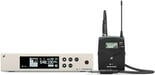
Wireless Systems
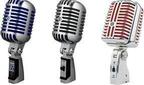
Retro Microphones
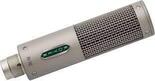
Ribbon Microphones

Small diaphragm condenser microphones

Drum Microphones
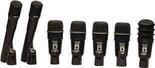
Microphone Sets for Drums
Conference microphones

Microphones for reporters
Video microphones

PC Microphones

Microphones for Smartphone
Measurement Microphones
Installations microphones
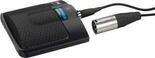
Boundary microphones
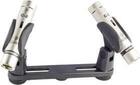
Stereo Microphones
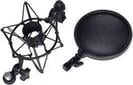
Microphone Accessories
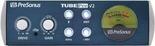
Microphone Preamps
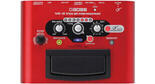
Voice Processors
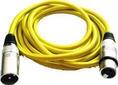
Microphone Cables
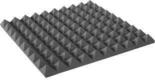
Studio Acoustic Elements

Microphone Capsules
Popular Brands