Albania
 Argentina
 Australia
 Austria
 Belgium
 Bosnia and Herzegovina
 Brazil
 Bulgaria
 Canada
 Chile
 Colombia
 Croatia
 Czech Republic
 Denmark
 Estonia
 Finland
 France
 Germany
 Greece
 Hungary
 Ireland
 Italy
 Latvia
 Lithuania
 Luxembourg
 Mexico
 Moldova
 Montenegro
 Netherlands
 New Zealand
 North Macedonia
 Norway
 Philippines
 Poland
 Portugal
 Romania
 Serbia
 Slovakia
 Slovenia
 South Africa
 Spain
 Sweden
 Switzerland
 Turkey
 Ukraine
 United Kingdom
 United States of America


Modelling and Resin Art
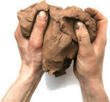
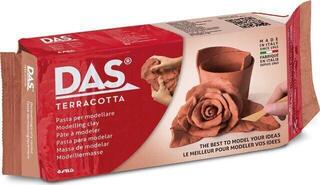
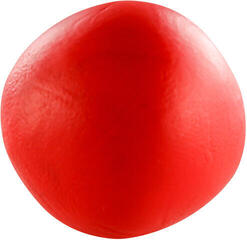
Modelling and Resin Art brings together materials you shape by hand and resin you pour into a mould. Here you will find Cernit and Rosa polymer clays that harden in the oven, Jovi, Darwi, DAS and KOH-I-NOOR air-drying clays that harden in the air, and plasticine for children and sculptors. For casting, there is two-component Pébéo Gédéo crystal resin and modelling plaster. These are complemented by tools and accessories: modelling tools, cutters, texture tools, clay extruders and a sculptor's stand.
Which modelling material is right for each project?
The main difference between these materials is how they harden. This determines whether you need an oven, a pottery kiln or just patience.
| Material | How it hardens | What it is suitable for |
|---|---|---|
| Polymer clay | with heat in a domestic oven | jewellery, figurines, miniatures |
| Air-drying clay | in the air, usually within 24 to 48 hours | decorations, reliefs, first sculptures |
| Plasticine | does not harden and can be reshaped | children's play, experimenting with shapes, sculptural models |
| Pébéo pottery clay | by firing in a pottery kiln | pottery and sculptures |
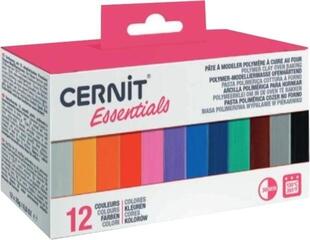
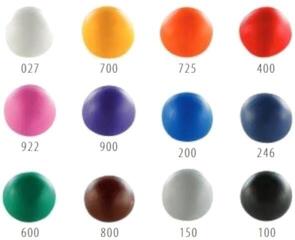
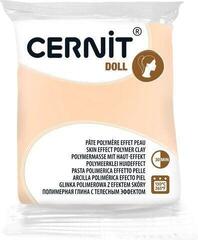
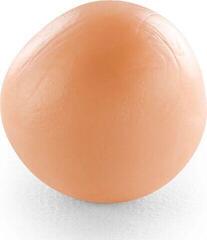
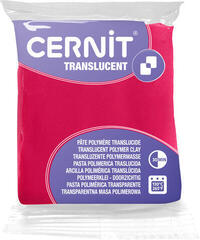
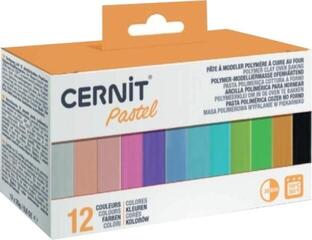
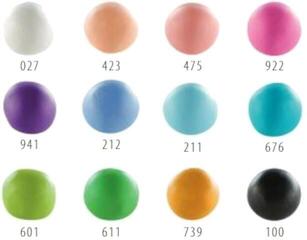
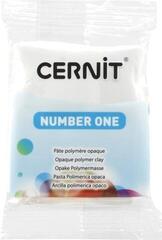
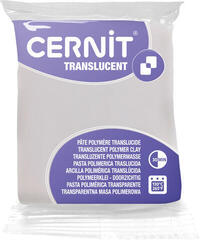
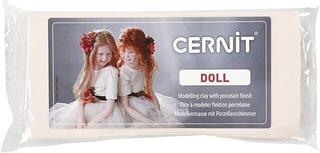
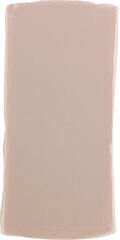
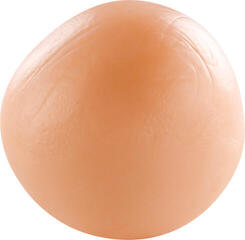
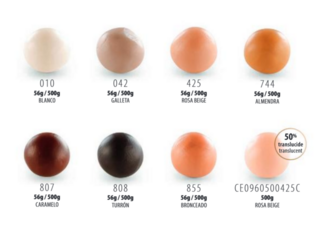
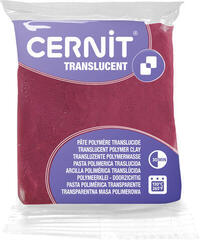
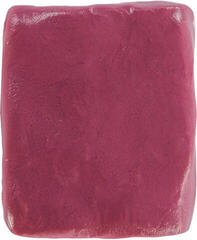
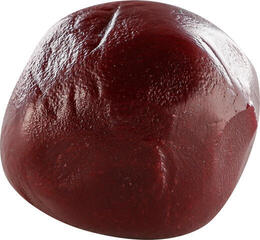
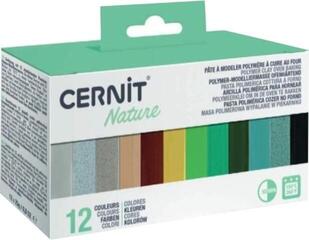
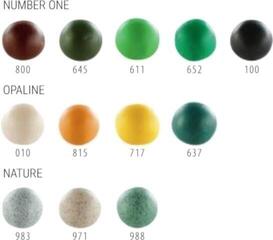
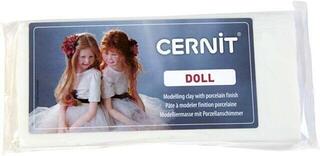
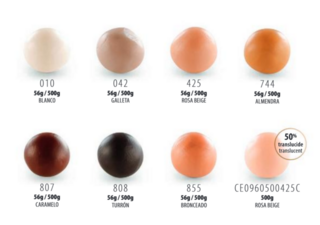
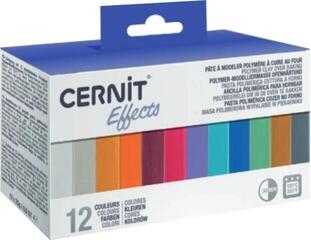
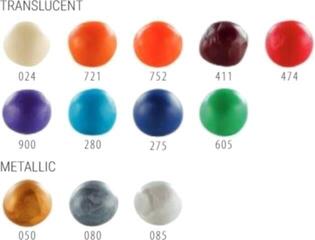
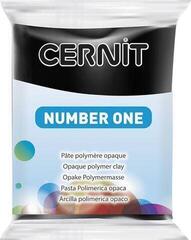
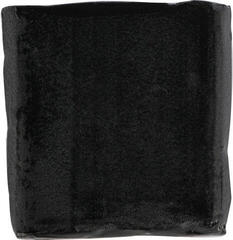
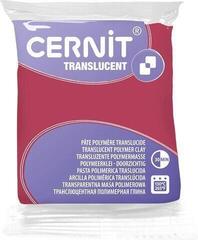
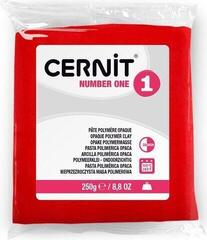
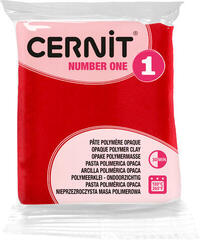
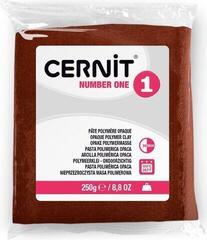
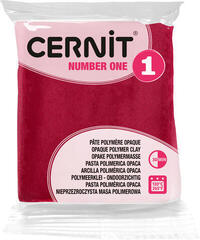
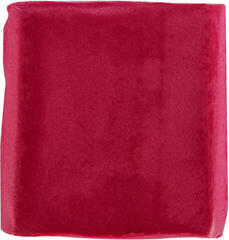
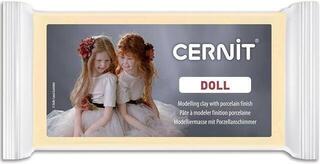
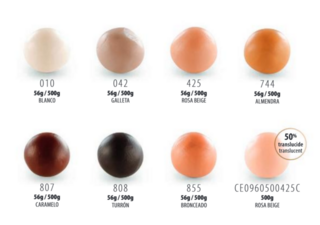
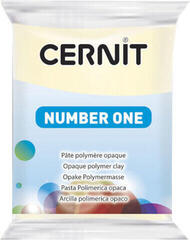
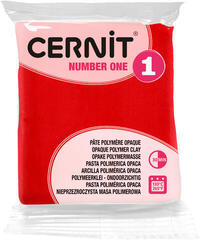
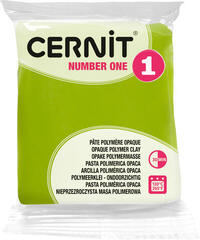
Polymer clay stays soft until you put it in the oven; during baking it polymerises and hardens permanently. Cernit makes it in ranges with different appearances: Number One is opaque, Translucent is translucent, and Doll has skin tones for dolls and figurines. To try out colours, there are sets of 12 pieces (Basic, Pastel, Effects), while Rosa also offers small 20 g packs. Follow the temperature and baking time on the packaging; for Cernit clay, the manufacturer specifies 110 to 130 °C for no more than 30 minutes.
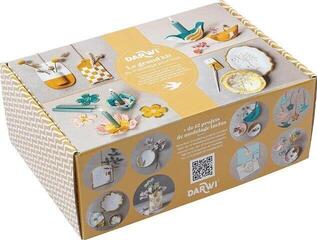
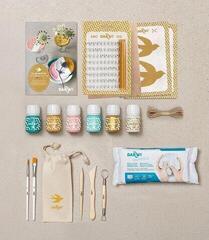
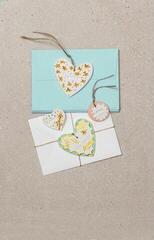
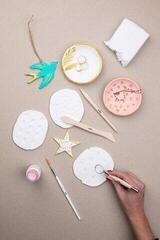
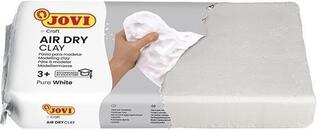
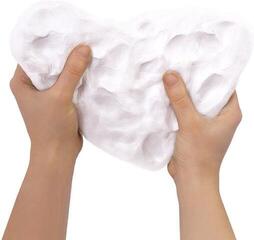
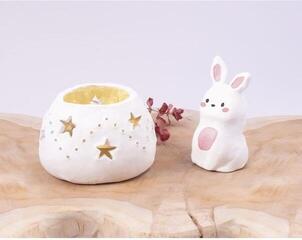
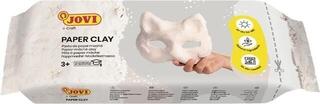
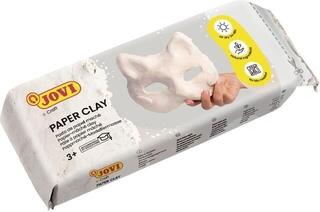
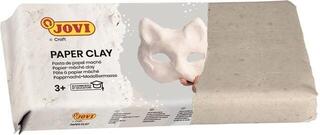
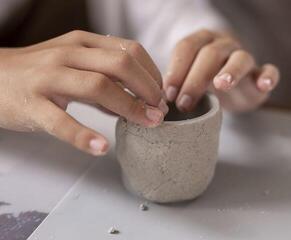
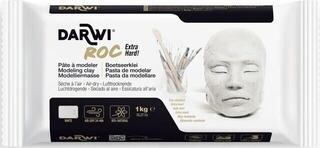
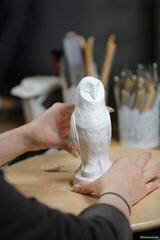
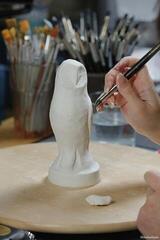
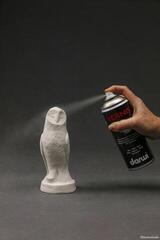
Air-drying clay needs neither an oven nor a kiln. After shaping it, you leave it to dry in the air; Jovi clay usually takes 24 to 48 hours depending on its thickness. You can sand, paint, glue and varnish the dry piece, and the varnish protects it from water. Darwi also sells clay in a school pack of 4 × 1 kg, DAS has a version with a wood effect, and you can cut Jovi Paper Clay with scissors once it is dry. All types are brought together in the Modelling Clay category.
Which clay should you give children, and which suits a sculptor?
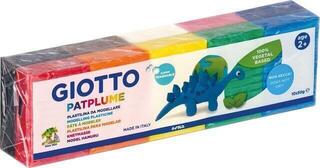
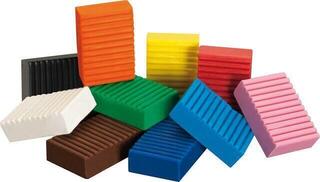
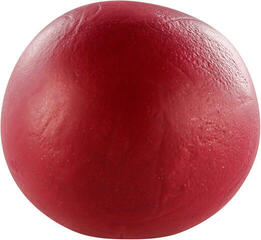
Plasticine does not dry out, so children can model with it again and again. Soft GIOTTO plasticine is for the youngest children, while older children can play with Jovi and DOMS sets that include moulds, a roller or a cutter alongside the colours. KOH-I-NOOR sets with 10 or 20 sticks are suitable for art lessons.
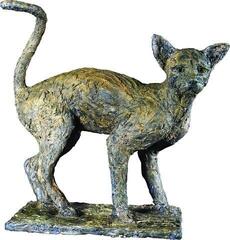
Professional Plastiline plasticine is sold in hardness grades 30, 40 and 50; the higher the number, the firmer it is and the better it holds fine details. Sculptors use it for sculptures, reliefs, restoration work and models from which a mould is later made. KOH-I-NOOR offers modelling clay for sculptors in 1 kg packs.
Resin or plaster: what should you use to cast a shape?
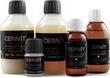
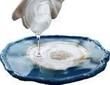
In casting, the mould gives the piece its shape rather than your hand. Pébéo Gédéo crystal resin has two components: mix them exactly as instructed, pour the mixture into a silicone mould, and once it has cured you get a transparent object in which you can embed small items. The resin comes in 150 g, 300 g and 750 g packs as well as sets; you can find the full range in the Resin Art category.
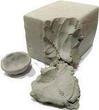
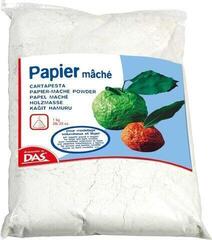
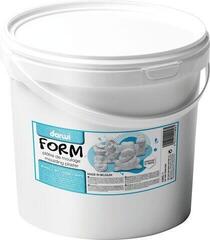
Plaster is another way to make a cast: mix the powder with water and pour the mixture into a mould. Darwi modelling plaster in 3 kg and 10 kg packs and DAS plaster powder are suitable for casts from latex or silicone moulds, masks, impressions and reliefs.
Which tools will make your work easier?
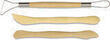
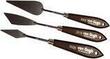
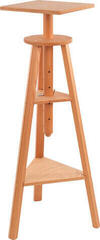
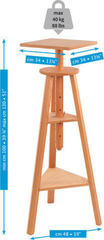
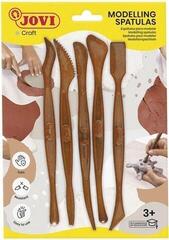
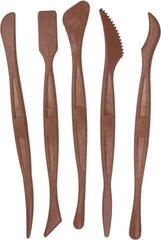
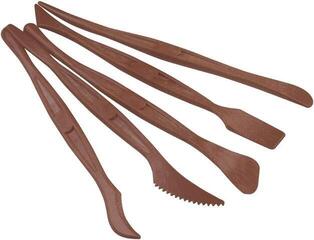
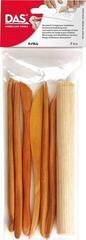
Choose your tools according to what you are doing with the clay. A roller flattens it into an even sheet, cutters cut matching shapes from it, and Cernit texture plates press a pattern into the surface. A Jovi clay extruder makes cords and strips from soft clay, while wooden and wire tools from Knorr Prandell or Meyco are used for details such as a figurine's eyes or folds in fabric. For a larger sculpture, the Mabef sculptor's stand made from beech wood is useful: its height adjusts from 1 to 1.3 metres, and the rotating worktop measures 34 × 34 cm and supports up to 40 kg.