Albania
 Argentina
 Australia
 Austria
 Belgium
 Bosnia and Herzegovina
 Brazil
 Bulgaria
 Canada
 Chile
 Colombia
 Croatia
 Czech Republic
 Denmark
 Estonia
 Finland
 France
 Germany
 Greece
 Hungary
 Ireland
 Italy
 Latvia
 Lithuania
 Luxembourg
 Mexico
 Moldova
 Montenegro
 Netherlands
 New Zealand
 North Macedonia
 Norway
 Philippines
 Poland
 Portugal
 Romania
 Serbia
 Slovakia
 Slovenia
 South Africa
 Spain
 Sweden
 Switzerland
 Turkey
 Ukraine
 United Kingdom
 United States of America


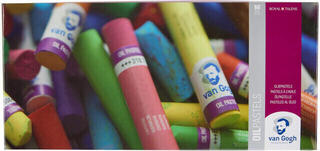
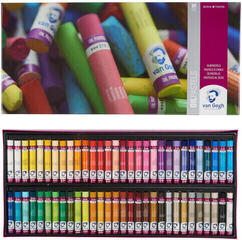
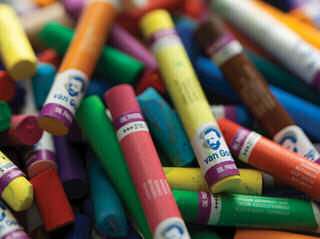
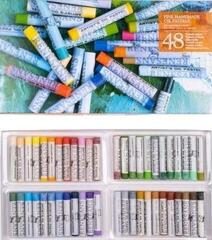
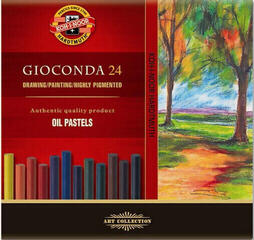
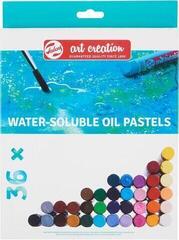
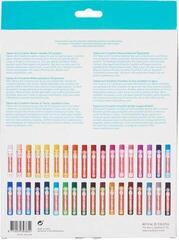
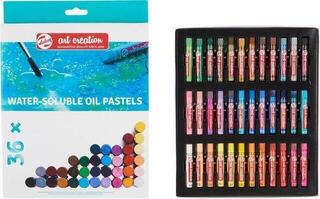
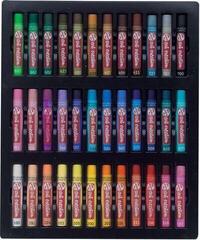
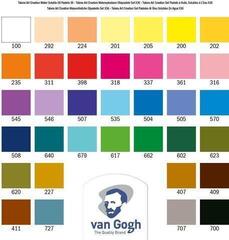
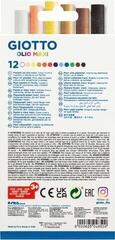
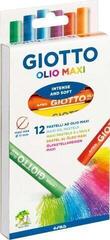
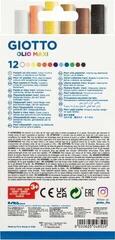
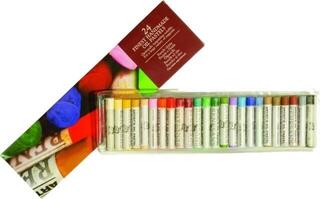
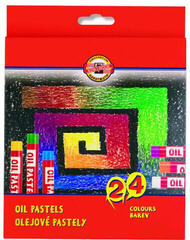
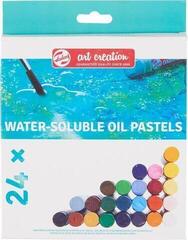
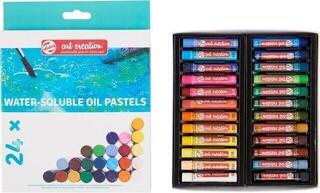
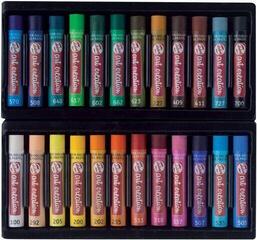
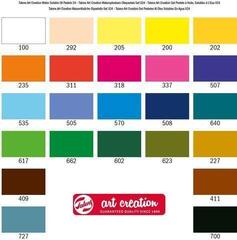
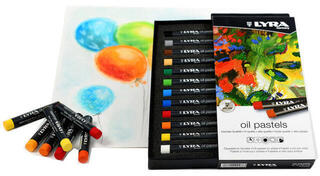
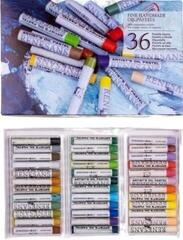
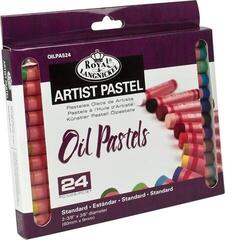
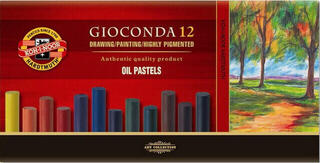
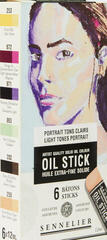
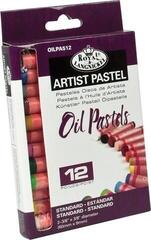
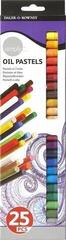
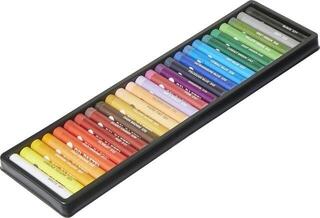
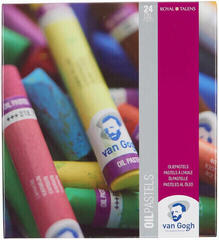
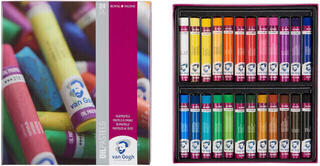
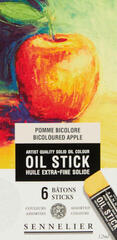
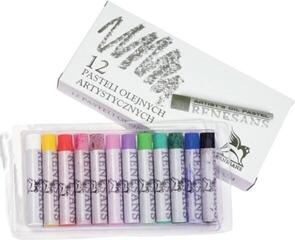
Oil Pastels
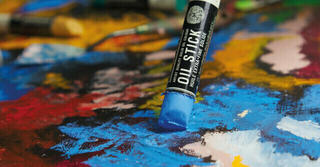
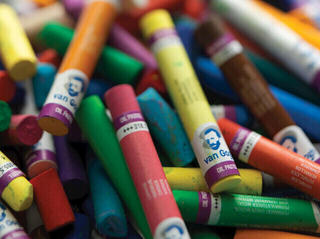
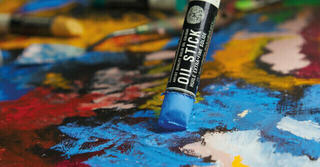
Oil pastel leaves a rich, oily mark that produces no dust and remains workable for a long time. It can be layered, blended with pressure, and scratched back, but does not behave like soft pastel. The softness of the stick affects coverage and edge precision. The support must withstand both pressure and the amount of binder.
Mark, layer, and detail
- A soft pastel quickly creates a solid area of color.
- A firmer stick provides better control over contours.
- A narrow shape makes smaller details easier; a thick one covers a larger format.
Blend colors first through light layering and add pressure only at the end. A layer that is too thick too early limits additional shades.
Sgraffito and blending
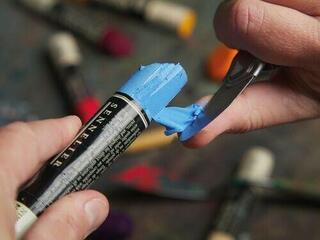
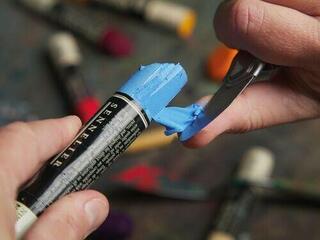
For sgraffito, cover the lower shade with another color and scratch through the upper layer using a safe, blunt tool. Use a solvent only if it is suitable for the specific pastel, paper, and working environment. A test on a scrap will show whether the support warps or becomes greasy.
Difference from soft pastel
Soft Pastels create a dusty, velvety layer and require textured paper. Oil pastel is oilier, produces no dust, and requires finished sheets to be separated so the surface does not transfer. You can find both options in the parent Pastels category.
Storage without transfer
Separate sticks by color and protect them from heat. Cover the finished artwork with a suitable smooth layer or frame it so the painting does not touch the glass. Do not wipe the surface with an ordinary cloth.