Albania
 Argentina
 Australia
 Austria
 Belgium
 Bosnia and Herzegovina
 Brazil
 Bulgaria
 Canada
 Chile
 Colombia
 Croatia
 Czech Republic
 Denmark
 Estonia
 Finland
 France
 Germany
 Greece
 Hungary
 Ireland
 Italy
 Latvia
 Lithuania
 Luxembourg
 Mexico
 Moldova
 Montenegro
 Netherlands
 New Zealand
 North Macedonia
 Norway
 Philippines
 Poland
 Portugal
 Romania
 Serbia
 Slovakia
 Slovenia
 South Africa
 Spain
 Sweden
 Switzerland
 Turkey
 Ukraine
 United Kingdom
 United States of America


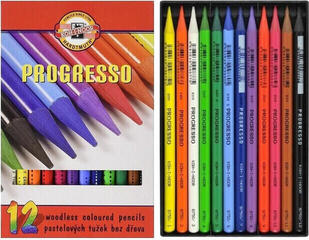
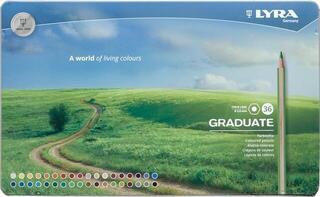
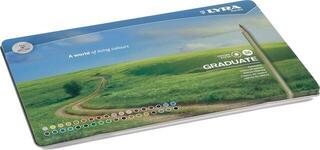
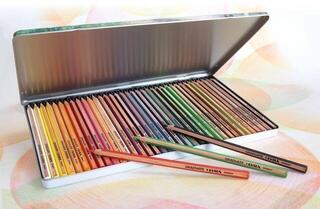
Pastel and Colored Pencils
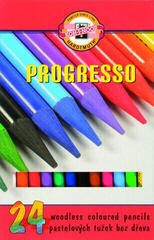
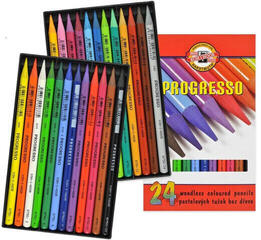
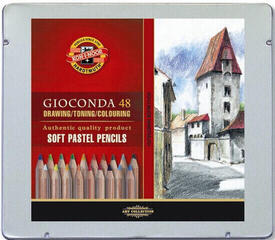
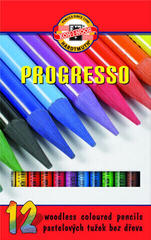
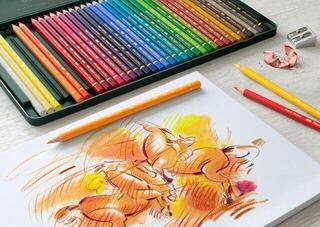
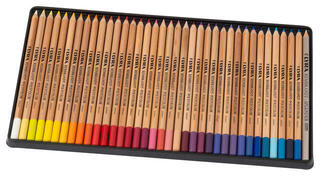
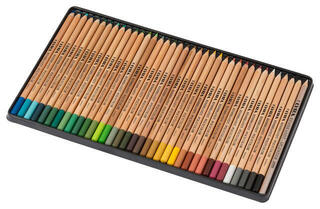
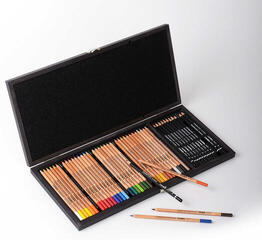
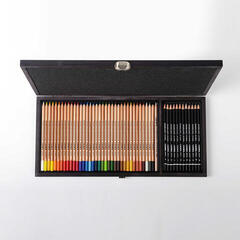
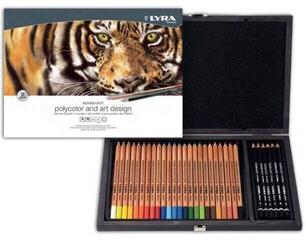
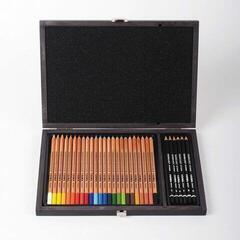
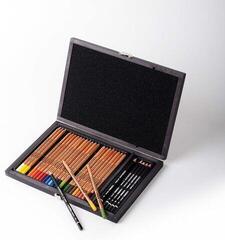
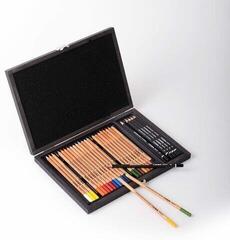
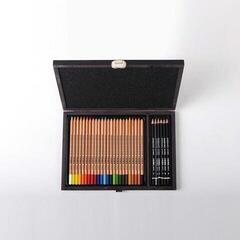
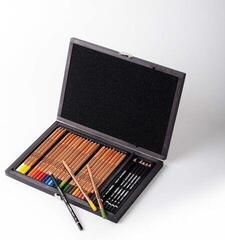
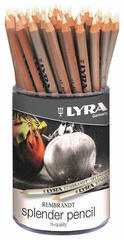
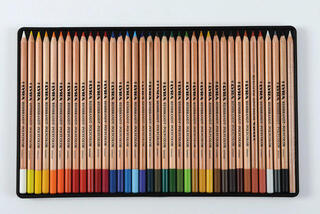
A pastel pencil combines soft pigment with the precision of a wooden casing. It is suitable for eyes, fur, botanical details, and sharp edges in soft pastel drawings. The core is generally more fragile than that of a regular colored pencil. Softness, saturation, diameter, and the option to purchase individual shades affect the choice.
Details versus areas of color
- A pastel pencil draws controlled lines and fine textures.
- Soft pastel covers a larger area more quickly.
- Hard pastel helps with construction and initial layers.
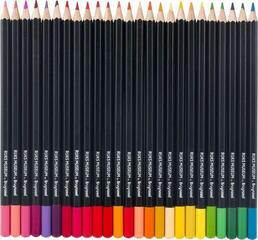
- A wax- or oil-based colored pencil produces less dust and blends differently.
Layering on textured paper
Begin with light pressure so the paper remains open for additional colors. Add dark details after the large areas. Overly smooth paper accepts fewer layers, while very coarse grain makes a continuous fine line more difficult.
Sharpening without breaking
Use a sharp blade or a sharpener suitable for fragile cores. Protect the pencil from impacts and check for internal damage if it repeatedly breaks. You can find a wider selection under Pencils.
Protecting the drawing
Separate the finished sheet with smooth paper and do not smudge the pigment with your palm. Test fixative first, as it may change the color and contrast.