 Albania
 Argentina
 Australia
 Austria
 Belgium
 Bosnia and Herzegovina
 Brazil
 Bulgaria
 Canada
 Chile
Chile
 Colombia
 Croatia
 Czech Republic
 Denmark
 Estonia
 Finland
 France
 Germany
 Greece
 Hungary
 Ireland
 Italy
Italy
 Latvia
 Lithuania
 Luxembourg
 Mexico
 Moldova
 Montenegro
 Netherlands
 New Zealand
 North Macedonia
 Norway
 Philippines
 Poland
 Portugal
 Romania
 Serbia
 Slovakia
 Slovenia
 South Africa
 Spain
Spain
 Sweden
 Switzerland
 Turkey
 Ukraine
 United Kingdom
 United States of America



Pickups for Basses | page 2
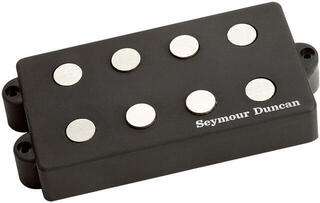
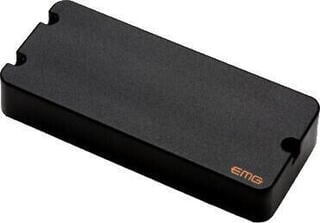
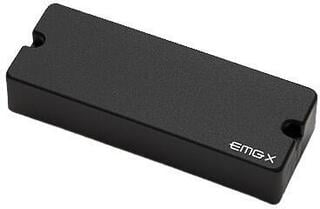
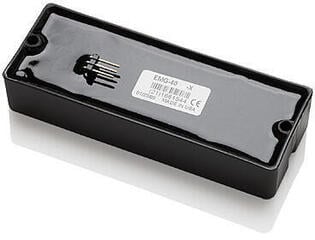
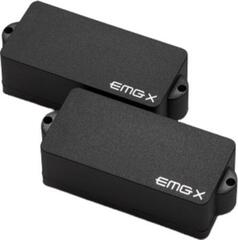
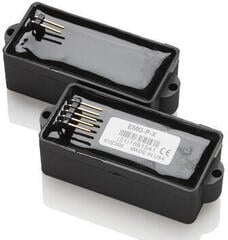
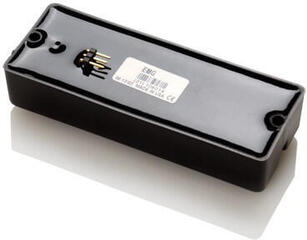
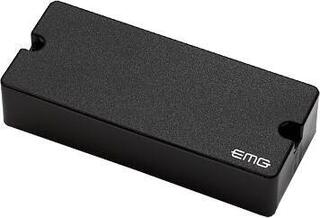
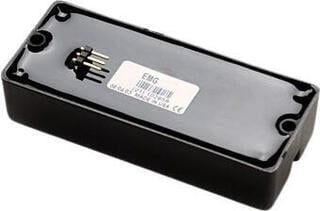
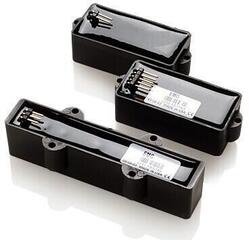
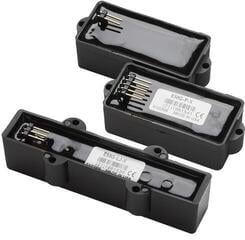
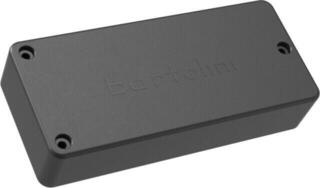
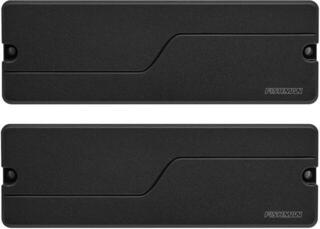
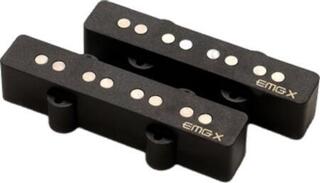
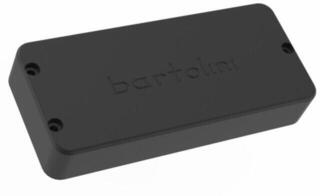
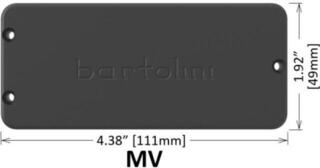
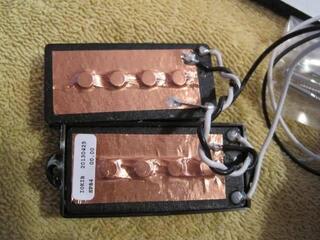
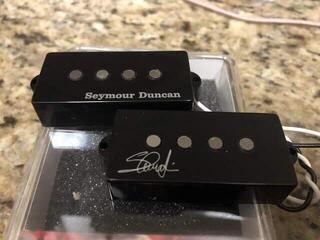
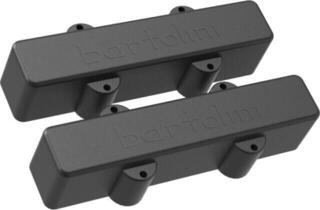
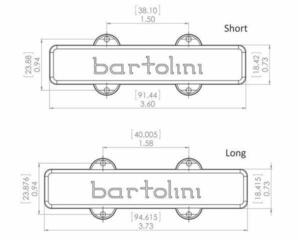
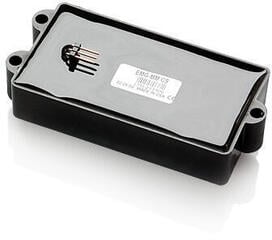
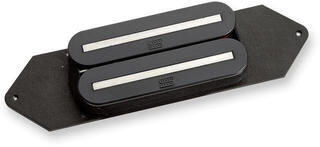
A bass pickup converts string vibrations into an electrical signal and has a major influence on the instrument’s tonal character. When replacing one, look not only for the sound you like but also for a design that suits the construction of your bass. The pickup and cavity dimensions, number of strings, pole-piece spacing and mounting method all matter. Even two pickups with a similar shape may not be interchangeable without modifications.
Pickup type and the sound you want
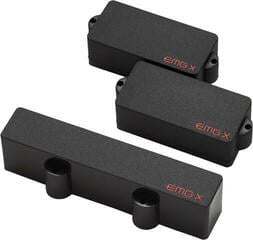
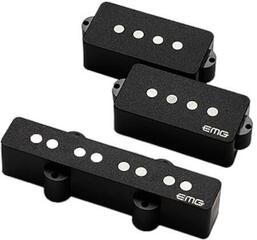
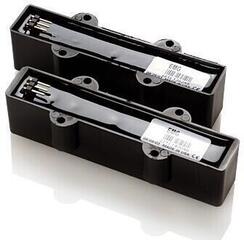
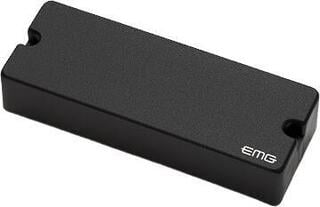
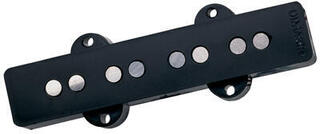
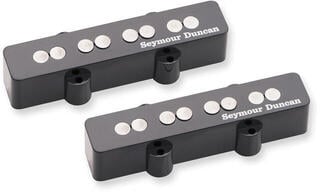
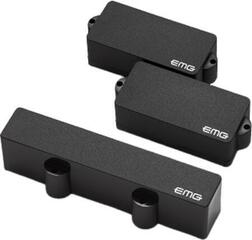
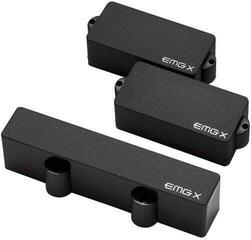
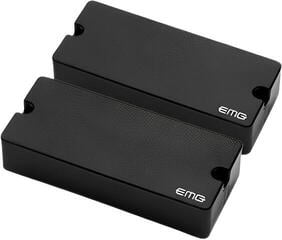
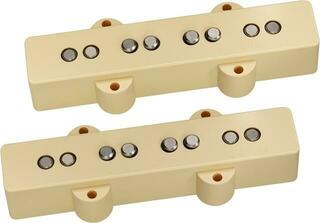
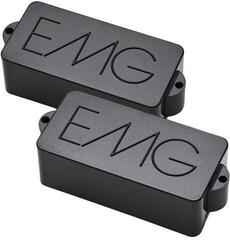
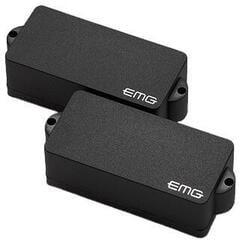
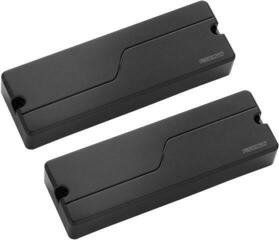
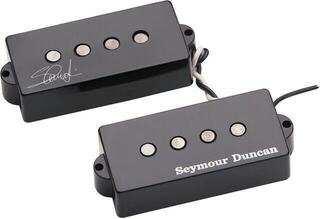
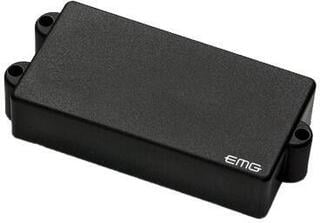
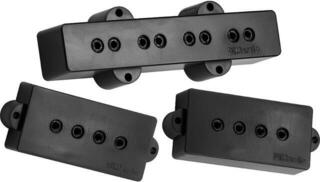
Your choice still depends on your playing style and preferred sound: one player may want a punchy rock tone, while another prefers a softer character for jazz lines. However, the labels P, J, MM and soapbar refer to more than sound. They also describe different constructions that can vary in size, mounting and wiring. If you are replacing both pickups, a ready-made set may be suitable; check its intended use and the position of each unit before ordering.
| Choice | What to check |
|---|---|
| P, J, MM or soapbar | Shape, exact dimensions, mounting-hole positions and compatibility with the instrument’s routing |
| 4- or 5-string version | Number of strings, pickup width and pole-piece alignment beneath the strings |
| Neck or bridge position | Specified position; pickups in the same set may not have identical dimensions |
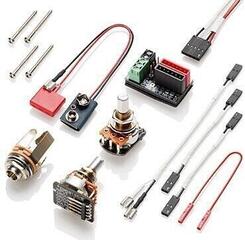
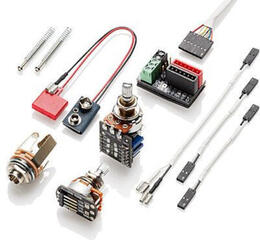
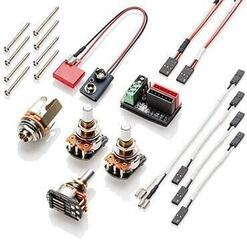
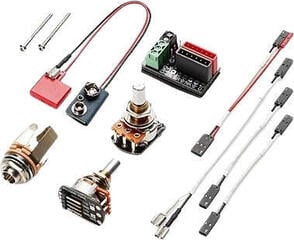
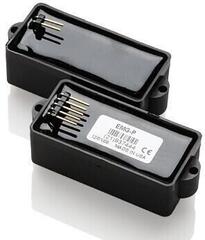
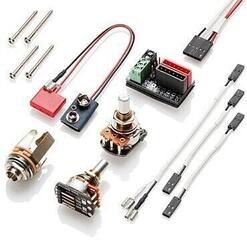
| Single pickup or set | Package contents, the connection between units and installation in the particular bass |
Passive or active pickup
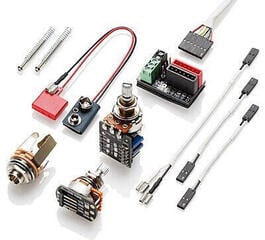
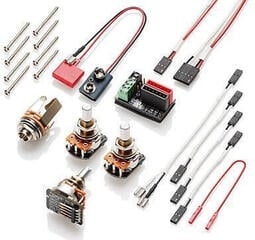
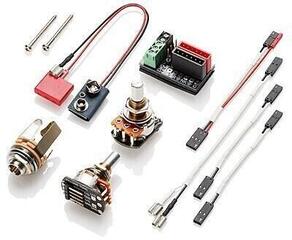
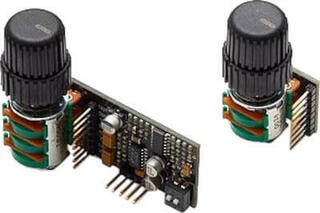
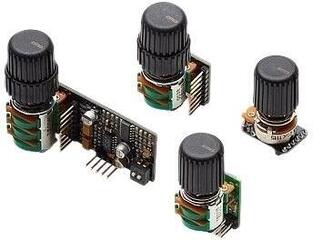
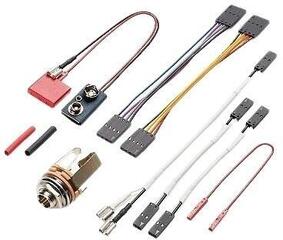
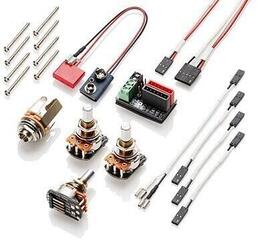
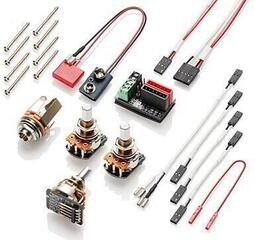
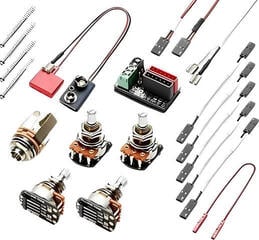
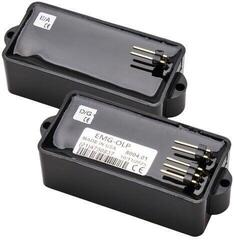
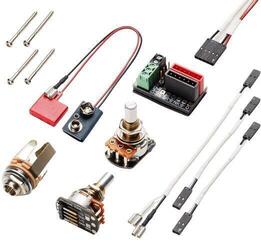
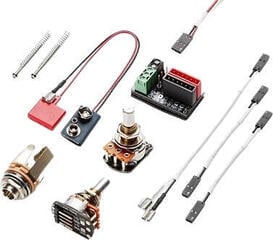
Passive and active pickups differ in their wiring and power requirements. An active model usually needs a battery and enough room for the associated electronics. The label “active bass” does not necessarily mean that its pickups are active — an instrument can combine passive pickups with an active preamp. Compare the wiring diagram and power requirements with the electronics in your instrument.
Magnet, position and installation
Magnet type is one of the features that affect a pickup’s response and final character, but it should not be judged separately from its construction and position. A neck pickup senses a different part of the string’s vibration than a bridge pickup, so follow the position specified by the manufacturer. Measure the available space before buying and compare all mounting details, not just the format name.
For a straightforward replacement, matching mounting and wiring may be enough. If the body cavity needs modification, the electronics need changing or wires must be soldered, professional installation is the safer option. If you are choosing an instrument rather than modifying one, browse the bass guitars category.