Albania
 Argentina
 Australia
 Austria
 Belgium
 Bosnia and Herzegovina
 Brazil
 Bulgaria
 Canada
 Chile
 Colombia
 Croatia
 Czech Republic
 Denmark
 Estonia
 Finland
 France
 Germany
 Greece
 Hungary
 Ireland
 Italy
 Latvia
 Lithuania
 Luxembourg
 Mexico
 Moldova
 Montenegro
 Netherlands
 New Zealand
 North Macedonia
 Norway
 Philippines
 Poland
 Portugal
 Romania
 Serbia
 Slovakia
 Slovenia
 South Africa
 Spain
 Sweden
 Switzerland
 Turkey
 Ukraine
 United Kingdom
 United States of America



Connectors
Connectors link instruments, microphones, amplifiers and other equipment into one signal chain. They differ in type, number of pins, design and use, so knowing the name is not enough when choosing one; you need to know exactly what your device uses. The category includes plugs and sockets for audio, speaker connections and power.
Which connector do you need?
| Connector type | Most common use | What to check |
|---|---|---|
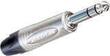
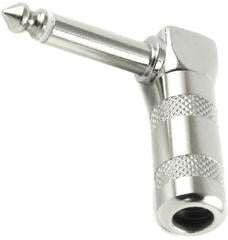
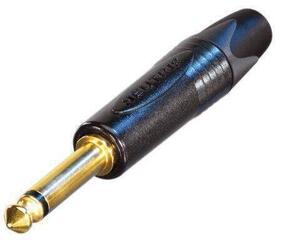
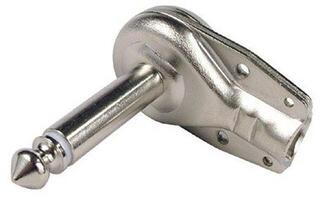
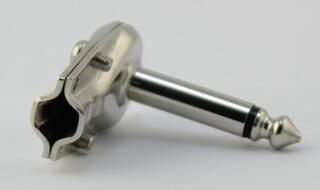
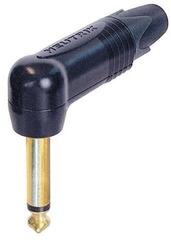
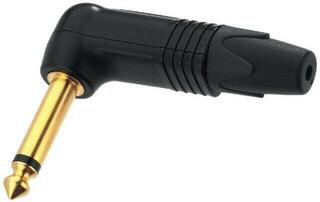
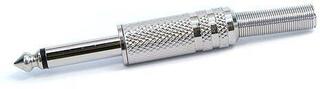
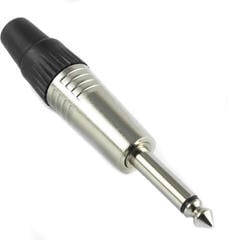
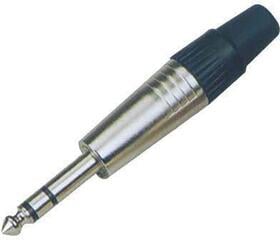
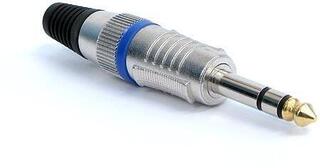
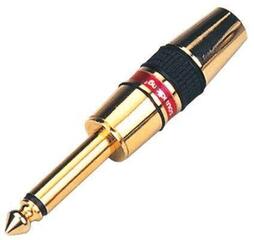
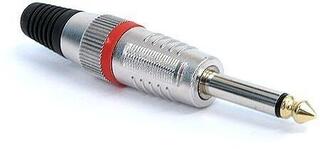
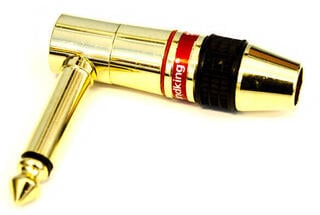
| 6.3 mm JACK | Guitars, basses, keyboards, effects | Mono or stereo and design (straight, angled) |
| 3.5 mm JACK | Headphones, mobile devices, smaller audio equipment | Mono or stereo and plug size |
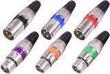
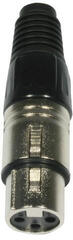
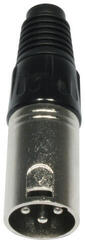
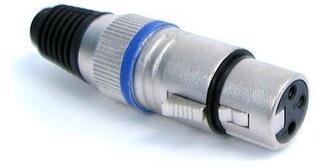
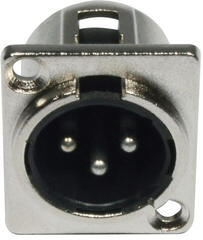
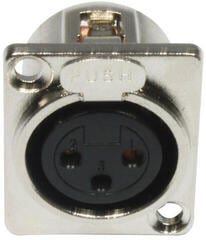
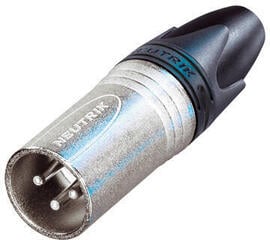
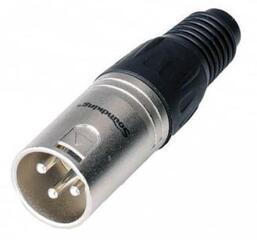
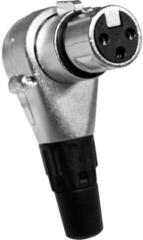
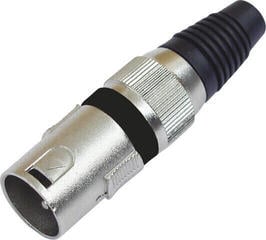
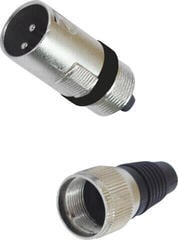
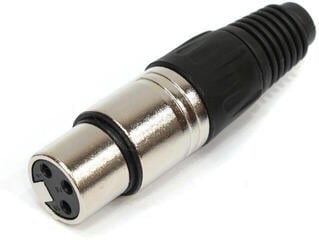
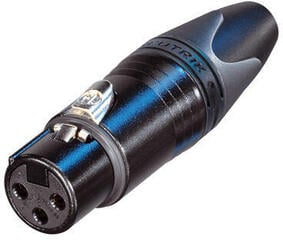
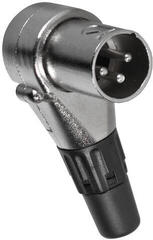
| XLR | Microphones and professional audio | Plug or socket and number of pins |
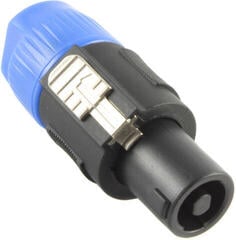
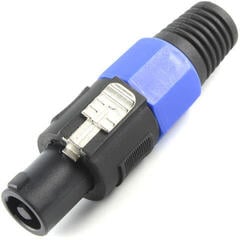
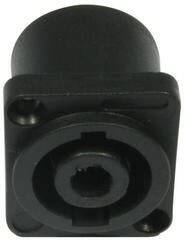
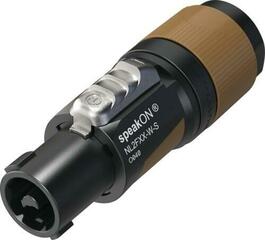
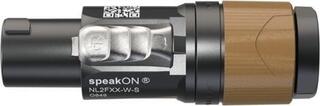
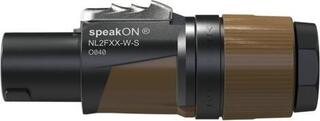
| SPEAKON | Speaker connections | Number of poles and load capacity |
| PowerCON | Powering equipment | Connector version and current rating |
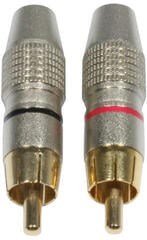
| RCA | Hi-Fi and consumer audio equipment | Design and contact |
Design and connection quality
Check whether you are fitting the connector to a cable, to a device panel or to an existing installation. For stage use, check the strength of the construction and the pull-out lock; a simpler design is sufficient at home. For permanent installation, also consider cable strain relief so the connection is not stressed when pulled. MINI XLR connectors are used with small devices where space is limited.
When to choose each connector
When connecting instruments and effects, you will most often encounter JACK connectors; microphones and mixing consoles use XLR, and high-power speakers use SPEAKON. PowerCON connectors handle equipment power, while RCA is used for Hi-Fi equipment. Choose the connector according to the device, not its appearance, and also check whether you will install it by screwing or soldering.
What to check before choosing
- The type and number of pins on the device to which you are connecting the connector.
- Design: plug or socket, straight or angled.
- The cable diameter the connector accepts.
- Load capacity for amplifiers and power connections.
- Metal or plastic body according to the intended use.
To create a quality connection, you can also use connector accessories, such as protective components and locks.