 Albania
 Argentina
 Australia
 Austria
 Belgium
 Bosnia and Herzegovina
 Brazil
 Bulgaria
 Canada
 Chile
Chile
 Colombia
 Croatia
 Czech Republic
 Denmark
 Estonia
 Finland
 France
 Germany
 Greece
 Hungary
 Ireland
 Italy
Italy
 Latvia
 Lithuania
 Luxembourg
 Mexico
 Moldova
 Montenegro
 Netherlands
 New Zealand
 North Macedonia
 Norway
 Philippines
 Poland
 Portugal
 Romania
 Serbia
 Slovakia
 Slovenia
 South Africa
 Spain
Spain
 Sweden
 Switzerland
 Turkey
 Ukraine
 United Kingdom
 United States of America



6 Essential tips for caring for your vinyl records
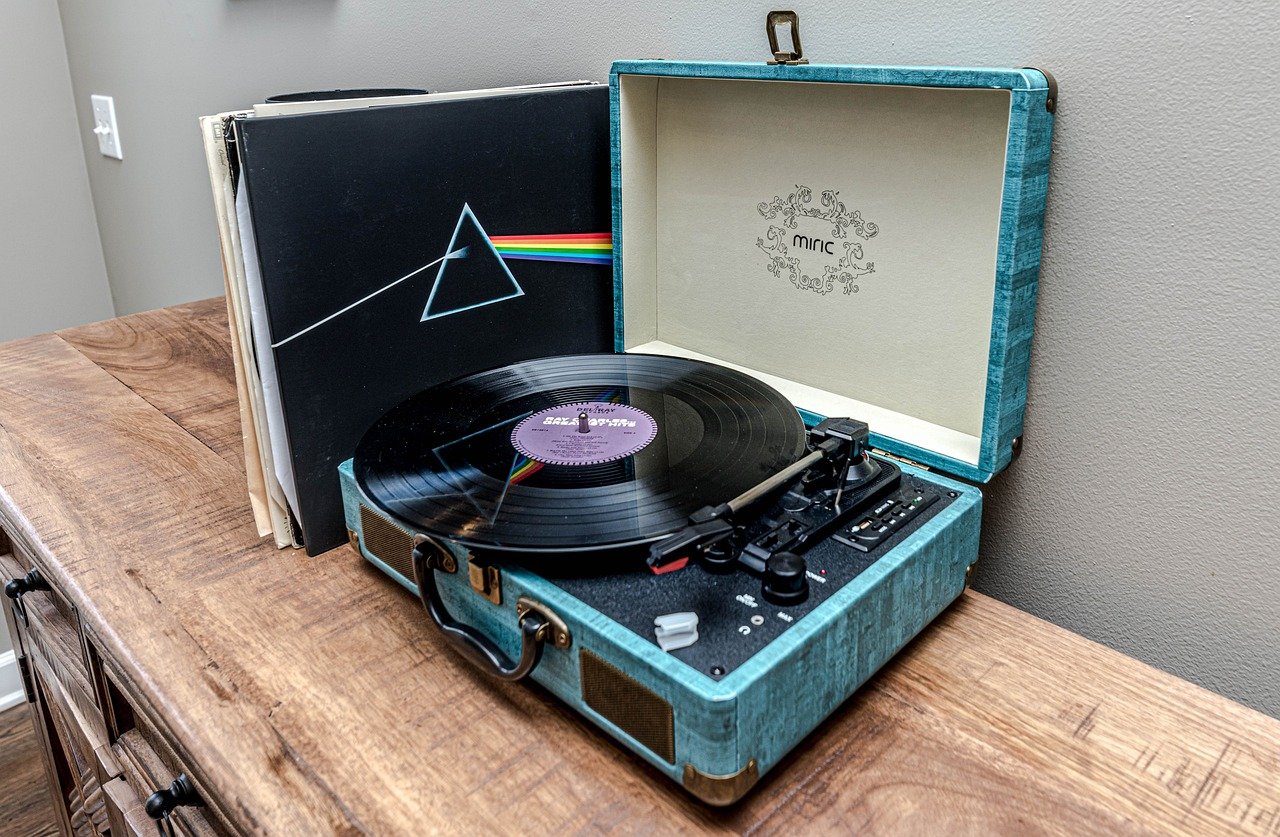
Vinyl records have been making a big comeback for a long time now, attracting not only seasoned collectors, but newcomers as well. However, their unique analogue sound, which is transmitted through microscopic grooves on the surface of the record, can only be fully enjoyed if they are properly cared for.
If you want to prevent damage to them, it is essential to follow the correct procedures for their storage, handling and maintenance. Heat, grease and dust are the biggest enemies of vinyl, but with the right precautions, you can keep your collection in perfect condition for years to come. We bring you recommendations to keep your LP records in great shape and extend their life.
1. Handling records
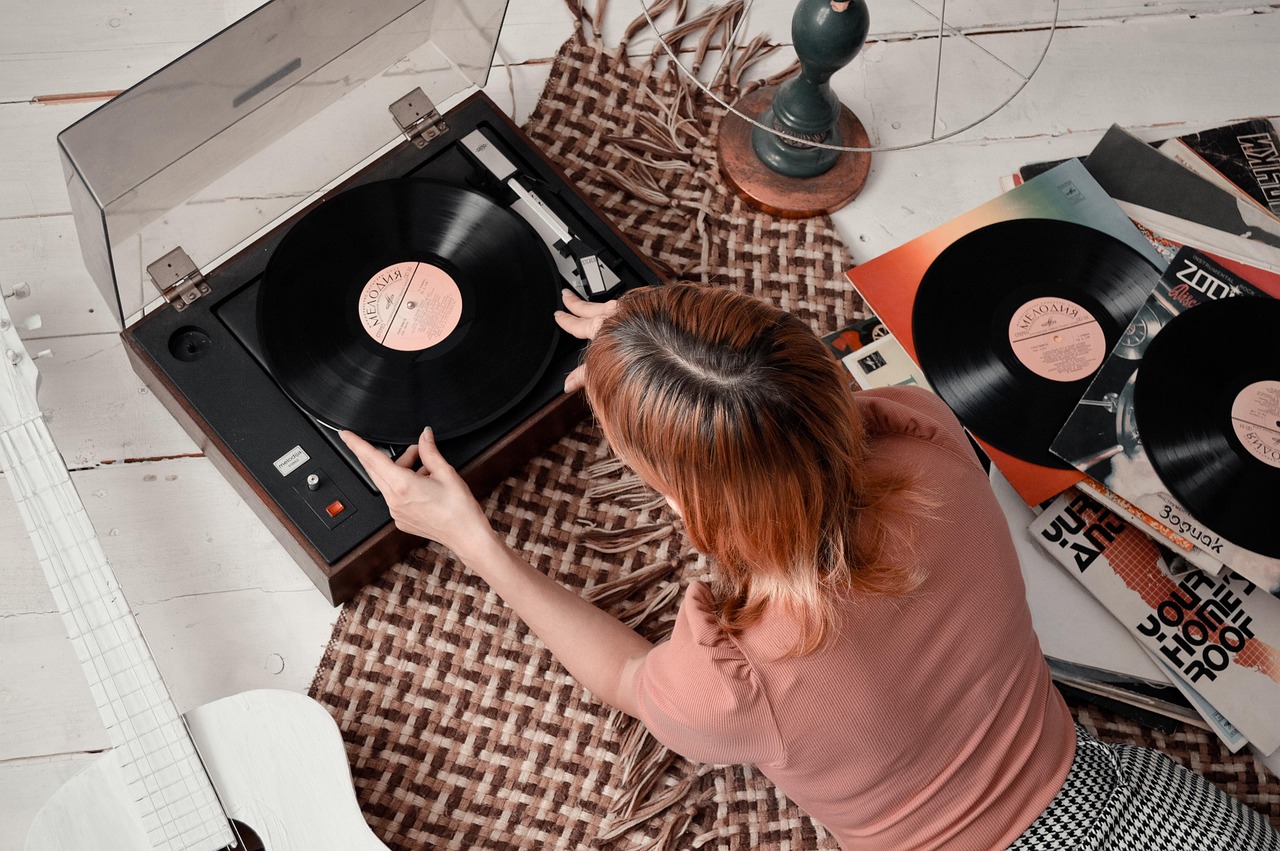
Every vinyl lover should know how to handle records properly so that they can enjoy them for as long as possible without any annoying sound defects.
- Always hold records by the edges or the center hole. Do not touch the playing surface or the grooves directly with your fingers to avoid leaving greasy fingerprints, which attract dust particles and can affect the sound (crackling and noise during playback).
- Handle them with care: avoid bending or dropping the record, as this could cause permanent damage.
- Before playing, check the condition of the LP record to make sure it is not damaged or too dirty.
- Use turntables with a balanced tone arm and correctly adjusted needle tracking force to prevent excessive wear on the grooves.
- Be careful when placing the needle on the record surface, as sudden movements could damage the record or cause the cartridge to skip.
- After playing the record, always return it to its protective sleeve to prevent unnecessary dust accumulation. Always remove and replace the record horizontally, taking care not to scratch it on the paper or cardboard sleeve.
Why do vinyl records have a thicker center?
Vinyl records are thicker in the center, which has both historical and practical significance. In the past, automatic turntables were used, which required a specific record design for smooth playback. Today, this detail has been retained to prevent damage to the grooves when the records are stacked on top of each other during pressing. This technical feature also helps in the manufacturing process itself – the thicker center prevents the records from shifting when stacked during packaging.
2. Proper storage
If you want your collection to last for years, it's worth treating it well – it will reward you with great sound even after a long time.
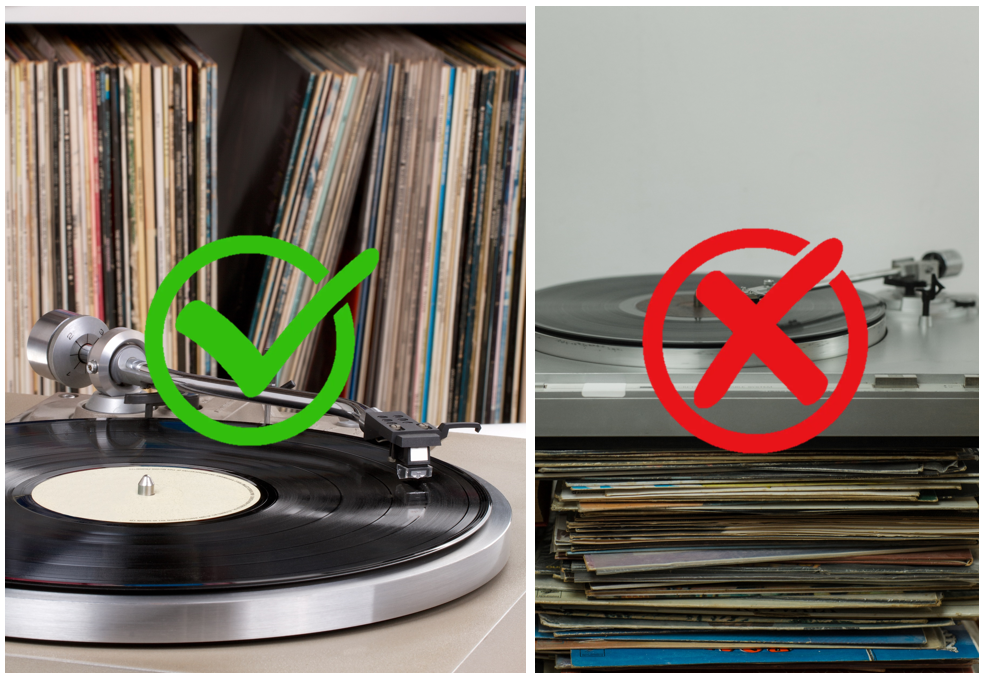
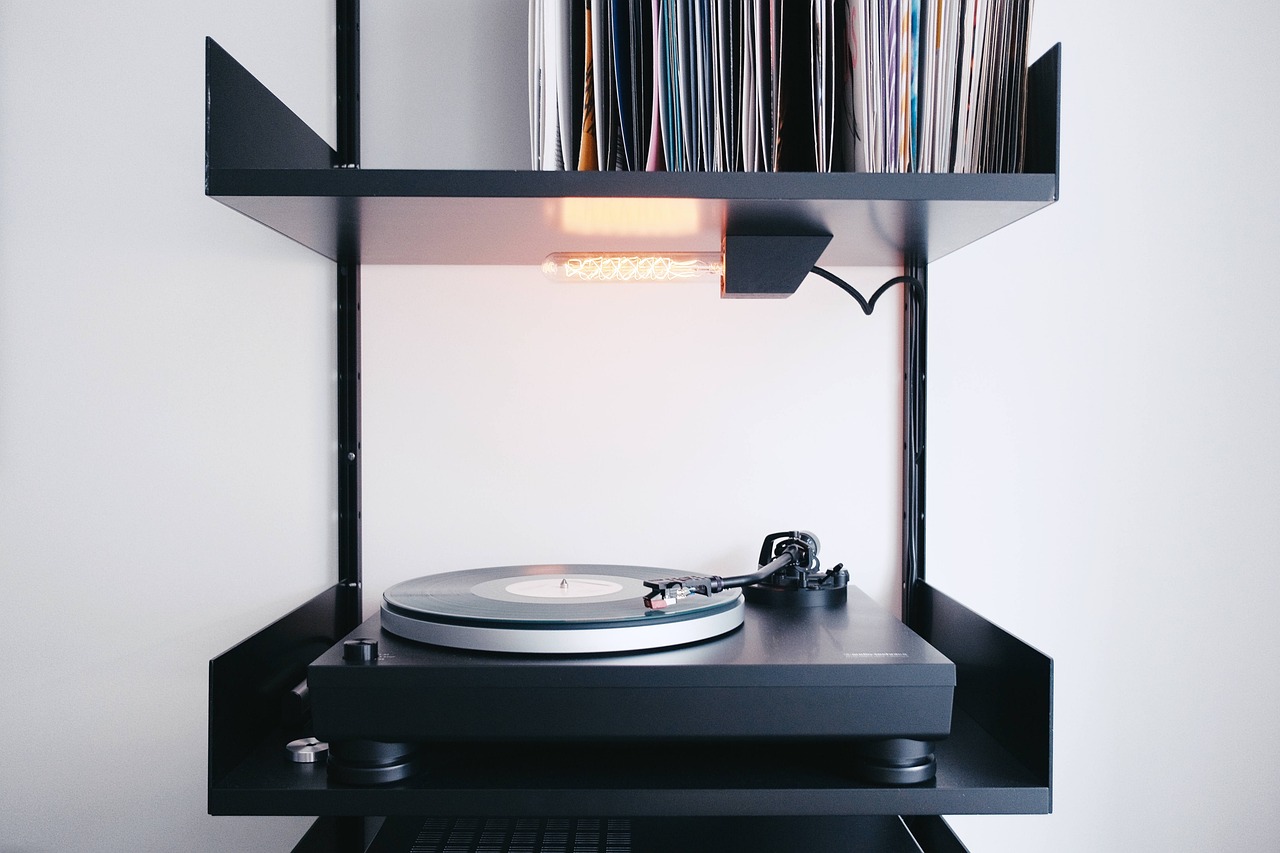
- Store LP records vertically in sturdy racks or shelves. Storing them horizontally on top of each other can cause them to warp, as vinyl is a flexible material that can bend under its own weight or the weight of other records.
- Store them in a dry, dark, and cool place away from direct sunlight and heat sources such as radiators, floor heating, heating mats, or heaters. High temperatures or large temperature fluctuations and humidity can warp vinyl records and impair sound quality.
- During hot summer weather, do not leave vinyl records in your car for long periods of time, as temperatures in a parked and sun-heated vehicle can easily exceed 50° Celsius, which can easily cause warping and irreversible damage to the records.
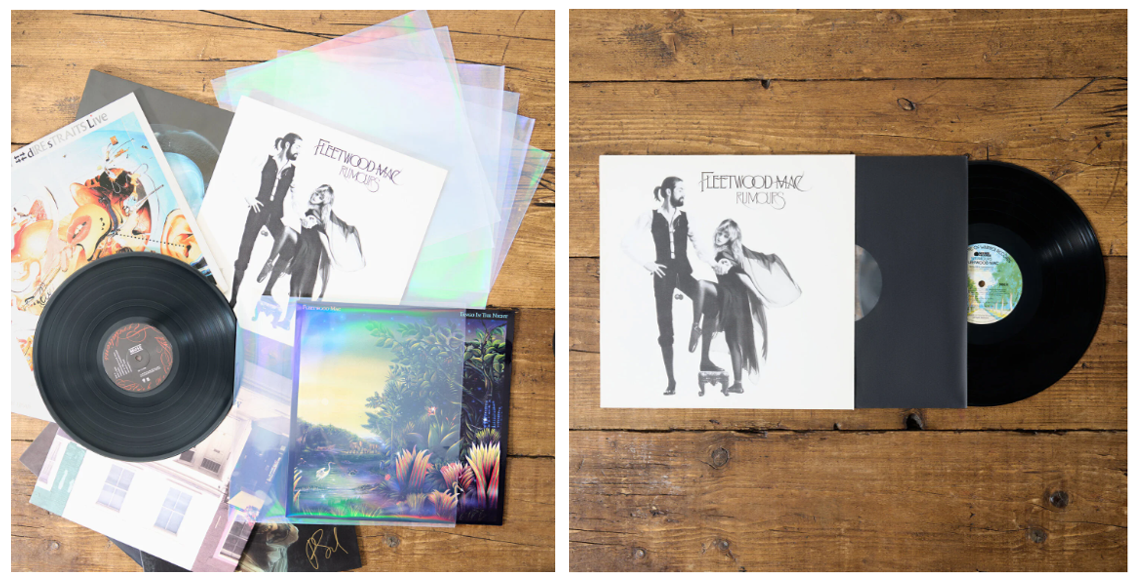
- Use high-quality protective covers – ideally antistatic covers made of HDPE plastic or rice paper, which protect against dust, grease, static electricity and scratches, and also minimize damage when inserting and removing records.
3. Don't use damaged or warped records
Not every record in your collection is suitable for playback. Some may damage your turntable rather than delight your ears. Even if you feel like dusting off every piece, some records simply don't belong on the turntable – they can do more harm than good.
- Playing scratched records can cause rapid wear on the needle and reduce sound quality.
- If a record is seriously damaged (cracked, warped), it is best to remove it from your collection. Playing damaged records can cause irreparable damage to your turntable.
- There are ways to fix a warped record, such as using special equipment or methods involving glass and heat, but these procedures are risky and not recommended for home use, as improper handling can cause permanent damage to the record or even injury.

LP records
Choose from a wide range of LP records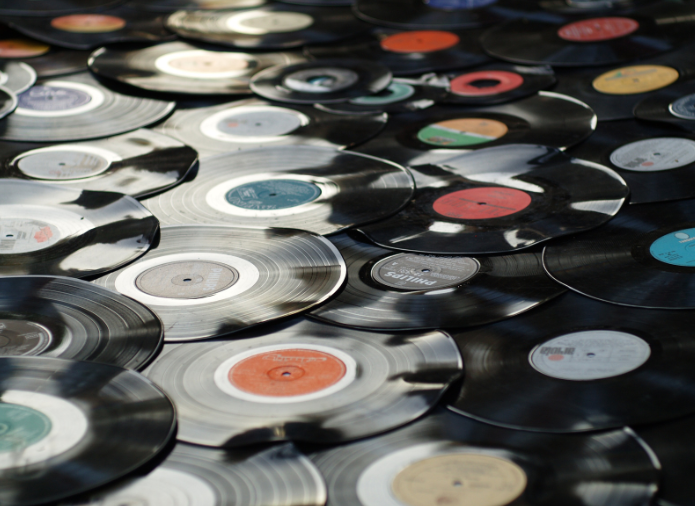
4. Cleaning and maintenance
Regular maintenance is essential for the longevity of your LPs, improves sound quality, and protects the turntable needle. It allows you to enjoy your music without distracting noise and keeps your collection in top condition.
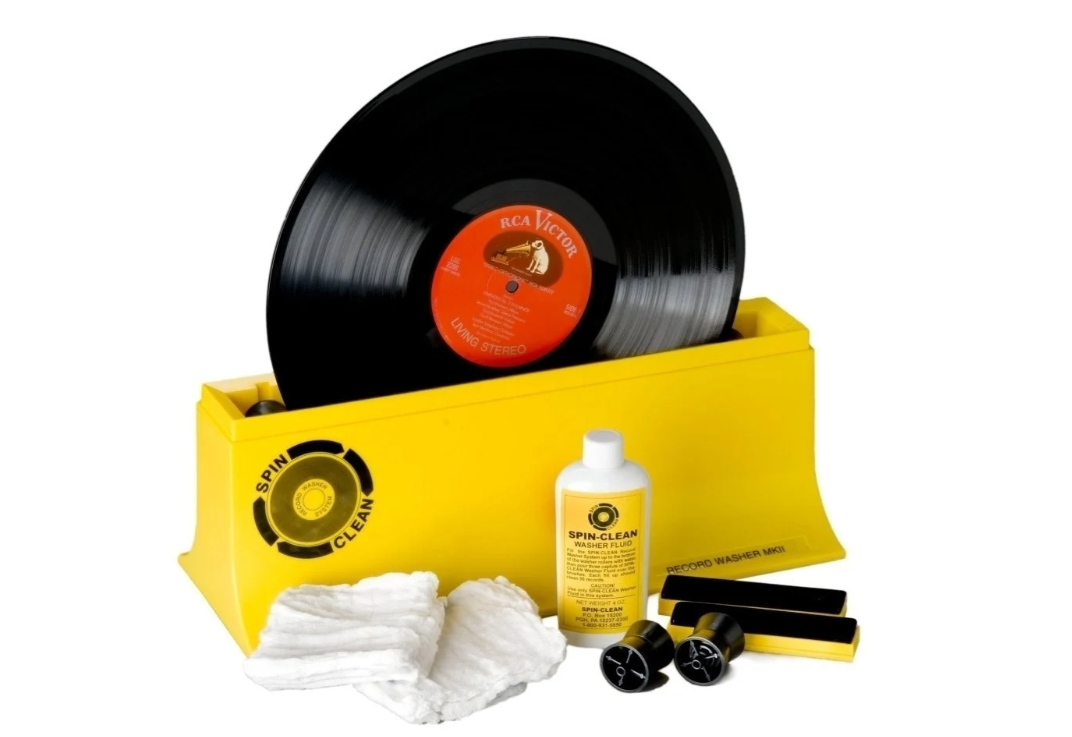
- Use antistatic (velvet) brushes or special cleaning solutions and cleaning brushes designed for vinyl. Complete cleaning kits are also available for purchase.
- The use of aggressive chemical cleaners and abrasive materials is not recommended. If necessary, wash the plates in demineralised water with a mild, non-perfumed detergent.
- The most effective way to thoroughly clean records is to use a cleaning device, known as an LP washer – these are available in manual and motorized versions and are the most effective way to clean your records.
- Don't forget the turntable needle. It does not need to be cleaned before each play, but if you see dust or other dirt on it, do not hesitate to clean it immediately, ideally with a dry brush. Regular care once a week or depending on use is sufficient. In addition to dry methods, there are also special wet processes that are safe and, when used correctly, can increase cleaning efficiency – it is important to avoid unsuitable liquids that could damage the cartridge.
Pro tip: If you don't have the time or equipment to regularly care for your LP records, you may want to consider professional cleaning. This will save you time and ensure expert care, especially for rare vintage records or special editions. Professional services often use specialized equipment that you don't have at home, and experts with years of experience will ensure gentle and effective cleaning. On the other hand, you should also consider the price, waiting time, and availability of these services, which may be limited depending on your location and demand. If you decide to go for professional care, it's a good idea to find a reliable place that will provide you with quality service.
5. Safety
Don't forget about the safety of everyone in your household. Keep vinyl records out of reach of children and pets, who could damage them or injure themselves on them.
Certification and safety standards
Vinyl records and their accessories are currently subject to several EU safety regulations. Products must meet strict standards regarding materials, chemical composition of packaging, and overall safety during handling. This includes certification of antistatic packaging and cleaning products to ensure they are harmless to users and the vinyl records themselves.
6. Care for your collection as a regular routine
- Check your collection regularly and clean your records at least once every few weeks.
- If you are a passionate collector, it is worth investing in a professional cleaning kit or an ultrasonic vinyl record cleaner.
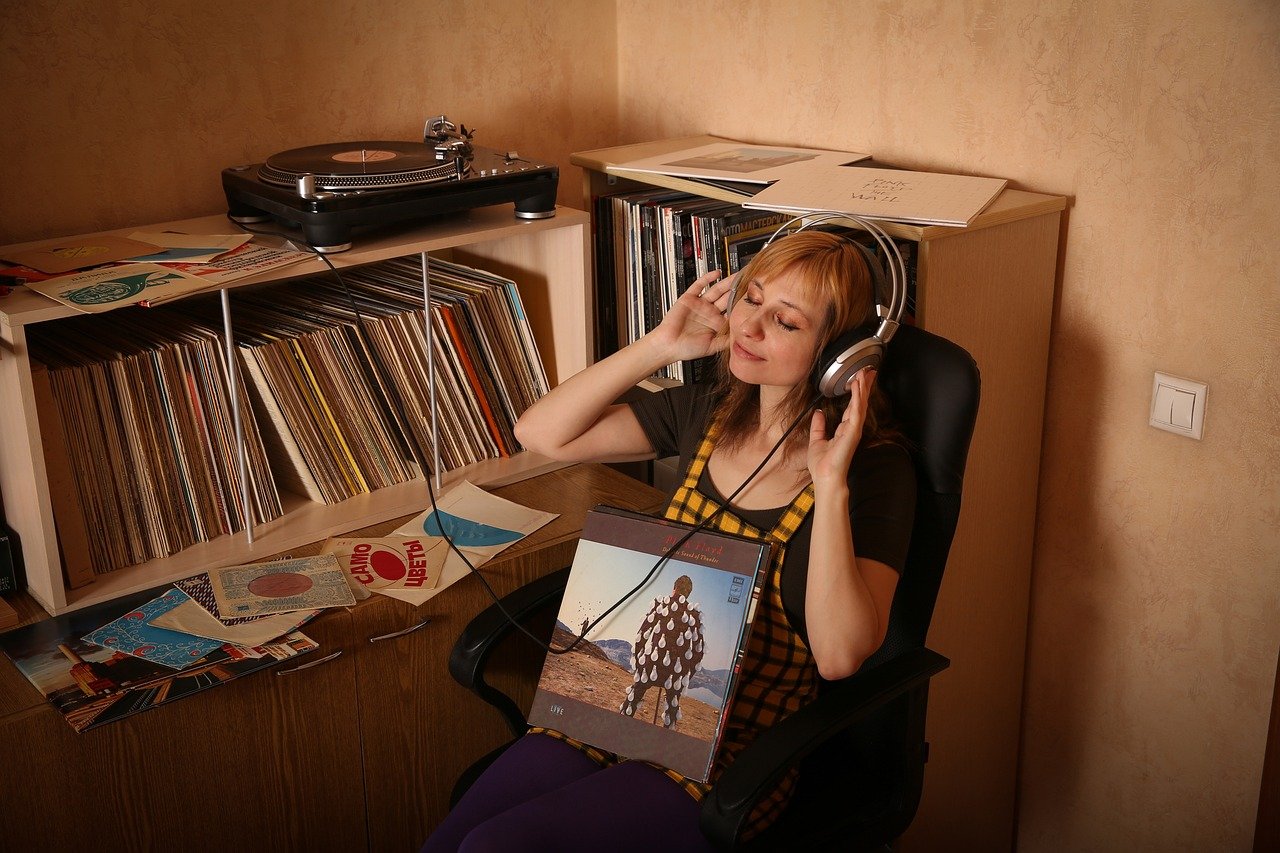
By following these simple but important rules, you can extend the life of your collection and enjoy the perfect sound of vinyl records for many years to come. Vinyl is durable, but improper care can cause irreparable damage. So take good care of your collection and enjoy the best quality music for as long as possible!
Photo source: Pixabay, Canva