 Albania
 Argentina
 Australia
 Austria
 Belgium
 Bosnia and Herzegovina
 Brazil
 Bulgaria
 Canada
 Chile
Chile
 Colombia
 Croatia
 Czech Republic
 Denmark
 Estonia
 Finland
 France
 Germany
 Greece
 Hungary
 Ireland
 Italy
Italy
 Latvia
 Lithuania
 Luxembourg
 Mexico
 Moldova
 Montenegro
 Netherlands
 New Zealand
 North Macedonia
 Norway
 Philippines
 Poland
 Portugal
 Romania
 Serbia
 Slovakia
 Slovenia
 South Africa
 Spain
Spain
 Sweden
 Switzerland
 Turkey
 Ukraine
 United Kingdom
 United States of America



How to learn to play the saxophone
Want to learn the saxophone and not sure where to start? We will tell you which type to choose as a beginner, what you need besides the instrument and how to make the first steps, from embouchure to your first clean tone. We also recommend the affordable Latone brand and other proven models.
Which saxophone should a beginner choose?
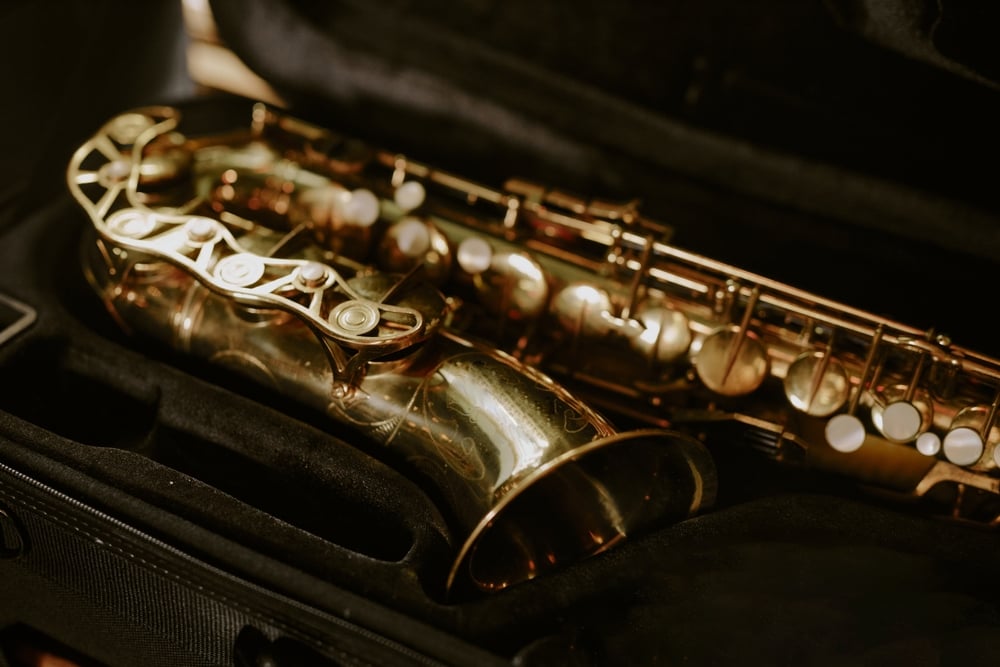
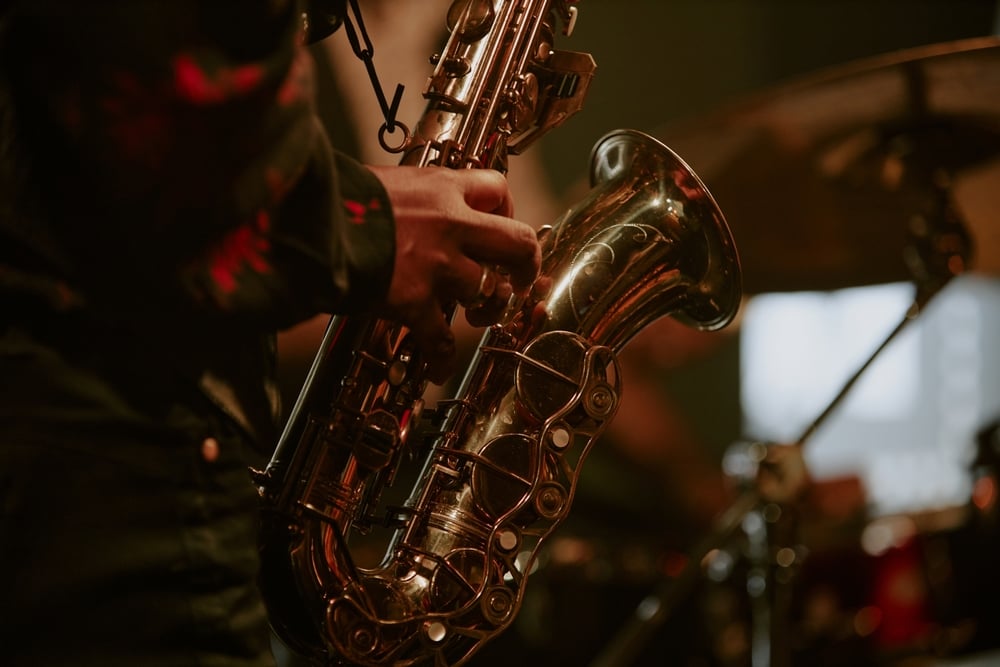
For a complete beginner the clear choice is the alto saxophone. It is smaller, lighter, needs less air and most beginner method books and songs are for it. That is why the alto saxophone is also the starting point in music schools. The tenor is bigger, heavier and pricier, but has a deeper, more jazzy tone. If you are deciding in general, take a look at our guide how to choose a saxophone.
Alto or tenor saxophone?
The difference is not only in size, but also in sound and difficulty. The alto is pitched in Eb, the tenor in Bb. For a child and an adult beginner the alto is more comfortable and cheaper; keep the tenor if you are drawn to jazz and a bigger, fuller tone.
| Alto sax | Tenor sax | |
|---|---|---|
| Tuning | Eb | Bb |
| Size and weight | smaller, lighter | bigger, heavier |
| Air | less demanding | more air |
| Sound | brighter | deeper, jazzy |
| For whom | ideal for a beginner and kids | rather for advanced and jazz |
| Price | lower | higher |
What you need besides the saxophone
The instrument alone is not enough, you will need a few things right away. Reeds are a consumable that break and wear out, so always keep a stock; for a beginner softer strengths around 1.5 to 2 work well. Pick them by type, that is reeds for alto sax or reeds for tenor sax. Add a ligature and a mouthpiece (often included with the instrument), a neck strap, a case and a cleaning swab. Most student sets already include this.
Which models suit the start
If you are after an affordable and reliable start, bet on the Latone brand. It offers student saxophones with a very good price-to-performance ratio, so you can really learn on it without spending hundreds of euros extra. A great pick for a music-school pupil and for an adult who wants to try playing first.
If you want a more premium classic, reach for the Yamaha brand, whose student alto models have been a proven standard for years, or for Jupiter. More important than the name is that the instrument seals well and holds its tuning, which proven brands do.
First steps: embouchure, breath and your first tone
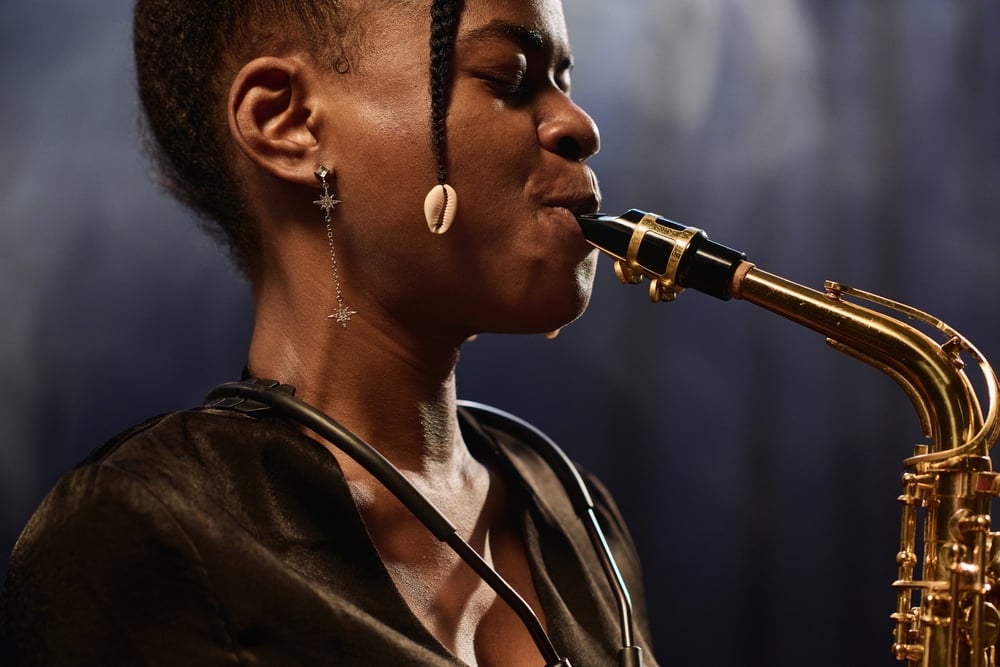
Start with embouchure and breath, not with complex songs. Once you can produce a stable, clean long tone, the rest comes surprisingly fast. The first weeks are mostly about getting the instrument to sound nicely and without squeaking, and about short regular practice. A teacher or a music school helps a lot with embouchure and posture, but you can pick up the basics on your own from videos too.
| Step | What to do |
|---|---|
| Embouchure | lower lip gently over the teeth, upper teeth on the mouthpiece, relaxed corners |
| Breath | breathe from the diaphragm and push a steady, even airflow |
| First tone | practise long tones until they are clean and without squeaks |
| Fingers | learn the first notes and a simple scale, then your first song |
| Routine | rather 15 to 20 minutes daily than an hour once a week |
| Care | after playing, dry the body with a swab and let the reed dry |
Frequently asked questions about saxophone for beginners
Which saxophone is best for a complete beginner?
An alto saxophone in Eb. It is smaller, cheaper and has the most learning material. An affordable and reliable start is offered by the Latone brand.
Alto or tenor to start with?
For most beginners the alto. It is lighter, more comfortable and cheaper. Choose the tenor if jazz and a deeper tone draw you and a bigger instrument is no problem.
Which reeds for a beginner?
Start with softer strengths around 1.5 to 2, they respond better. Pick by instrument type, that is reeds for alto or for tenor, and always keep a stock.
Can you learn the saxophone on your own?
You will produce a basic tone quickly, but for correct posture, breathing and embouchure a teacher or a music school helps. The first months are about patience, then it goes fast.
Choose your saxophone
The saxophone will reward you for years with the right choice. For a start the alto saxophone and the affordable Latone brand are ideal, or the proven Yamaha and Jupiter. Have a look at the whole range of saxophones and other wind instruments, and do not forget the reeds.