 Albania
 Argentina
 Australia
 Austria
 Belgium
 Bosnia and Herzegovina
 Brazil
 Bulgaria
 Canada
 Chile
Chile
 Colombia
 Croatia
 Czech Republic
 Denmark
 Estonia
 Finland
 France
 Germany
 Greece
 Hungary
 Ireland
 Italy
Italy
 Latvia
 Lithuania
 Luxembourg
 Mexico
 Moldova
 Montenegro
 Netherlands
 New Zealand
 North Macedonia
 Norway
 Philippines
 Poland
 Portugal
 Romania
 Serbia
 Slovakia
 Slovenia
 South Africa
 Spain
Spain
 Sweden
 Switzerland
 Turkey
 Ukraine
 United Kingdom
 United States of America



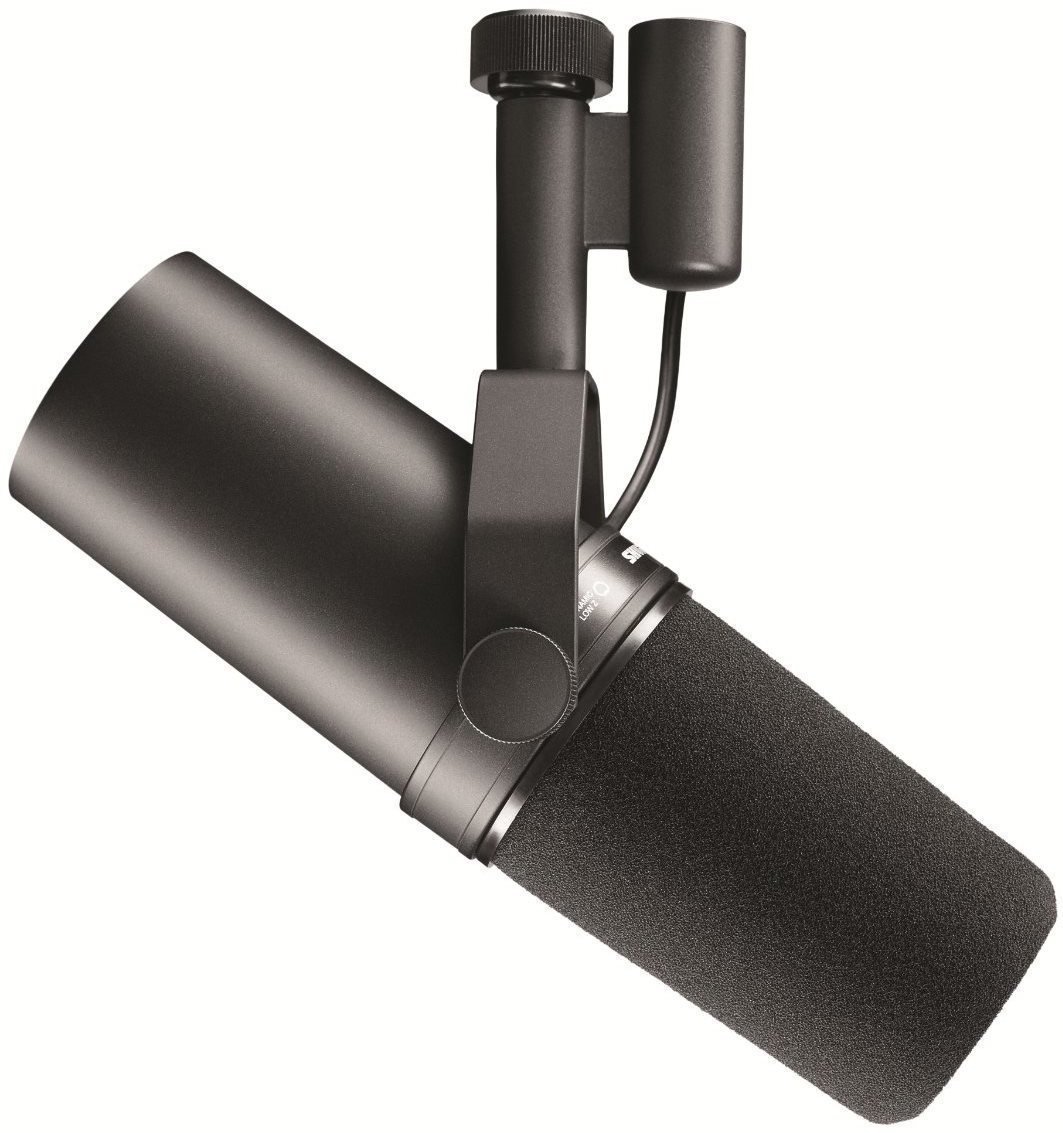
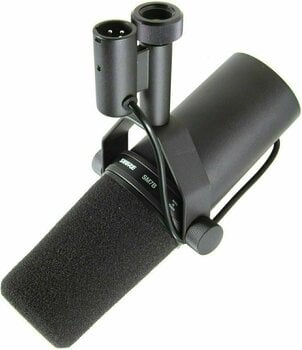
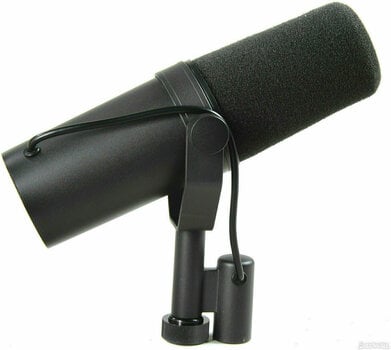
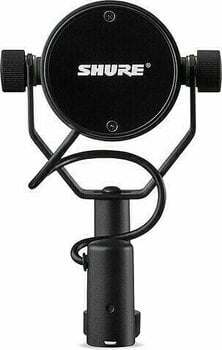
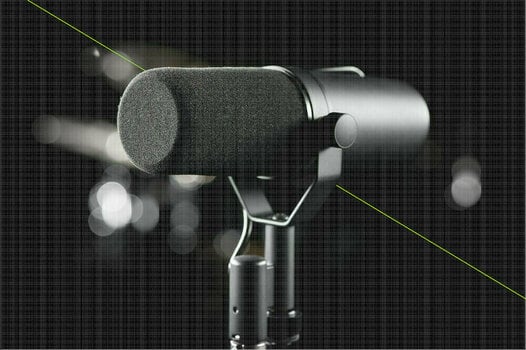






- Application: Recording, Studio, Vocals
- Frequency Range: 50 Hz - 20 kHz
- Impedance: 150 Ohm
- Sensitivity: -59.0 dB
- Capsule Type: Dynamic
Shure SM7B Podcast Microphone
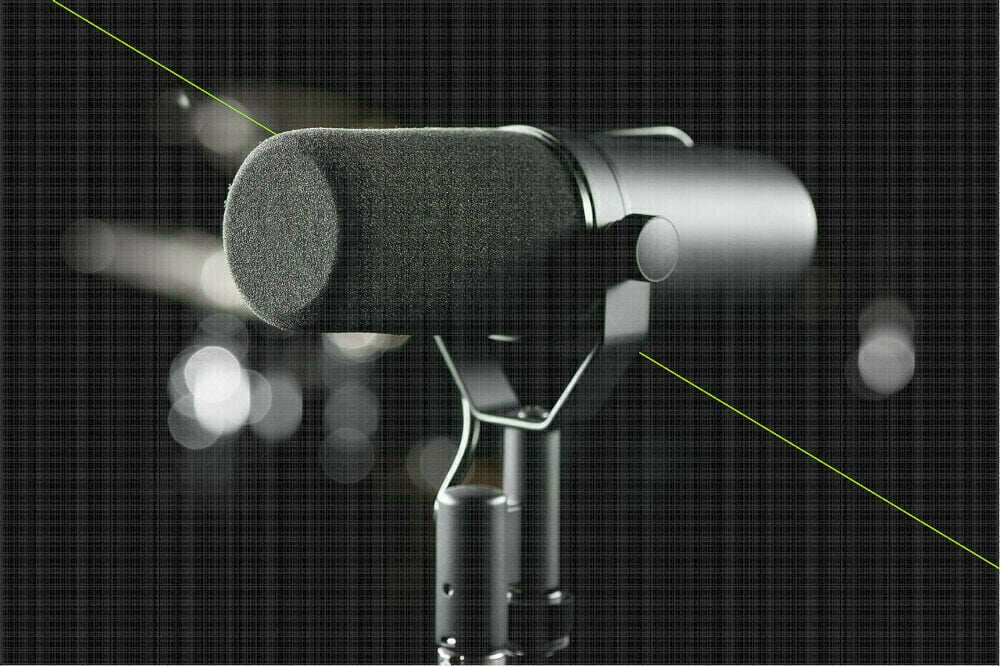
The Shure SM7B Vocal Dynamic Microphone is the legendary broadcast and podcast workhorse trusted by creators worldwide. Built around a dynamic capsule with a smooth, flat, wide-range frequency response, it captures warm, balanced vocals while rejecting room noise and electromagnetic hum. This model pairs an internal air suspension shock isolation system with a built-in pop filter, so plosives and handling noise stay out of the recording. XLR connectivity and rugged all-metal construction make the SM7B a long-term studio investment.
- Dynamic cardioid capsule with 50 Hz – 20 kHz frequency response delivers warm, natural speech and vocals.
- Internal air suspension shock isolation virtually eliminates mechanical noise transmission from desk bumps and stand vibrations.
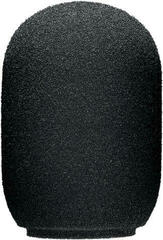
- Built-in pop filter plus the included A7WS detachable windscreen tame plosives for close-mic work without third-party accessories.
- Advanced electromagnetic shielding defeats hum from computer monitors, neon lights, and other studio electronics.
Shure SM7B Vocal Dynamic Microphone — Broadcast-Grade Voice Capture
The Shure SM7B Vocal Dynamic Microphone is the dynamic cardioid microphone that has defined the sound of professional broadcasting, podcasting, and studio recording. Whether the application is radio, a home studio, or a vocal session, this model delivers smooth, warm, and natural reproduction of both speech and music. Its flat, wide-range frequency response preserves the finer details of the human voice while blocking room distractions. The SM7B is the right choice for creators who want consistent, fatigue-free vocal tone without heavy post-processing.
What Sets the SM7B Apart
Internal "air suspension" shock isolation virtually eliminates mechanical noise transmission, so desk bumps and stand vibrations never reach the recording. Advanced electromagnetic shielding is optimized against broadband interference emitted by computer monitors, neon lights, and other studio electronics that often ruin dynamic mic setups. The included A7WS detachable windscreen tames plosives for close-mic work, while the RPM602 switch cover plate gives a more open response for narration and distant mic placement.
Key Specs — What the SM7B Brings to Your Signal Chain
The technical profile is built around a dynamic moving-coil capsule that needs no phantom power and handles high SPLs without distortion. The classic cardioid polar pattern is uniform with frequency and symmetrical about axis, providing maximum rejection of off-axis sound. Onboard bass rolloff and mid-range emphasis (presence boost) controls with graphic display of response setting let the user shape tone on the fly.
- Frequency Range: 50 Hz – 20 kHz — wide, flat response that captures vocal fundamentals and airy detail without sounding harsh.
- Polar Pattern: Cardioid — focused on-axis pickup that rejects room reflections, keyboard clicks, and monitor bleed.
- Capsule Type: Dynamic — no phantom power required; rugged moving-coil design handles loud sources and rough handling.
- Impedance: 150 ohm — pairs cleanly with quality preamps; at least 60 dB of gain is recommended for the iconic warm tone.
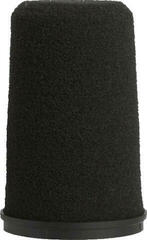
- Package Contents: A7WS detachable windscreen and RPM602 switch cover plate — close-talk plosive control plus a flat cover for a more open response.
Who Should Choose the SM7B
The SM7B is the right choice for podcasters, broadcasters, streamers, and vocalists who need a microphone that delivers a consistent, warm, broadcast-ready tone in untreated rooms. Its dynamic cardioid design ignores noisy computer fans, keyboard clicks, and room echo, so creators without acoustically treated studios still capture clean, focused speech. The mic also suits close-miking instruments in studio situations where warm and smooth full frequencies matter. Pair it with an audio interface capable of at least 60 dB of clean gain, and the SM7B rewards the user with the iconic tone heard on countless professional productions.

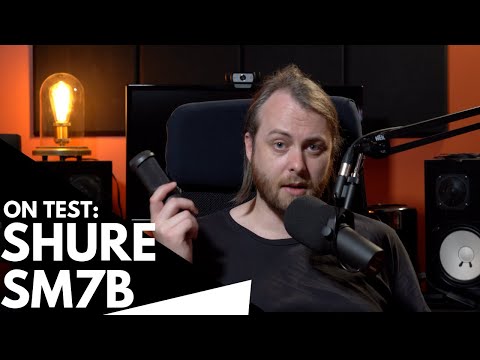
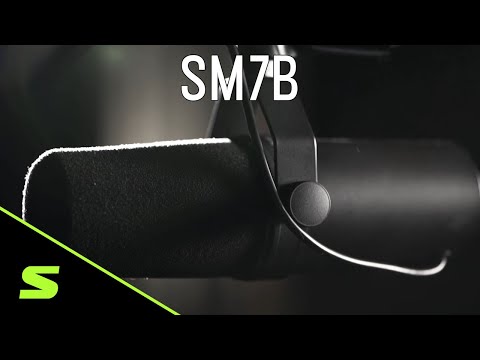
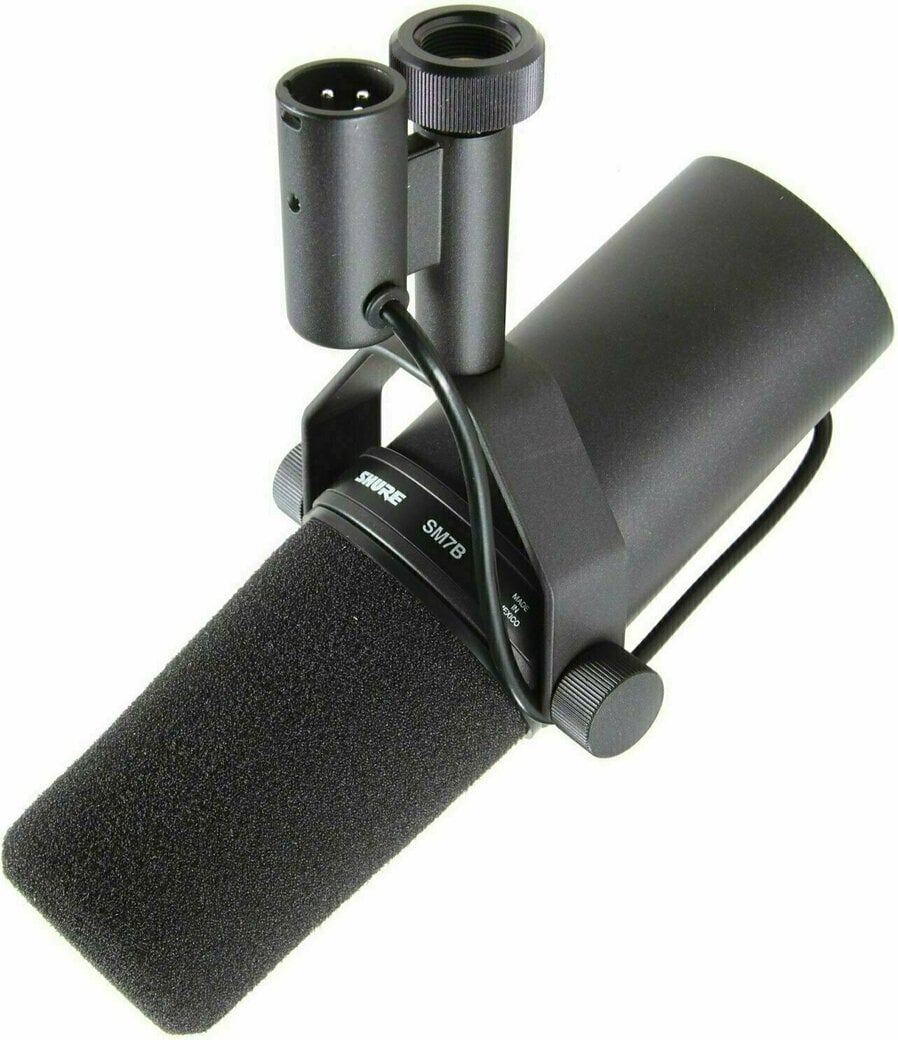
Frequency Range: 50 Hz - 20 kHz
The frequency response 50 Hz - 20 kHz provides a wide enough range to capture all the fine musical and sonic details.
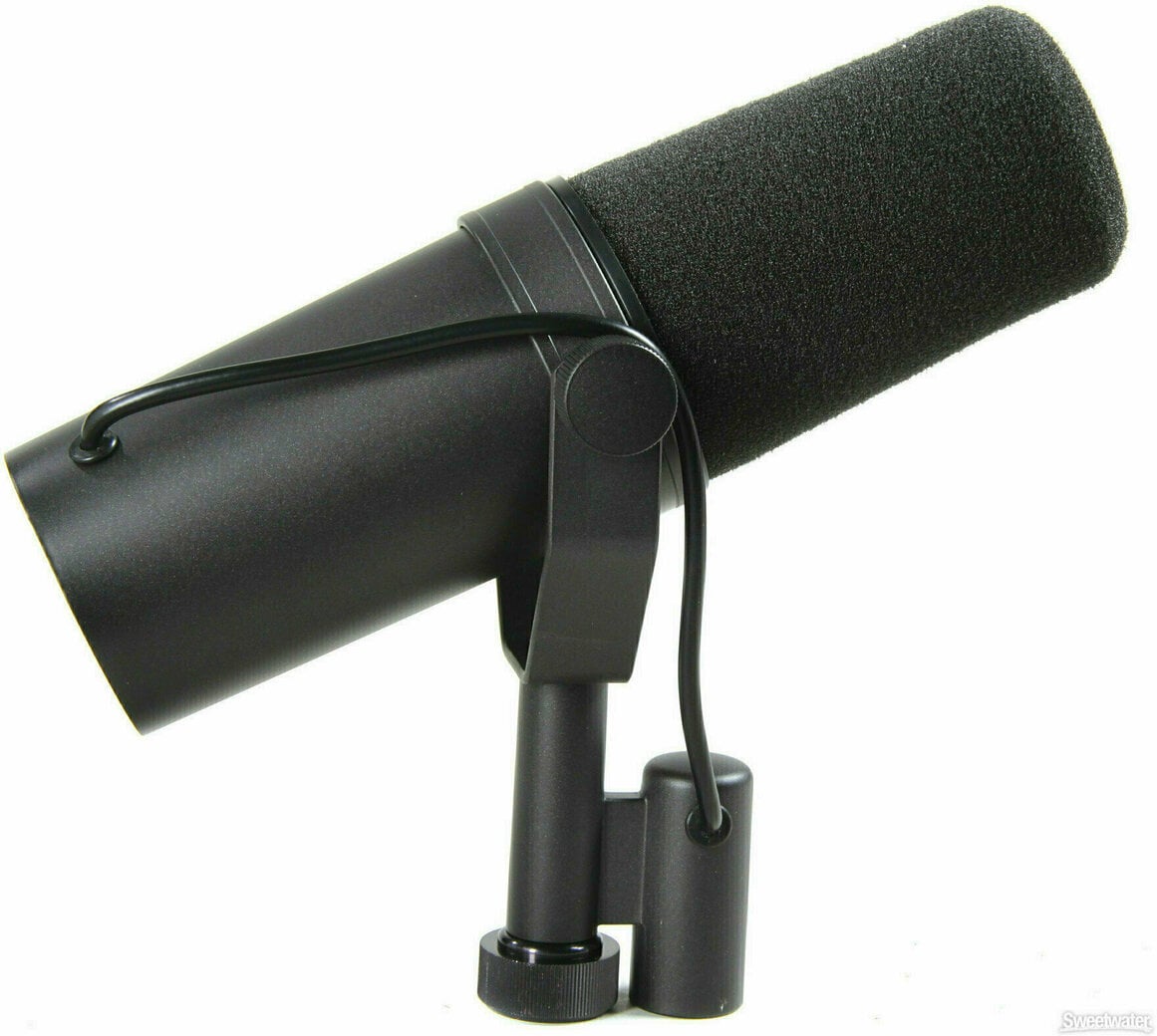
Polar Pattern: Cardioid
The cardioid directional microphone is designed to be most sensitive to sounds coming directly from the front and less sensitive to sounds coming from the sides and back. This directional pattern resembles the shape of a heart (hence the name "cardioid") and is ideal for situations where it is necessary to focus on a single sound source and minimize ambient noise.
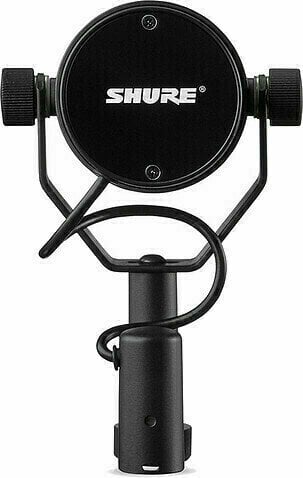
Capsule Type: Dynamic
A dynamic microphone is a type of microphone that works by moving a coil in a magnetic field. This mechanism allows you to capture sound waves and convert them into electrical signals. Dynamic microphones provide a natural and warm sound with excellent handling of loud sound sources such as vocals, drums, or electric instruments. Their directionality usually prevents unwanted ambient sounds from being picked up, which reduces background noise.
Package Contents
- Cover Plates
- Windscreen

Sensitivity
-59.0 dB
Offer Configuration
Standard offer
Package Contents
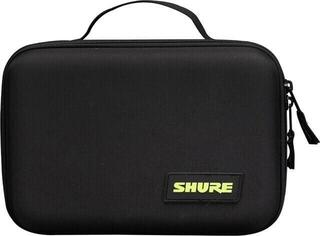
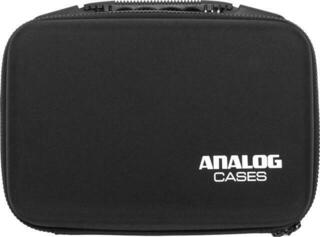
Windscreen, Cover Plates
Incl. Gig bag/Case
Weight
Made in
Mexico
All reviews come from verified customers who have purchased a product from us in the past.
AI summary of reviews
Based on the number of reviews: 63
Strengths
- Vocal Clarity: Customers consistently praise the microphone for making vocals sound smooth, clear, and rich, with good bass response.
- Versatile Use: The microphone is highly adaptable, suitable for various applications including podcasts, streaming, studio recordings, and even instruments like percussion.
- Professional Standard: Many users recognize it as an industry standard, noting its reliable performance and professional quality.
- Integrated Pop Filter: The built-in pop filter is effective at reducing plosives and sibilance, contributing to cleaner audio.
- Low Noise: Customers report significantly lower noise compared to other microphones, resulting in a cleaner signal.
Weaknesses
- High Gain Requirement: The microphone requires a significant amount of gain, often necessitating a good quality preamplifier or an inline gain booster for optimal performance.
What customers repeat
Verdict
Documents
Instructions for use
Manufacturer information
Safety instructions
Please refer to the user manual for the specific safety instructions for this product.


