 Albania
 Argentina
 Australia
 Austria
 Belgium
 Bosnia and Herzegovina
 Brazil
 Bulgaria
 Canada
 Chile
Chile
 Colombia
 Croatia
 Czech Republic
 Denmark
 Estonia
 Finland
 France
 Germany
 Greece
 Hungary
 Ireland
 Italy
Italy
 Latvia
 Lithuania
 Luxembourg
 Mexico
 Moldova
 Montenegro
 Netherlands
 New Zealand
 North Macedonia
 Norway
 Philippines
 Poland
 Portugal
 Romania
 Serbia
 Slovakia
 Slovenia
 South Africa
 Spain
Spain
 Sweden
 Switzerland
 Turkey
 Ukraine
 United Kingdom
 United States of America



Electric Guitars
When choosing an electric guitar, start with how the instrument feels in your hands, the sound you want from the pickups and the tuning you play in. Body shape affects comfort when sitting or standing, scale length changes the feel under your fingers, and the number of strings determines the available range. A beginner will usually benefit from a comfortable six-string instrument with straightforward controls, while a more experienced player may deliberately seek an unconventional design or extended range. For a closer look at the whole decision process, read our guide on how to choose an electric guitar.
Choose the shape for comfort, not looks alone
Start by comparing electric guitars by shape. Body contours, weight, upper-fret access and control placement determine whether a guitar remains comfortable during longer sessions. Classic ST models tend to have contoured bodies and several pickup combinations, while T models appeal to players looking for simple controls and a direct character. Singlecut models have a different balance and feel; with any shape, check the actual weight, neck profile and strap-button placement.
Pickups determine how the guitar responds to an amplifier
Single-coil pickups generally emphasise a clear, articulate response and closely reflect picking dynamics. A humbucker uses two coils: it usually delivers a fuller signal and reduces some mains hum, which is useful with heavier distortion. A coil-split function disconnects one coil of a humbucker and expands the available sound palette, although the result may not sound exactly like a dedicated single-coil. Choose a configuration according to whether you need clean sounds, a denser distorted tone or quick switching between the two.
| What you are comparing | When it makes sense | What to check |
|---|---|---|
| Single-coil | Articulate clean and mildly overdriven sound | Noise at higher gain settings |
| Humbucker | Fuller signal and work with distortion | Number of pickups and switching options |
| Coil split | More sound options in one instrument | Whether the specific model supports coil splitting |
Scale length, size and string count change the playing feel
With the same tuning and string gauge, a longer scale usually feels tighter, while a shorter scale feels softer when fretting notes and bending strings. The instrument's overall size also matters. More compact 3/4-size electric guitars may suit a smaller player or travel, while 4/4-size models represent the usual full size. The label alone does not replace checking nut width, neck profile and weight.
Six strings cover most common tunings and provide a natural starting point for learning. Seven-string guitars add a lower register without giving up the standard range of the upper strings. Eight-string guitars reach lower still, but require a wider neck and different work from both hands. For down-tuning, consider scale length, string gauge and the instrument setup together.
Match the guitar to your music and experience
Your first instrument
At the beginning, a comfortable neck, stable tuning and clear controls are more valuable than a large number of switches. Pick an instrument that suits your build and the music you genuinely want to play. Keep part of your budget for an amplifier, cable, tuner and protection during transport.
Rock, blues, jazz and heavier genres
For blues, indie or classic rock, a single-coil configuration or a combination of single-coil and humbucker can be practical. A humbucker is often chosen for heavier distortion, but pickups are not the only deciding factor — the amplifier, effects, tuning and technique all make a substantial difference. The Hard & Heavy category helps narrow the choice to designs aimed at heavier styles. If you want a more open, acoustically coloured voice and a different body response, compare semi-acoustic guitars as well.
Modern designs and extended options
Multiscale guitars use a different scale length for individual strings, which can help balance the playing feel, particularly in extended tunings. Headless guitars tune without a conventional headstock and alter the instrument's weight distribution. For players interested in digital control or direct connectivity where offered by the specific model, modeling, MIDI and USB guitars provide a separate route.
Protection and essential accessories
Before ordering, check what is included with the specific model. For home playing you need suitable amplification, an instrument cable and a tuner; for carrying the guitar, add a gig bag or hard case that fits its shape. You can find a strap, spare strings, a stand and basic care items in electric guitar accessories. This way you are not choosing from a photo alone: you are comparing ergonomics, pickups, scale length, string count and the equipment that fits the way you play.

How to choose an electric guitar
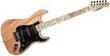
Electric Guitars for Beginners
Deals Electric guitars
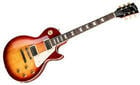
Unboxed: Electric Guitars
Bundles: Electric Guitars
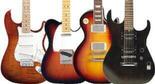
Electric Guitars - All Shapes
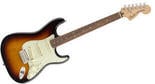
ST-Models
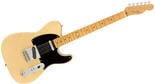
T-Models
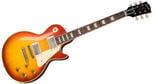
Singlecut Models
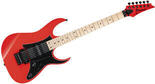
Super ST-Models
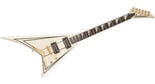
Hard & Heavy
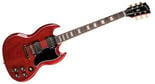
Doublecut
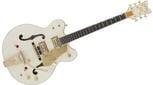
Semiacoustic Guitars
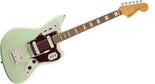
Jaguar
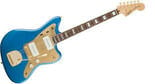
Jazzmaster
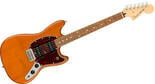
Mustang
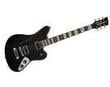
Non-traditional shapes
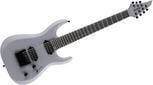
7-string Guitars
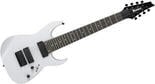
8-string Guitars
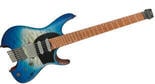
Headless Guitars
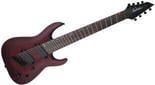
Multiscale Guitars
Modelling, MIDI and USB Guitars
Lefthanded Guitars
Cases for Electric Guitars

Gig Bags for Electric Guitars

Guitar Accessories
Popular Brands