 Albania
 Argentina
 Australia
 Austria
 Belgium
 Bosnia and Herzegovina
 Brazil
 Bulgaria
 Canada
 Chile
Chile
 Colombia
 Croatia
 Czech Republic
 Denmark
 Estonia
 Finland
 France
 Germany
 Greece
 Hungary
 Ireland
 Italy
Italy
 Latvia
 Lithuania
 Luxembourg
 Mexico
 Moldova
 Montenegro
 Netherlands
 New Zealand
 North Macedonia
 Norway
 Philippines
 Poland
 Portugal
 Romania
 Serbia
 Slovakia
 Slovenia
 South Africa
 Spain
Spain
 Sweden
 Switzerland
 Turkey
 Ukraine
 United Kingdom
 United States of America



Kalimbas | page 2
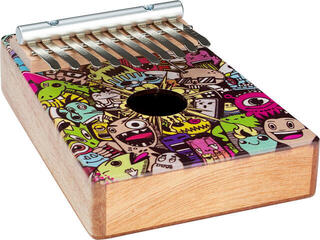
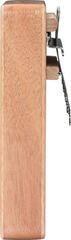
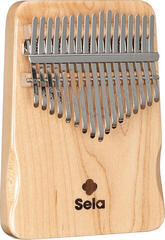
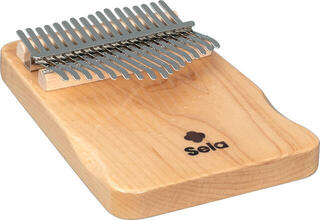
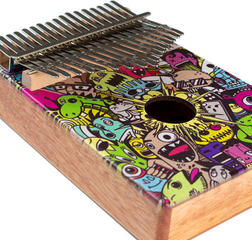
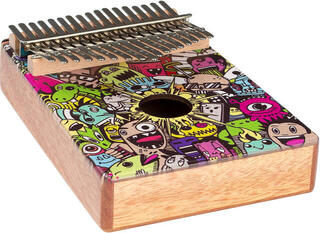
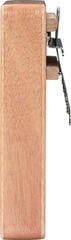
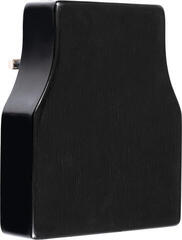
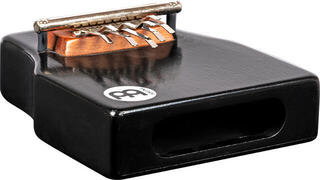
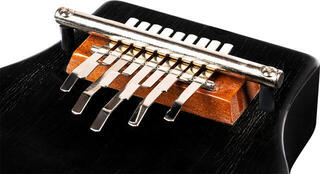
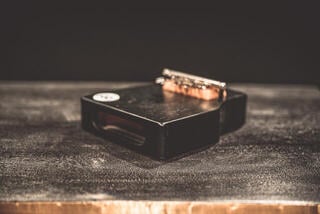
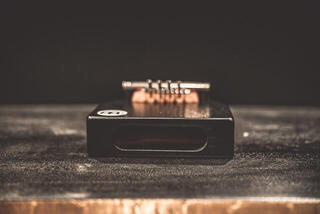
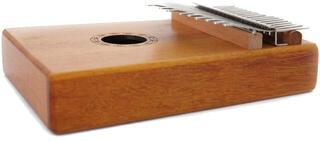
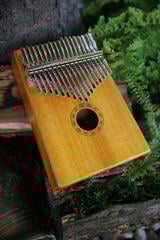
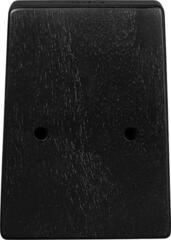
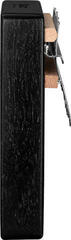
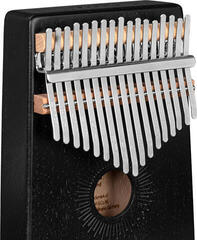
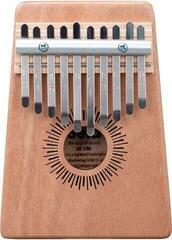
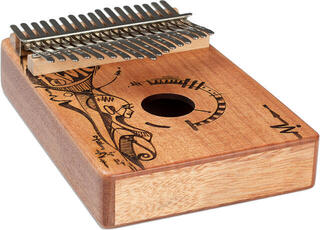
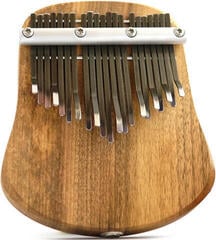
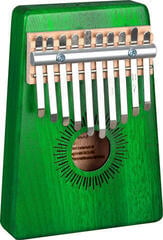
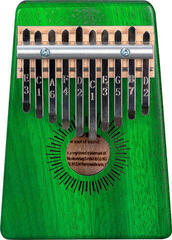
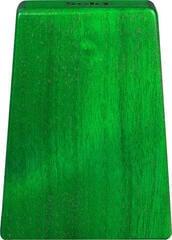
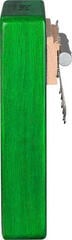
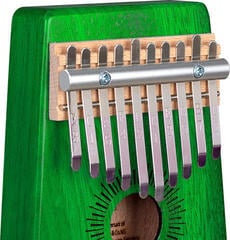
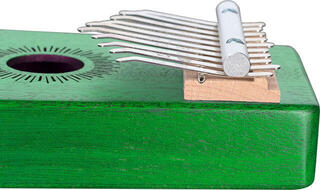
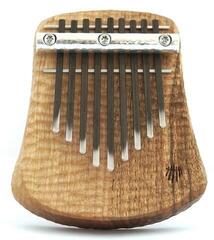
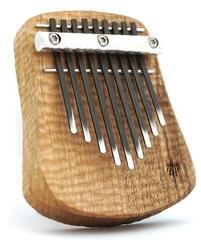
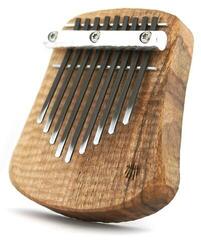
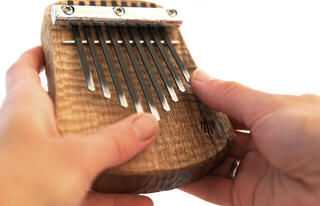
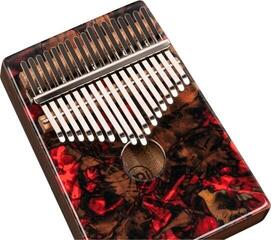
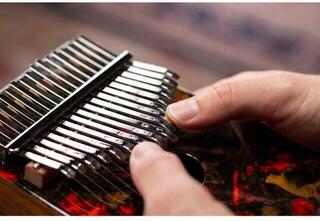
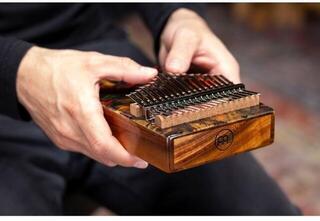
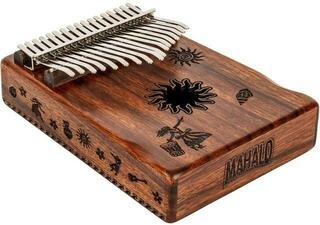
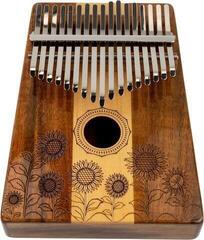
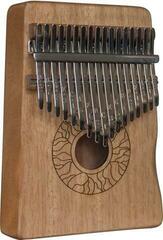
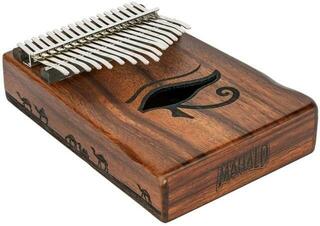
Kalimbas are small melodic instruments held in the hands and played by plucking metal tines with the thumbs. A kalimba is often called a thumb piano because it produces gentle tones without requiring complicated technique. It suits beginners, children under supervision and hobby players who want a portable instrument for home playing, travel or calm evening improvisation. When choosing, focus mainly on the number of tones, tuning, body construction and accessories, because the price of a kalimba changes according to these details.
Kalimbas: a simple melodic instrument for your hands
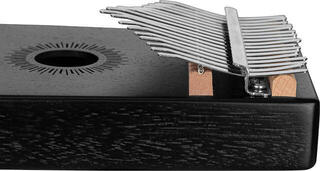
The musical instrument kalimba works simply: you pluck tines mounted on a wooden or other resonant body with your thumbs. After a short try you can play a simple motif, which is why the kalimba is popular as a first melodic instrument and as a gift. Its sound is softer and quieter, so it fits apartment playing, relaxed practice and carrying in a backpack.
How to choose a kalimba
Number of tones: 10, 17 and smaller models
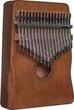
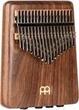
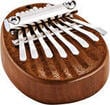
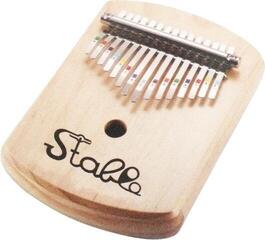
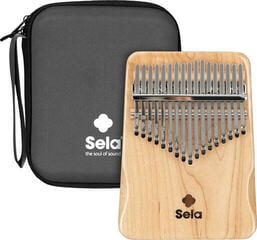
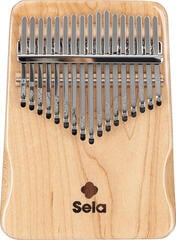
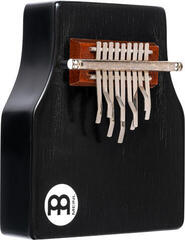
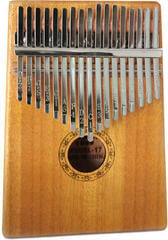
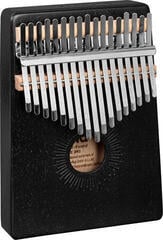
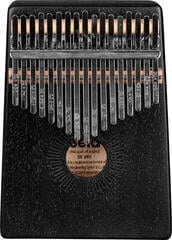
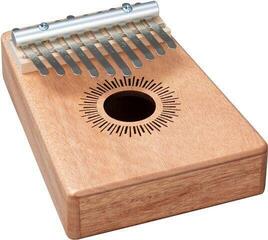
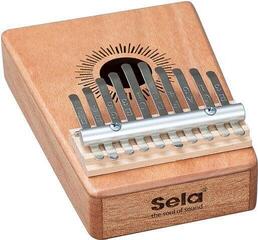
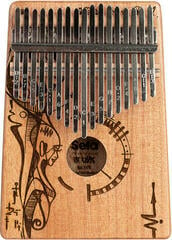
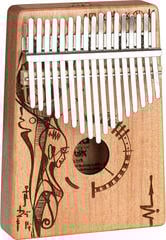
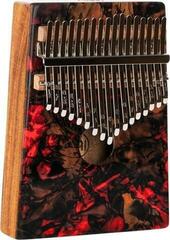
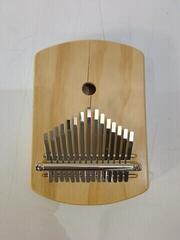
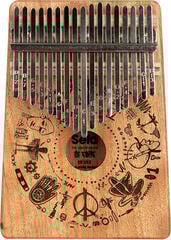
For a first instrument, a 17-note kalimba is usually the most practical option because it offers enough notes for familiar melodies while staying easy to understand. Smaller 10-note or mini models are simpler, lighter and more compact, but they have a narrower range. If you are choosing a kalimba for a child, look for a comfortable size, smooth finish and clear note layout.
Tuning: C major as the universal choice, G major as an alternative
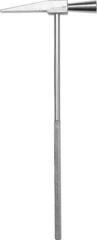
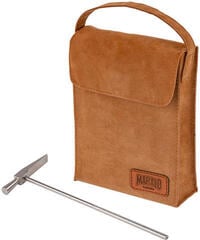
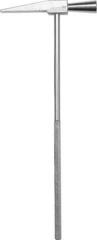
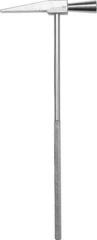
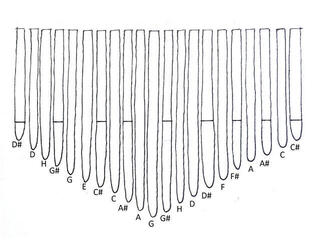
C major is the most universal tuning because tutorials, tabs and simple songs are easy to find for it. G major can have a slightly deeper character and makes sense if you already know what sound you want. When buying, check whether the package includes a tuning hammer or at least allows the tines to be fine-tuned.
Solid body or resonator hole
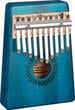
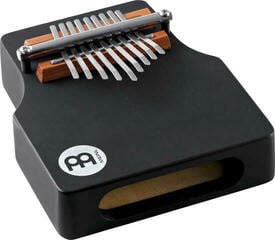
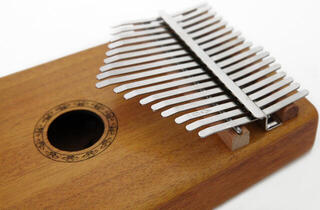
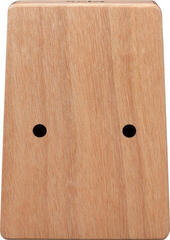
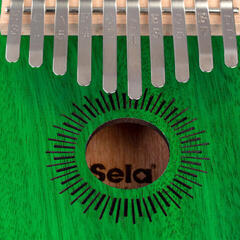
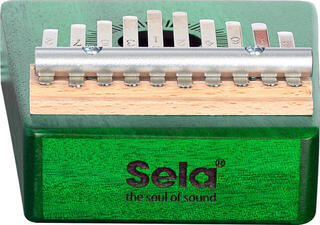
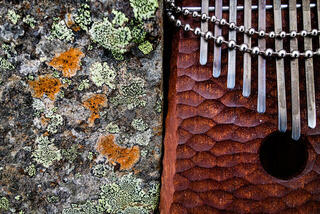
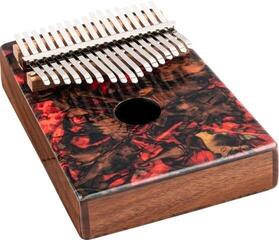
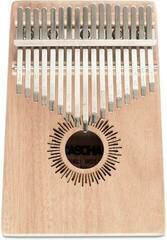
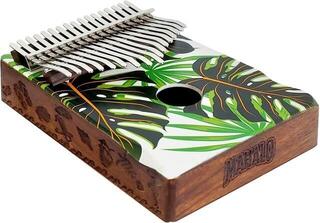
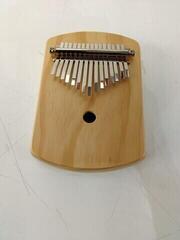
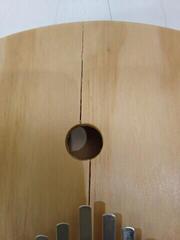
Solid kalimbas have a direct, clear tone and feel pleasant for quiet practice. Kalimbas with a resonator hole sound louder and airier, making them suitable when you want a fuller sound at home. The difference is not about a better or worse type, but about the feel in your hands and the character of the tone.
Which kalimba suits a beginner, child or relaxing play
For a first purchase, kalimbas for beginners with clear tuning and a common number of tones are the safest choice. A kalimba for children should be light, comfortable to hold and used under supervision, especially because of small parts and tuning. For travel or discreet playing, mini kalimbas are useful, while a standard size gives a steadier grip and wider range. For relaxing play, choose the sound and body that feel right to you; there is no need to promise healing effects, the pleasant tone and regular playing matter most.
Quick comparison of kalimba types
| Type | Benefit | Best for |
|---|---|---|
| 17-note kalimba | good range and many available tutorials | beginner, adult player, gift |
| 10-note or smaller kalimba | simple layout and low weight | child, travel, very first try |
| Solid body | clean, controlled tone | quiet practice and gentle playing |
| Resonator hole | fuller and airier sound | home playing with a more pronounced tone |
What else to consider when buying
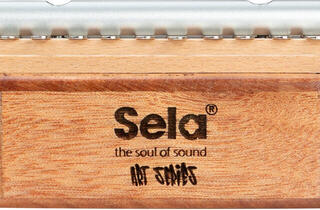
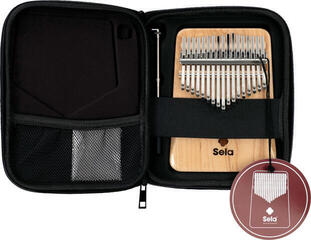
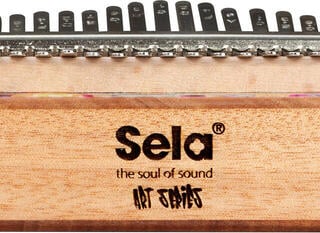
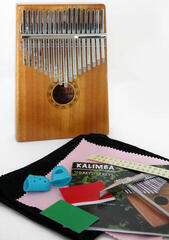
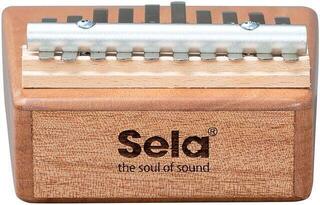
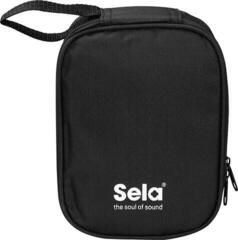
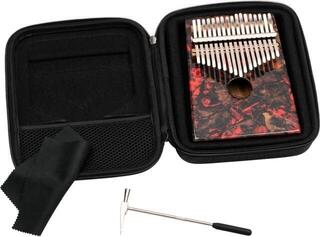
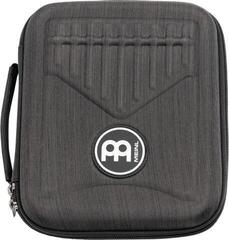
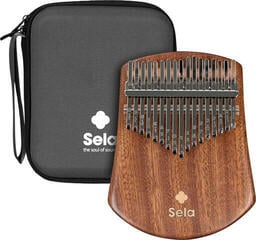
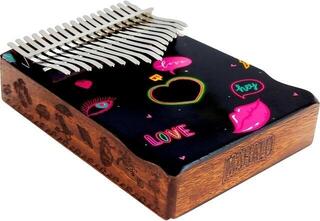
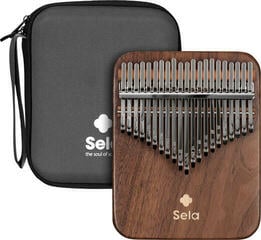
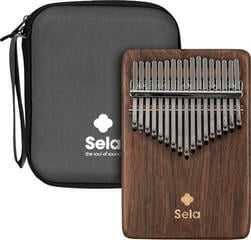
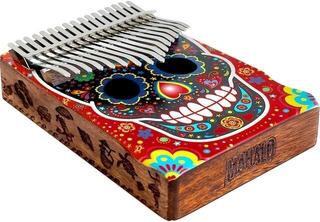
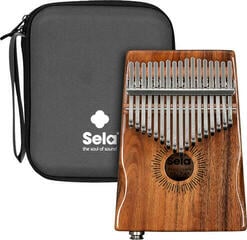
When comparing models, look not only at price but also at tine workmanship, readable note markings, a case or cover and the availability of tuning accessories. The range includes brands such as Sela, Mahalo, Meinl, Veles-X, Shamann and Cascha, so you can choose by sound, appearance and equipment level. If you want a kalimba as a gift, a standard 17-note C major model with a case is a safe choice; if you want a small travel instrument, prefer a mini or lighter body.