 Albania
 Argentina
 Australia
 Austria
 Belgium
 Bosnia and Herzegovina
 Brazil
 Bulgaria
 Canada
 Chile
Chile
 Colombia
 Croatia
 Czech Republic
 Denmark
 Estonia
 Finland
 France
 Germany
 Greece
 Hungary
 Ireland
 Italy
Italy
 Latvia
 Lithuania
 Luxembourg
 Mexico
 Moldova
 Montenegro
 Netherlands
 New Zealand
 North Macedonia
 Norway
 Philippines
 Poland
 Portugal
 Romania
 Serbia
 Slovakia
 Slovenia
 South Africa
 Spain
Spain
 Sweden
 Switzerland
 Turkey
 Ukraine
 United Kingdom
 United States of America



Top 10 new arrivals of August 2026 at Muziker
August was a rich month for new gear. Two names the whole world had been waiting for arrived, along with three brands we never carried before and a new generation of Yamaha mixers. These are ten pieces from August you should know about.
August was unusual in that half of the most interesting arrivals were not instruments at all, but software and headphones. Three brands came in that we had never carried before, one from Paris, one from the Netherlands and one from Texas. The rest are the regulars you have been finding with us for years.
10. Sonoris mastering plugins
We had never carried Sonoris before and in August we brought it in with eight titles at once. It is a small Dutch outfit that does nothing else, only tools for mastering and for getting an album ready to be pressed.
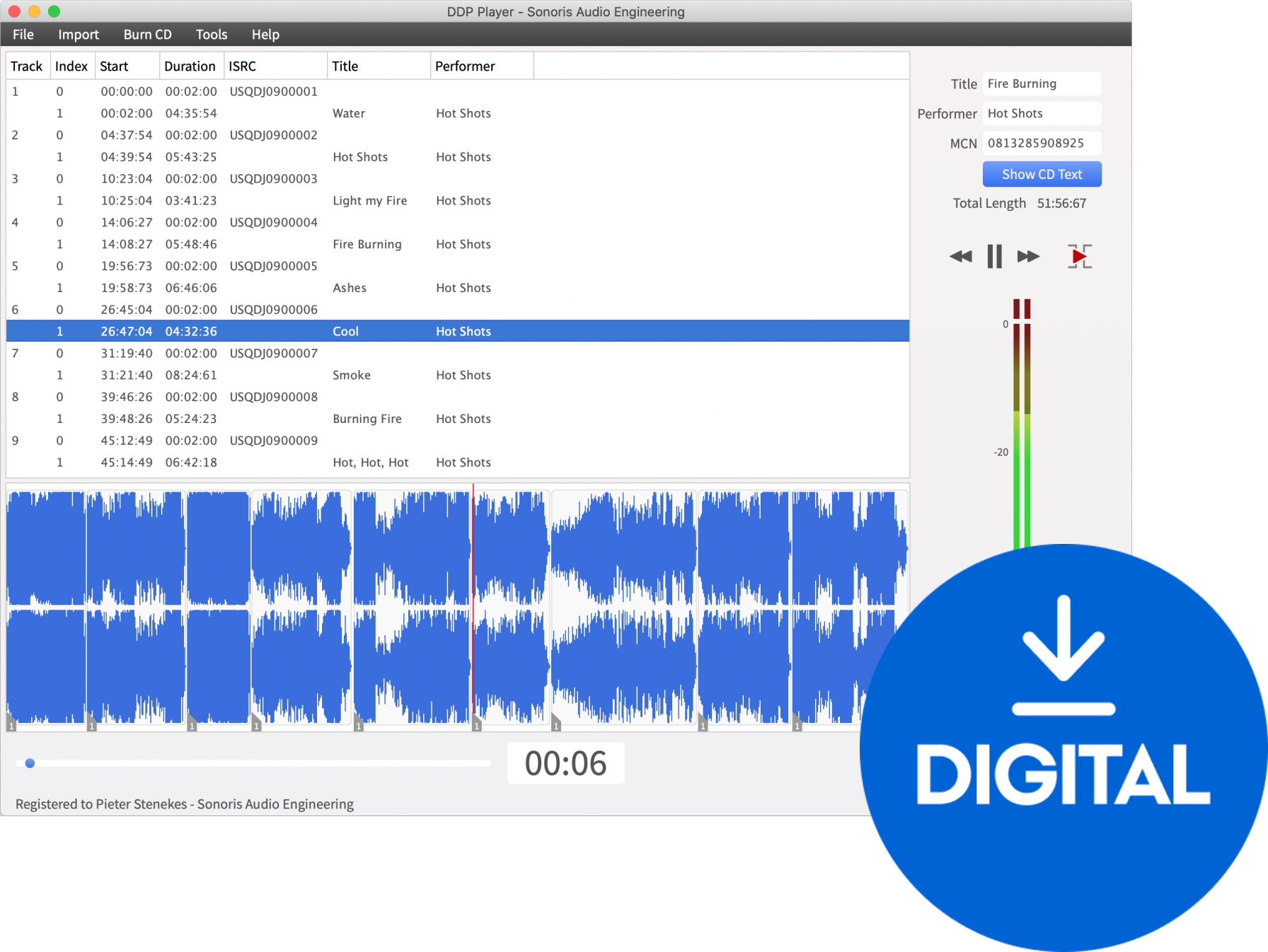
The core of it is finalisation. DDP Creator Pro turns a finished album into a DDP image, the format pressing plants accept a job in, gaps between tracks and ISRC codes included. The cheaper DDP Creator Standard does the same without the advanced features, and DDP Player plays the result back so you hear exactly what the plant will get before you send it.
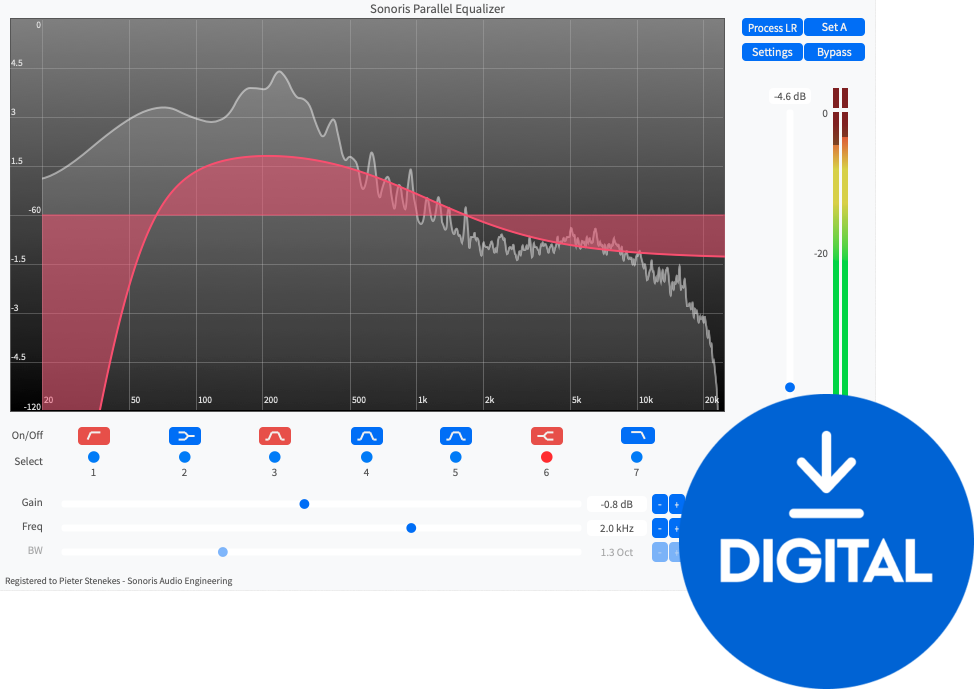
For the sound itself there are Mastering Equalizer and Mastering Compressor, plus Multiband Compressor, which lets you pull down just the bass or just the highs without touching the rest. Parallel Equalizer adds frequencies alongside the original signal, so the track gains weight without losing its dynamics. The last stop before export is Dither.
The whole series sits in mastering and finalisation and in studio software. Let us be straight about it though: you only need DDP if you genuinely send albums off to be pressed. If you mix at home and finish on Spotify, you will never open this format.
9. Cyma Forma ALT analogue synthesizer
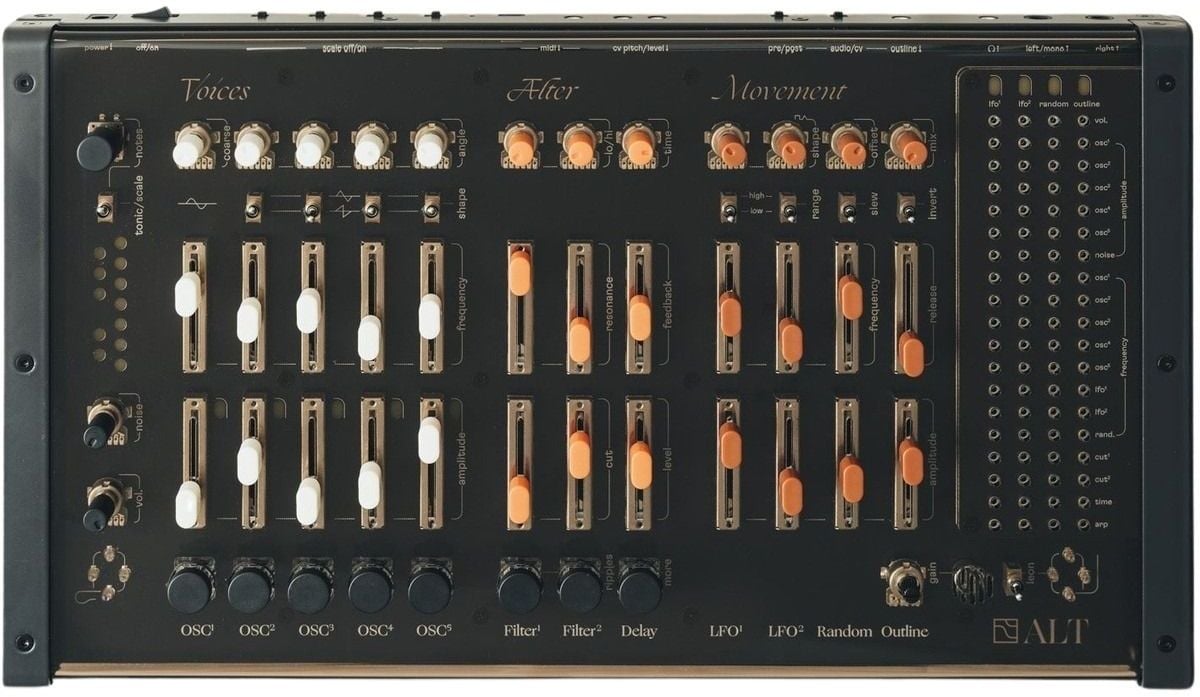
The second brand that joined us in August for the very first time. Behind Cyma Forma are two people in Paris, Vincent and Victor, who design the instruments and assemble them by hand from acrylic and powder-coated steel, and the ALT Analog Soundscape Synth is their first model with us.
It is built for pads, drones and textures that evolve on their own over time. The engine has five voices and runs them through a pair of stereo filters wired in series, and those filters can self-oscillate, meaning they produce a tone by themselves even with nothing fed into them.
The real fun is in the modulation. Modular systems are normally patched with cables draped across the whole instrument, but the ALT has a board full of small holes instead, with a set of short metal pins to go with it. Push a pin into a pair of holes and the connection is made, no cables and no scrolling through menus.
You can modulate from four sources. Two are LFOs, slow waves that sway the volume or the filter, the third is a random generator and the fourth tracks the level of the signal and can even listen through the built-in microphone, so the instrument responds to what is happening in the room. From the same pair we also have the smaller RND Synth. Do not expect bass lines or melodies from the ALT, that is not what it is for, and if you want a conventional synth, look at analogue synthesizers or the whole synthesizer category instead.
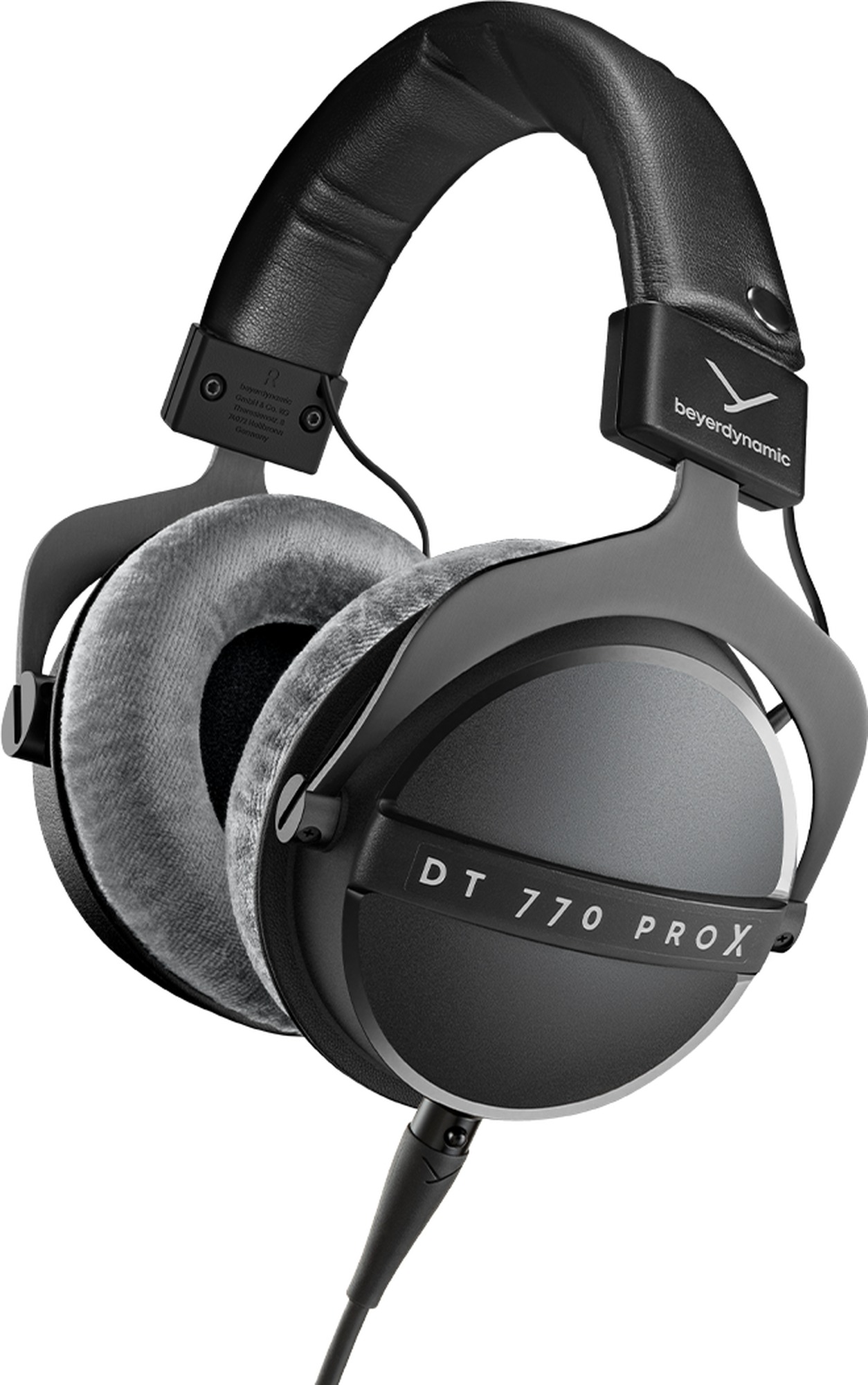
8. Beyerdynamic DT headphones
Beyerdynamic has been with us for years and the DT line is one of those things that simply keeps selling, because it hangs on hooks in studios all over the world. In August nine new models joined it at once, the whole broadcast range made in Germany.
Producers will care most about the DT 770 PRO X 48 Ohm. It runs on the new STELLAR.45 driver, keeps the sonic signature of the classic DT 770 and, crucially, has finally been given a detachable cable with a locking connector in the left cup, something professionals have been asking for over decades. At 48 ohms the impedance is low, so a laptop headphone output will drive them.
The rest of the range is aimed at live broadcast, podcasts and intercom, at situations where you have to listen and talk at the same time. The DT 797 PV takes the acoustics of the DT 770 PRO and adds a condenser microphone, which is unusual in this class, because the competition tends to fit tougher but less detailed dynamic capsules. The DT 297 PV MK II does the same for radio and adds shielding against interference from mobile phones.
The DT 290 MK II and DT 280 MK II headsets carry a microphone on a flexible gooseneck you can flip to either side of your head, while the DT 109, DT 108 and DT 252 have survived in control rooms for decades precisely because every single part on them can be replaced. The closed design of the DT 770 cuts both ways though: it isolates brilliantly, but open headphones will show you more of the space and depth in a mix. The rest of the range is in studio headphones.
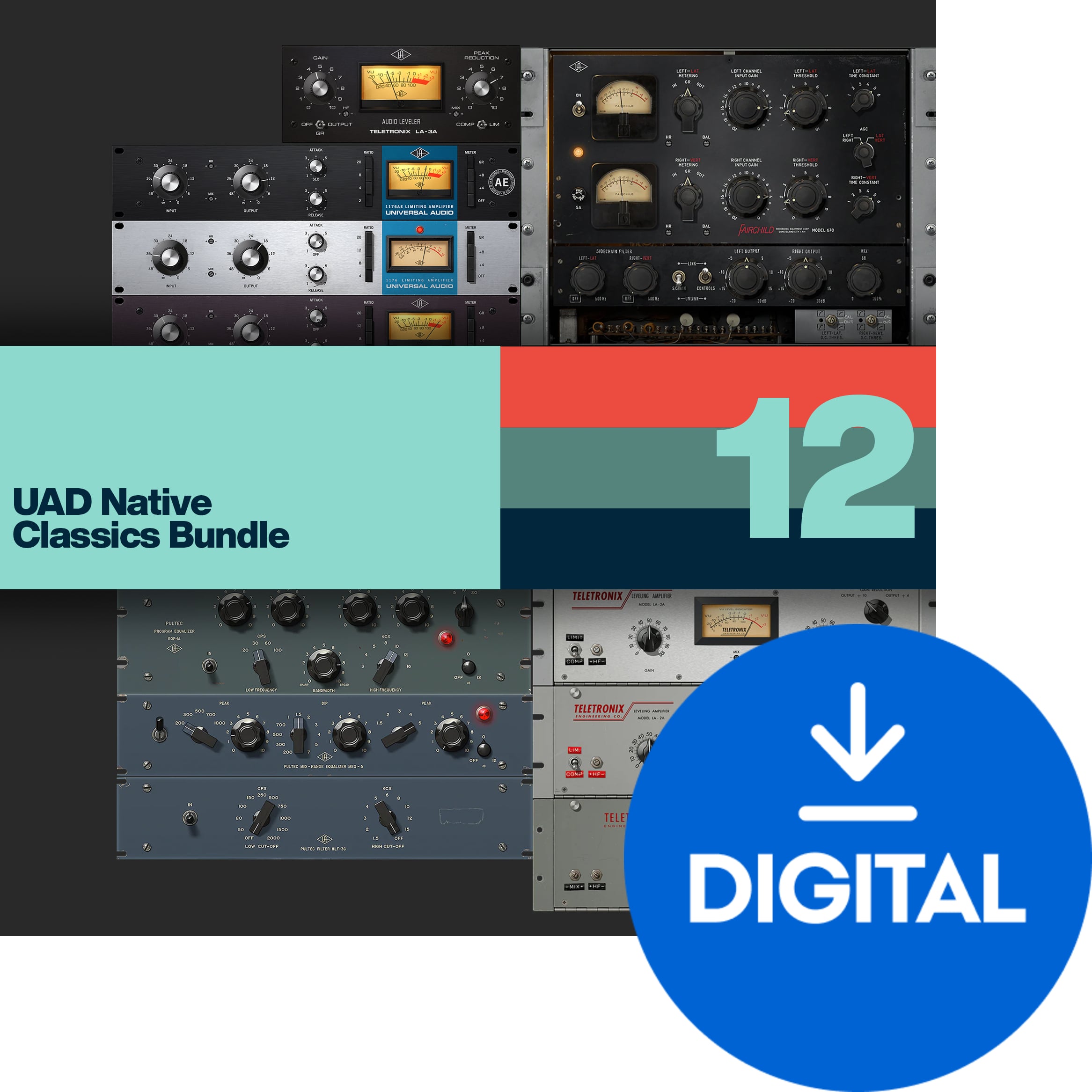
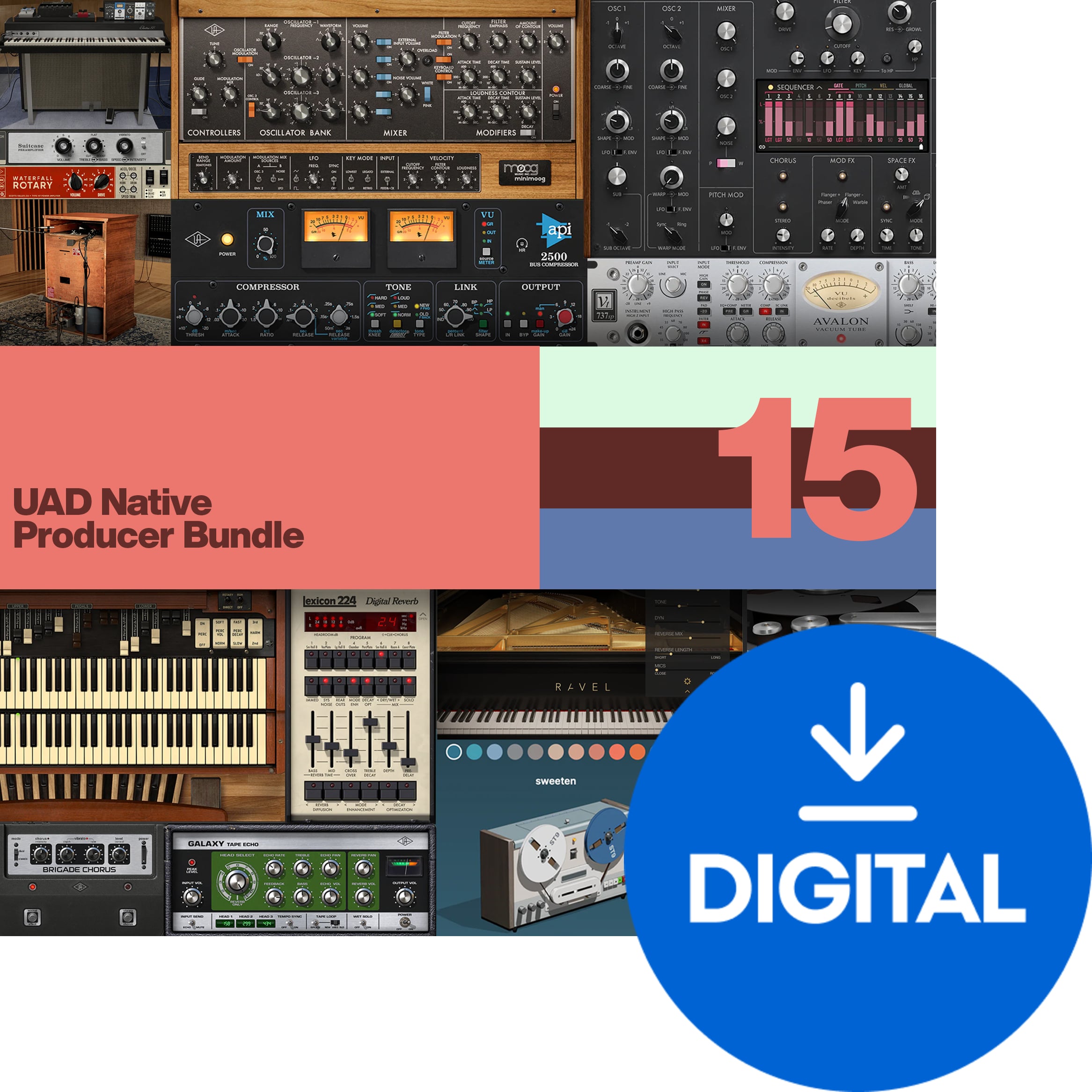
7. Universal Audio UAD Native Pro plugins
We have carried Universal Audio for a long time, but mostly as hardware, because UAD plugins also required an Apollo interface, since the processing ran on a chip inside it. That rule has just gone. UAD Native Pro, which arrived in August, runs directly on your computer in VST3, AU and AAX, and needs no hardware at all.
The bundle holds SSL and API channel strips, Fairchild and Empirical Labs compressors, Pultec EQs and Lexicon reverbs. They are emulations of the gear records have been made on for the last sixty years, so you have been listening to most of it for years without necessarily knowing.
The licence is perpetual, so you pay once and the software stays yours, with no monthly subscription. Watch out for one thing though: without an Apollo the processing eats your computer CPU, so on an older machine with a big session you will feel it. If the full version is too much, we also stock the smaller Classics, Producer and Studio bundles, and there are more ideas among software plug-in FX processors.
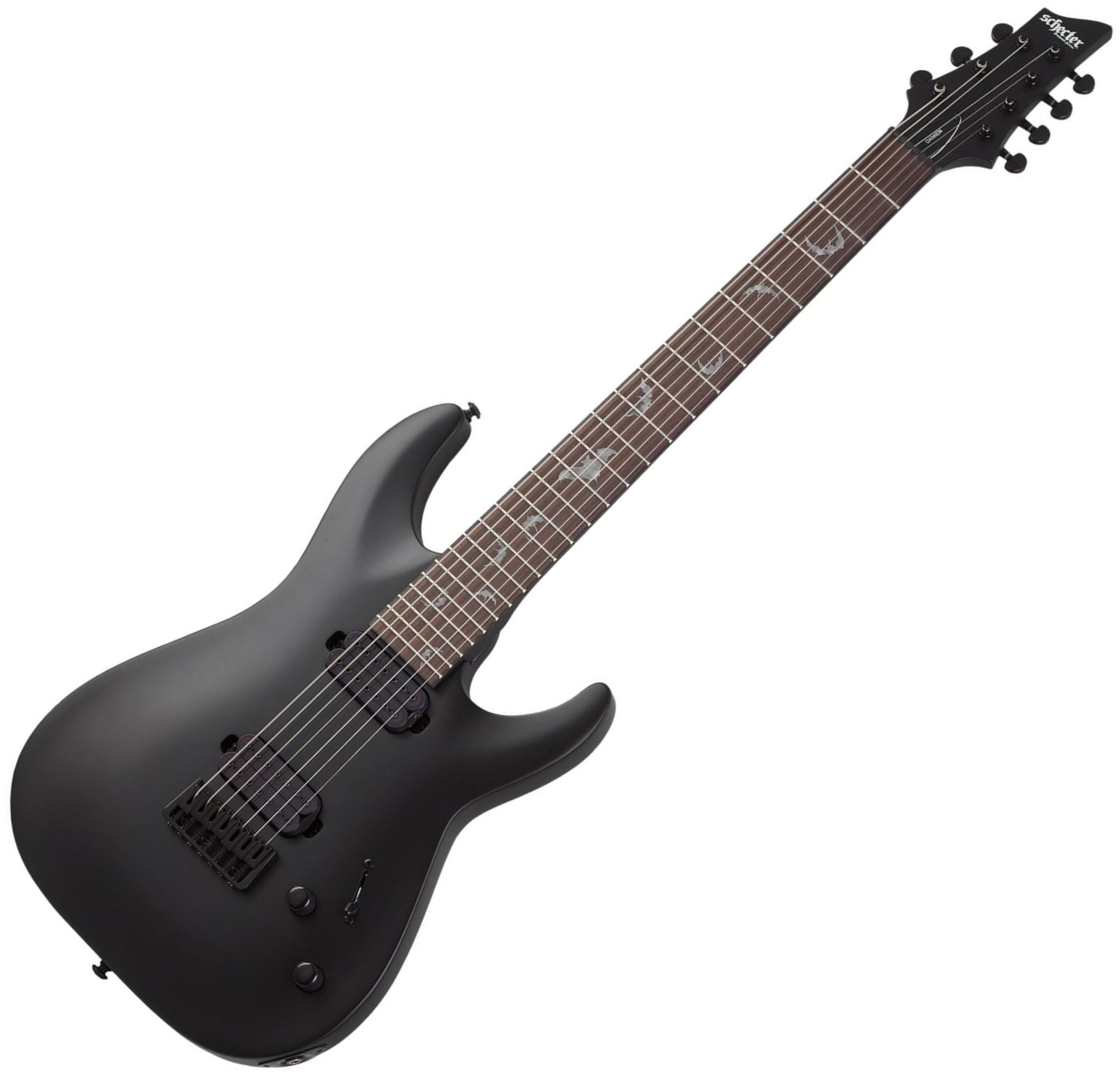
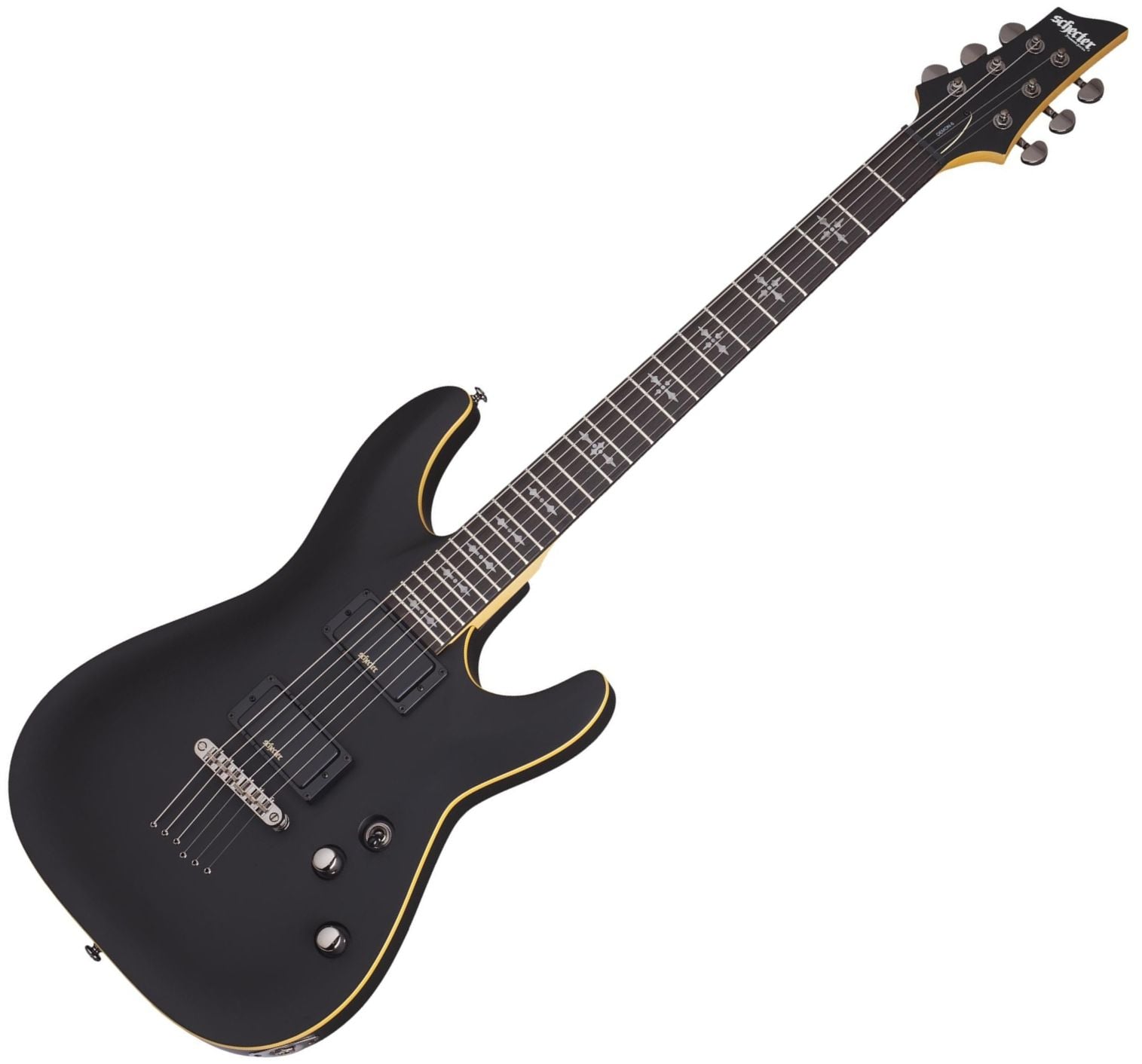
6. Schecter E-1 Custom, Damien-7 and Demon-6 guitars
Schecter is one of our constants in the heavier genres, and in August we added three new models to the range. Each one is aimed at a different player.
The E-1 Custom in Vintage Sunburst is the best equipped of the three. It has a mahogany body with a quilted maple top and a set neck that is carved thinner where it meets the body, so you reach the top frets comfortably. The pickups are Schecter USA and the tone control carries a coil split, meaning pulling the knob turns the humbucker into a softer single-coil sound. The shorter 24.75 inch scale makes bending easier.
The Damien-7 in Satin Black is a seven string for low tunings. The extended 26.5 inch scale keeps even the thickest string under tension, so it does not rattle against the frets when you go deep, and the through-body stringing lengthens the sustain. You will find it among 7-string guitars.
The Demon-6 in Aged Black Satin is the most affordable and the only one built on active electronics, meaning pickups with their own preamp. They push harder and hiss less, but they need a 9V battery you have to keep an eye on, because if it dies mid-gig the guitar goes completely silent. You will find all three and their rivals in hard & heavy and super ST models.
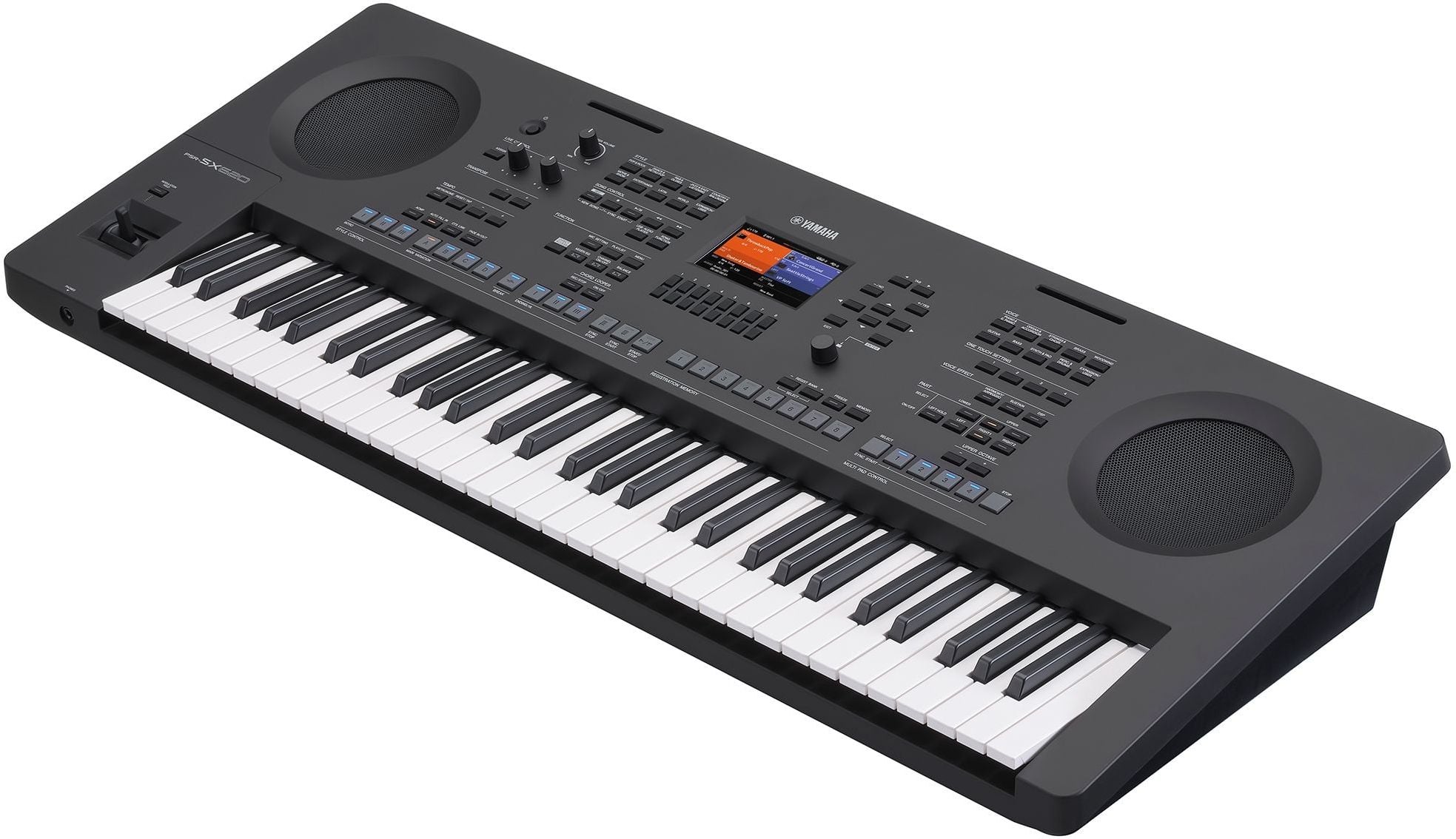
5. Yamaha PSR-SX620 keyboard
Yamaha needs no introduction, it has been in our catalogue practically from the start, and in August a new entry-level model joined its PSR-SX arranger line. The idea behind the range is simple: you hold a chord with your left hand and the instrument plays drums, bass and backing to go with it, so you play alone and it sounds like a band.
The PSR-SX620 has 61 keys, 1002 voices and 450 styles from waltz to funk. The panel has been redesigned compared with its predecessor and a joystick has replaced a row of buttons, so you do not have to hunt for the right one with your eyes while playing.
There is a new Chord Looper that loops a chord progression and frees up both hands for a solo, plus Bluetooth streaming from your phone and a built-in 16-track recorder for catching an idea quickly. At 8.1 kg you carry it to rehearsal in one hand. The keyboard is not weighted though, so if you are after the feel of a piano under your fingers, this is not your instrument and you should look at digital pianos instead. Alternatives are among professional keyboards and in the keyboards category.
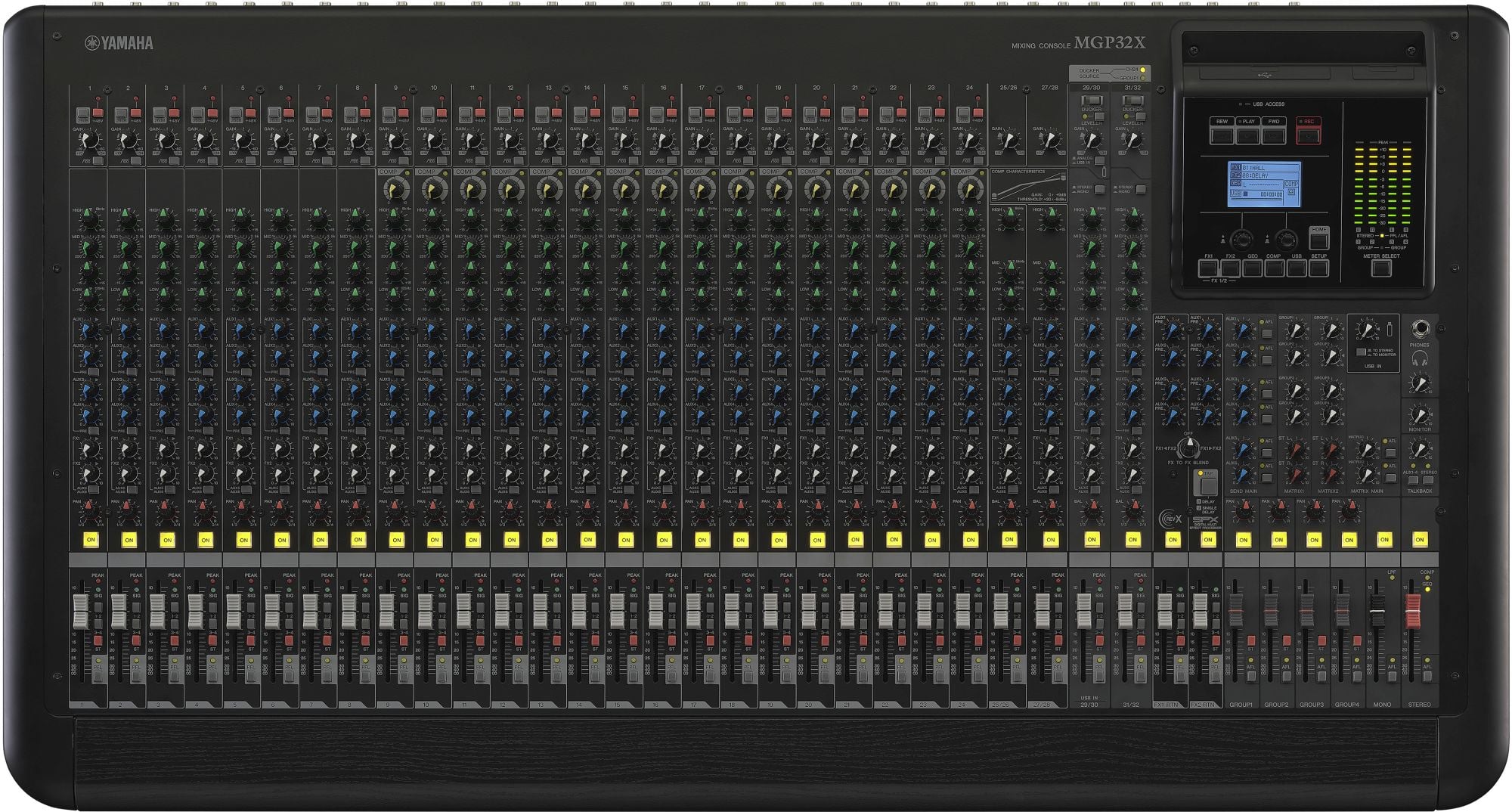
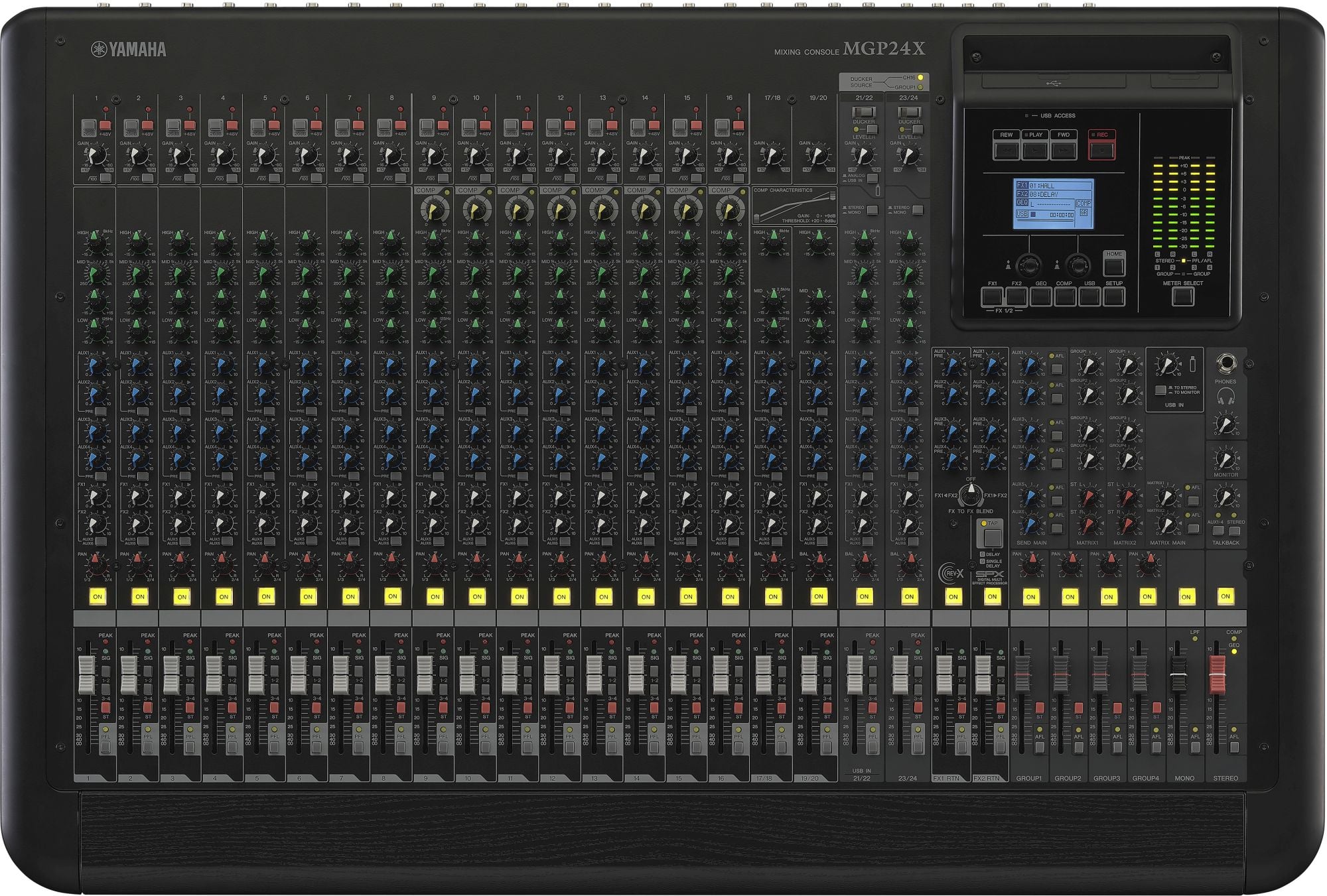
4. Yamaha MGP32X A and MGP24X A mixers
We are staying with Yamaha, this time on stage. Its MGP analogue mixers have been among our best sellers for years and it has just replaced them with a new generation, which we put on the shelf straight away. The MGP32X A has 32 input channels, 8 outputs and 4 subgroups, enough for a larger band with a horn section, and the smaller MGP24X A offers 24 channels.
The headline feature is a compressor on the main output. It automatically pulls down the loudest moments and lifts the quieter ones, so the mix holds together even when nobody is standing at the desk. It works in classic and in multiband mode, and at this price level that is still more the exception than the rule.
The D-PRE preamps take a loud vocal without starting to distort, and over USB you can record a whole concert straight into a computer. It is analogue with everything that entails, though, so you cannot save a setting and you start from scratch before every show. Anyone who needs to recall a scene with one button belongs in the digital world. Compare them with other analogue mixers, mixers up to 32 channels or mixers with USB.
3. Fender Player Fusion guitars
Fender is right at home with us and you will find its Telecaster and Stratocaster in the shop in dozens of versions, but this line is not what you are used to from them. The limited Player Fusion has joined the range, and in it Fender took both of its best-known silhouettes and rebuilt them for high-gain playing.
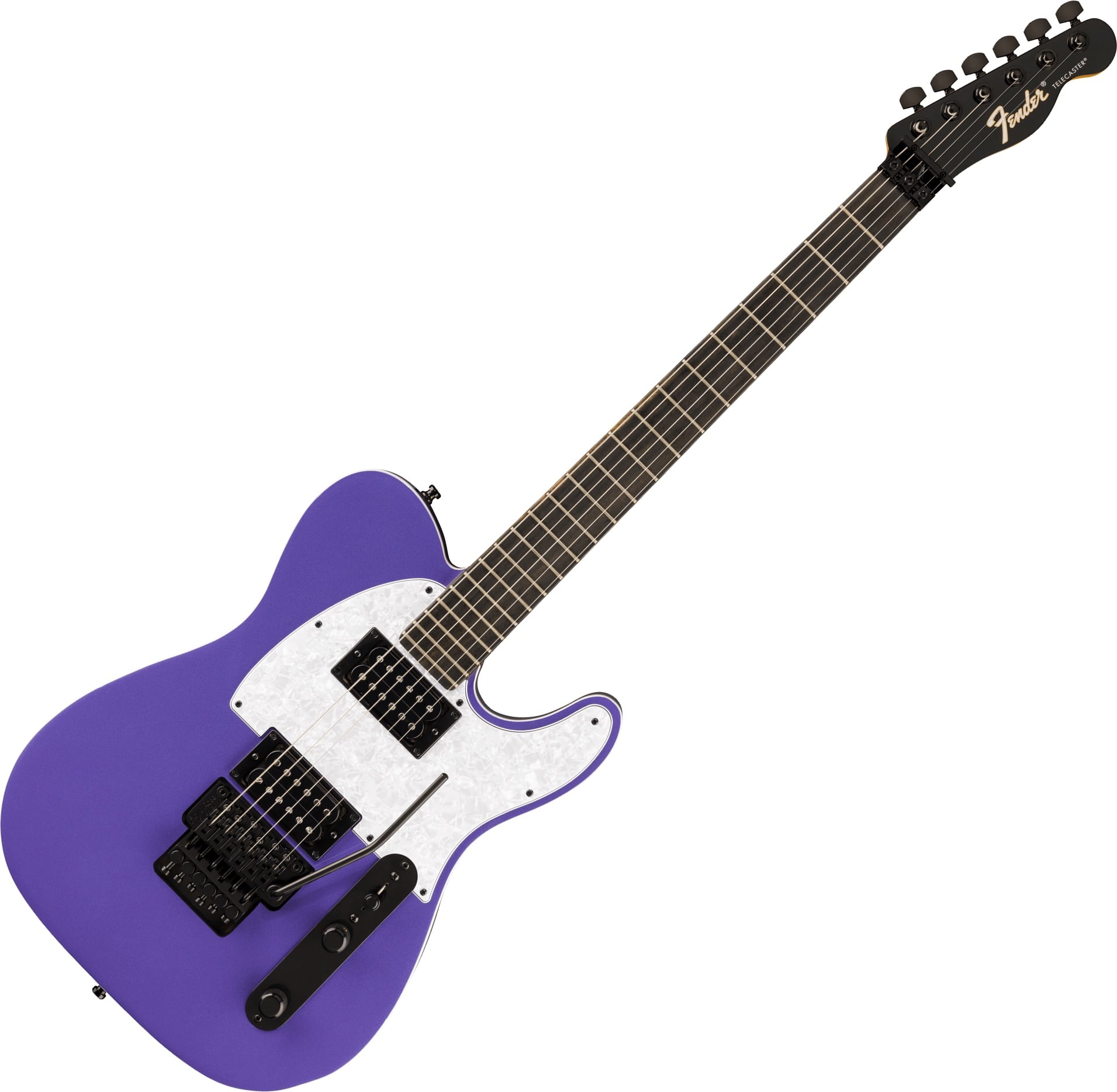
The Player Fusion Telecaster HH FR in Aura Metallic is the bolder of the two. Instead of the classic single-coils it carries two humbuckers, and instead of a fixed bridge a Floyd Rose Special tremolo with a locking nut that clamps the strings at the nut and holds the tuning even after dive bombs. The ebony fretboard is deliberately left without inlays, which looks superb and gets you looking at your hand less.
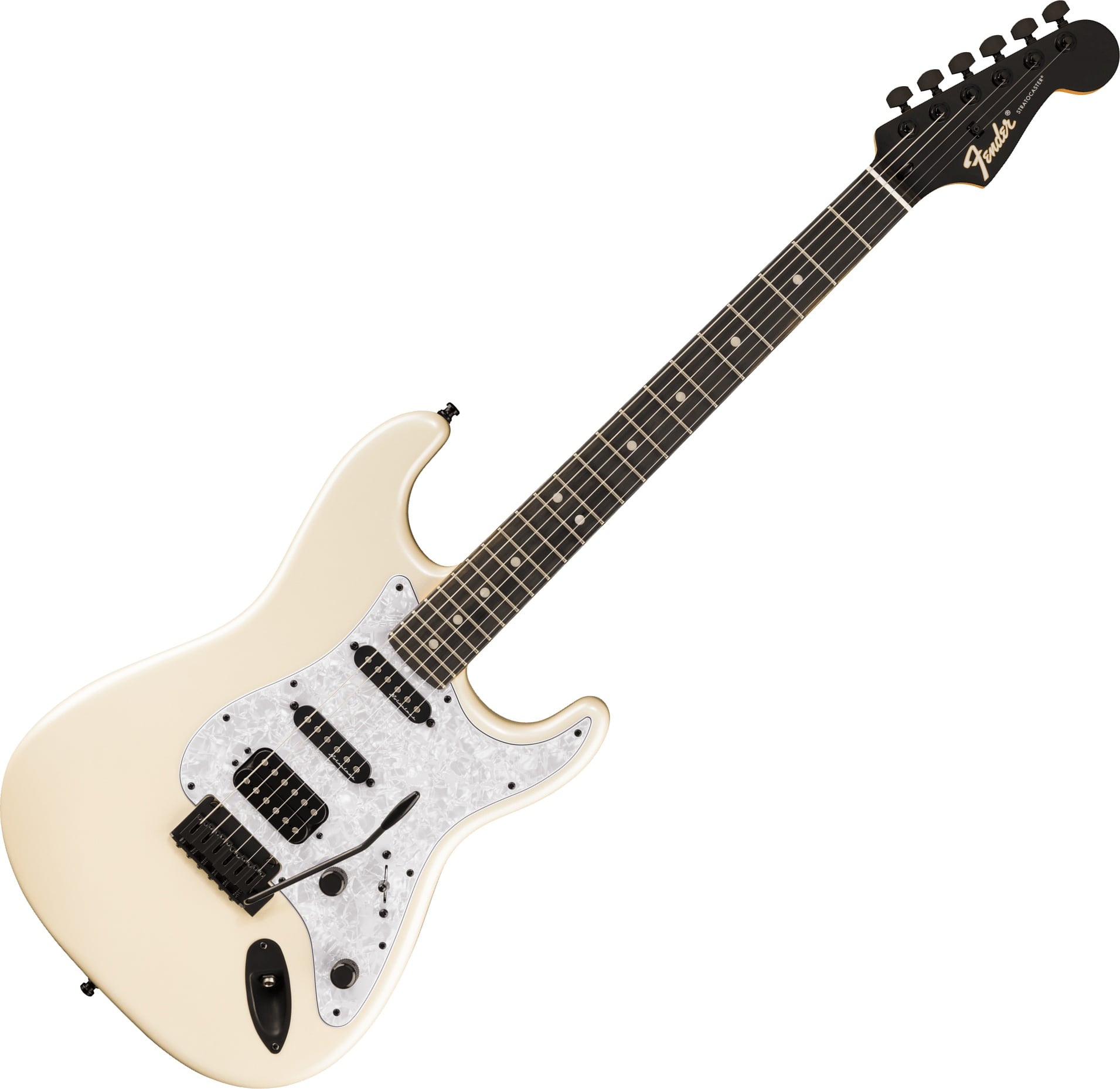
The Player Fusion Stratocaster HSS in Olympic Pearl is the more versatile one. The bridge humbucker pushes the drive, two Noiseless single-coils keep the neck and middle positions clean and free of the hum old Stratocasters picked up under distortion, and the coil split on the tone control opens up glassy single-coil sounds from the humbucker as well. One guitar gives you funk and metal.
Both come with locking tuners, black hardware and a deluxe gigbag included. If you have never set up a Floyd Rose before, go through our guide on how to set up a Floyd Rose, where we take you through the whole thing step by step and on video. Have a look at T models, ST models, all electric guitars and guitar pickups too.
2. DGZ Dime Guitarz Culprit guitars
The third brand we had never carried before. DGZ Dime Guitarz is built around the legacy of Dimebag Darrell of Pantera, and we brought it in with six colour versions of the Culprit straight away.
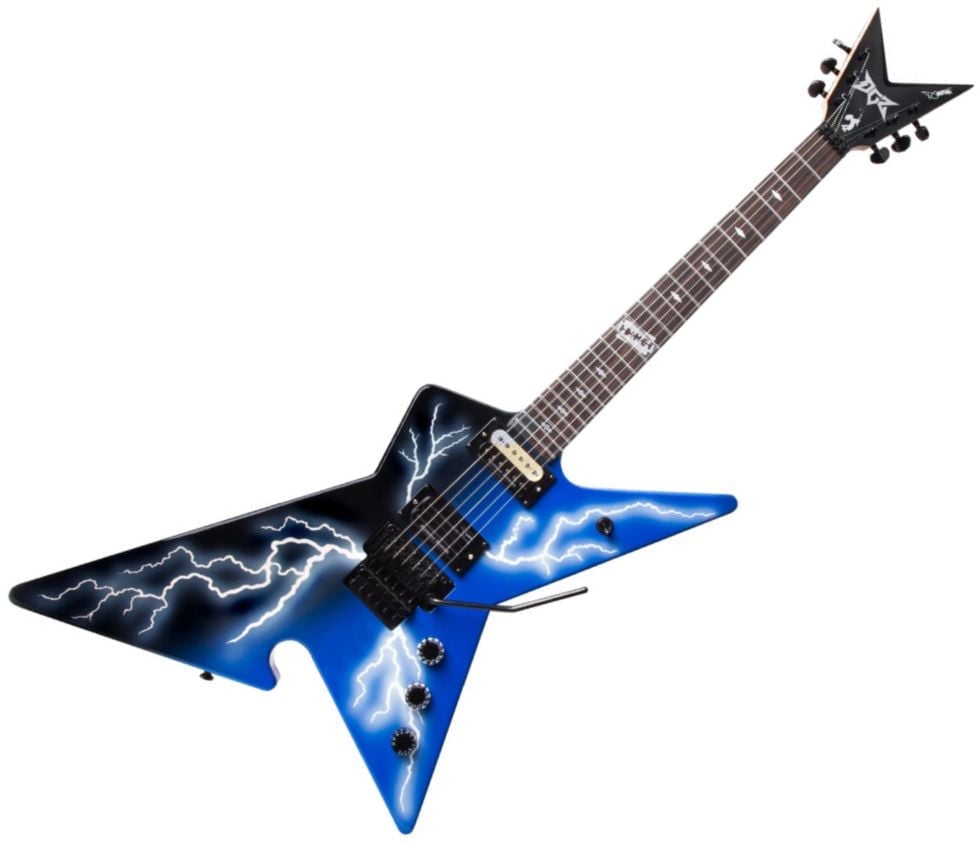
Dimebag designed the Culprit in 1998 and it is built to his original Custom Shop specifications from the United States. A signature Dimebucker sits at the bridge and a Seymour Duncan '59 at the neck, exactly the combination behind the attack and the sharp harmonics on his records.
One thing the original did not have is the DimeBooster. Press the tone control and the pickups get up to 15 dB of extra gain, which in practice is the difference between rhythm and a solo without stepping on a pedal. It needs no battery, it charges over USB-C.
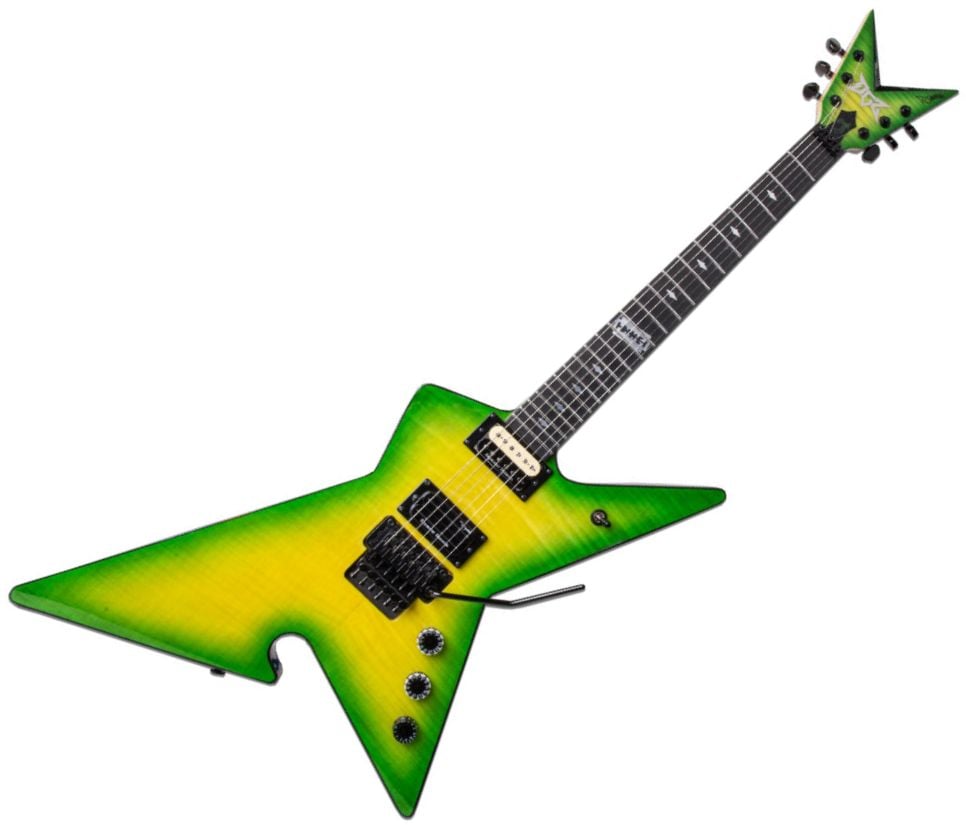
You can pick from six colour variants: Dime Slime, Dimebolt, Blackjack, Cherry Bomb, Blacktooth and Tobacco Sunburst. It is a single-purpose instrument and we will not pretend otherwise, so do not buy it for jazz or funk. The rest of this scene is in hard & heavy.
1. Denon PRIME 4 G2 DJ system
Denon is one of our DJ constants and you know its PRIME line for playing without a computer attached. In August its second generation arrived, and it is also the most expensive DJ release of the month.
No laptop, no Serato or Rekordbox running in the background, because the music and the software both sit inside the unit. Slot in a USB stick or an SD card, or connect to Wi-Fi, and you are playing four decks from a single device.
For a mobile DJ it packs the whole setup into one case and removes half the things you plug in on arrival. For a club DJ it is a backup that will not crash because of an operating system, since there is none running. You pay for that though, and you carry a serious lump of hardware, so if you play once a month with a laptop that works, there is no reason to switch. Have a look at the other DJ controllers and software, DJ mixers and all DJ equipment as well.
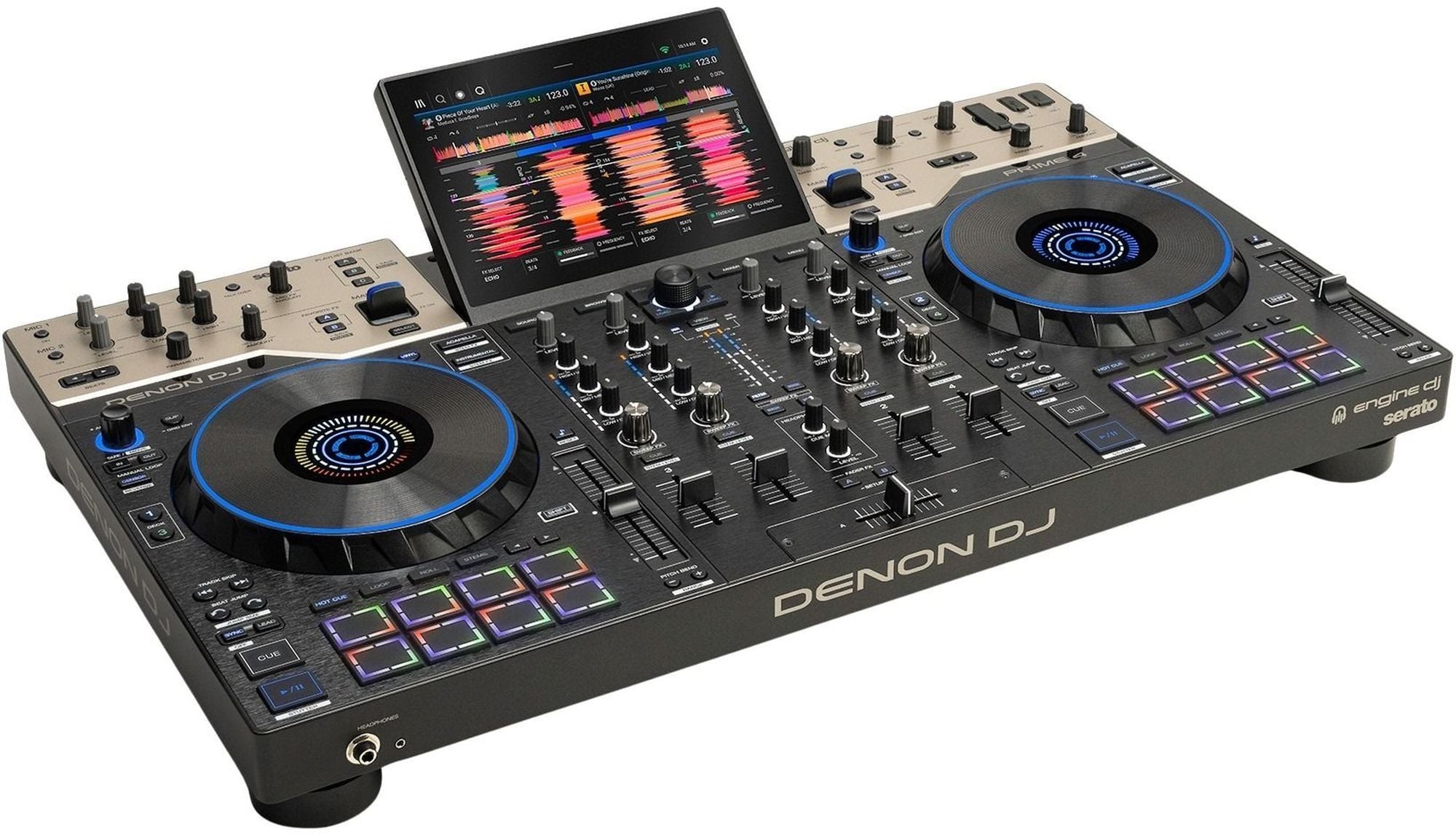
Photo source: Muziker, manufacturer websites