 Albania
 Argentina
 Australia
 Austria
 Belgium
 Bosnia and Herzegovina
 Brazil
 Bulgaria
 Canada
 Chile
Chile
 Colombia
 Croatia
 Czech Republic
 Denmark
 Estonia
 Finland
 France
 Germany
 Greece
 Hungary
 Ireland
 Italy
Italy
 Latvia
 Lithuania
 Luxembourg
 Mexico
 Moldova
 Montenegro
 Netherlands
 New Zealand
 North Macedonia
 Norway
 Philippines
 Poland
 Portugal
 Romania
 Serbia
 Slovakia
 Slovenia
 South Africa
 Spain
Spain
 Sweden
 Switzerland
 Turkey
 Ukraine
 United Kingdom
 United States of America



Condenser vs. Dynamic Microphone – Which One Do You Need?
Condenser or dynamic — when someone asks which microphone to buy, this is always the first question. Short answer: condenser is the studio king, dynamic rules the stage. But the truth is more nuanced. Let's break it down once and for all.
Condenser Microphone — What It Is and When You Need It
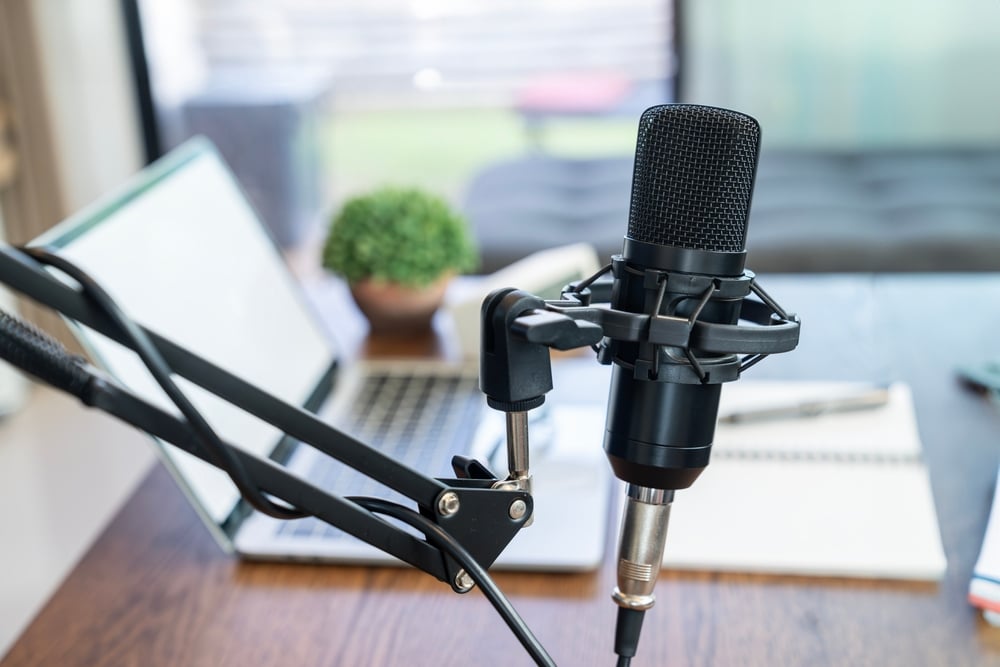
A condenser microphone is a sensitive, precision instrument. It captures every whisper, every breath, every detail — which is exactly why studios love it.
A condenser microphone works on the principle of a capacitor — two charged plates where sound waves change the distance between them, generating an electrical signal. The result? Extremely natural, detailed, transparent sound. It needs phantom power (+48V) supplied by an audio interface or mixer.
A condenser microphone is the right choice when:
A condenser microphone is the right choice when:
- You're recording vocals in a home or professional studio
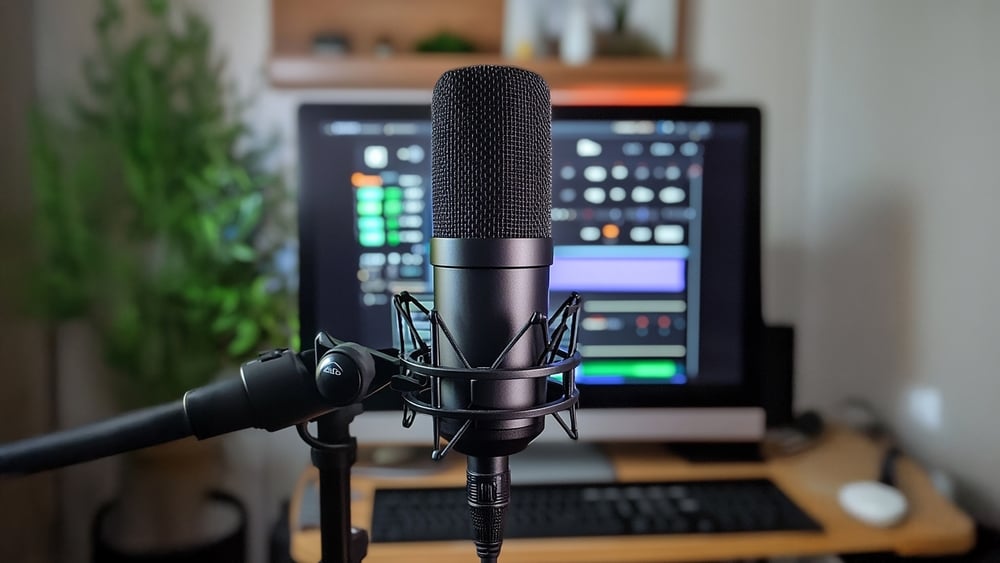
- You're podcasting or making YouTube content and voice quality matters
- You're recording acoustic guitar, piano, or orchestral instruments
- You're working in a quiet environment — condensers pick up ambient noise too
Dynamic Microphone — The Tough Workhorse for Every Situation
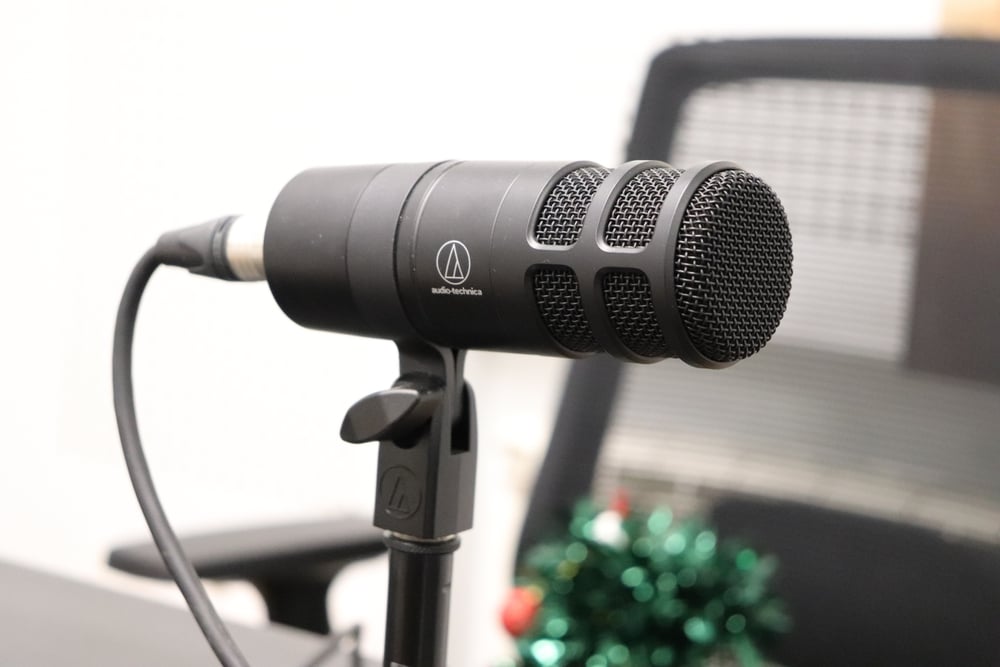
A dynamic microphone works on electromagnetic induction — a coil on the diaphragm moves in a magnetic field and generates a signal. Simpler, tougher, no power required. The sound is warmer and less detailed — but that's exactly its strength on stage.
A dynamic microphone is the right choice when:
A dynamic microphone is the right choice when:
- You're singing or speaking on stage with background noise
- You're recording guitar amplifiers or drums
- You need tough kit that can survive a tour
- You don't have an audio interface with phantom power
- You're in a noisy environment — dynamics isolate the source better
Condenser vs. Dynamic — Side-by-Side Comparison
| Condenser | Dynamic | |
|---|---|---|
| Principle | Capacitor | Electromagnetic induction |
| Sensitivity | High — captures every detail | Medium — robust sound |
| Frequency range | Wider, more transparent | Narrower, warmer character |
| Phantom power (+48V) | Yes — requires +48V | No — works standalone |
| Durability | Lower — sensitive to drops | High — tour-ready |
| Background noise | Picks up ambient noise | Better source isolation |
| Best for | Studio, podcast, acoustic instruments | Live vocals, drums, guitar amps |
| Price range | From €30 to thousands | From €15 to thousands |
How to Choose Based on What You Do
Home Studio and Vocal Recording
For home studios, a condenser mic is the first choice. It captures voice nuances, articulation details and natural timbre. Important: you need an audio interface with phantom power (+48V) — without it, a condenser won't work. If your room has reverb, invest in acoustic foam too. Great entry-level options: Audio-Technica AT2020, Rode NT1, AKG C214.
Podcast and Streaming
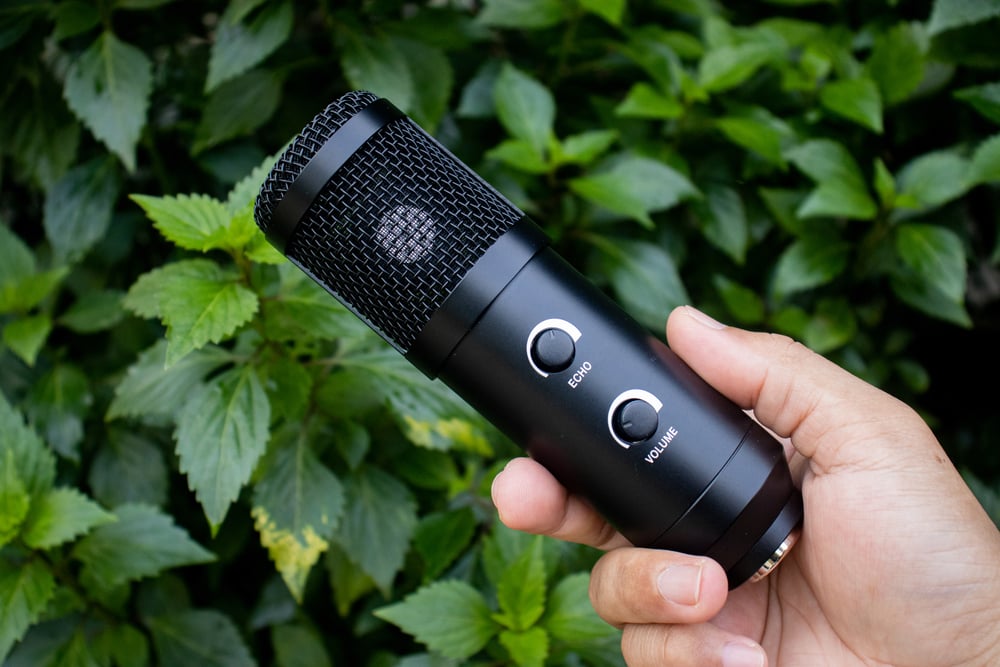
Both types work for podcasts — it depends on your environment. Condenser sounds cleaner but picks up every ambient noise (fans, traffic, keyboard clicks). Dynamic is more forgiving — ideal if you haven't acoustically treated your room. For hassle-free recording without a separate interface, USB microphones have a built-in audio converter right inside.
Live Performance and Stage Singing
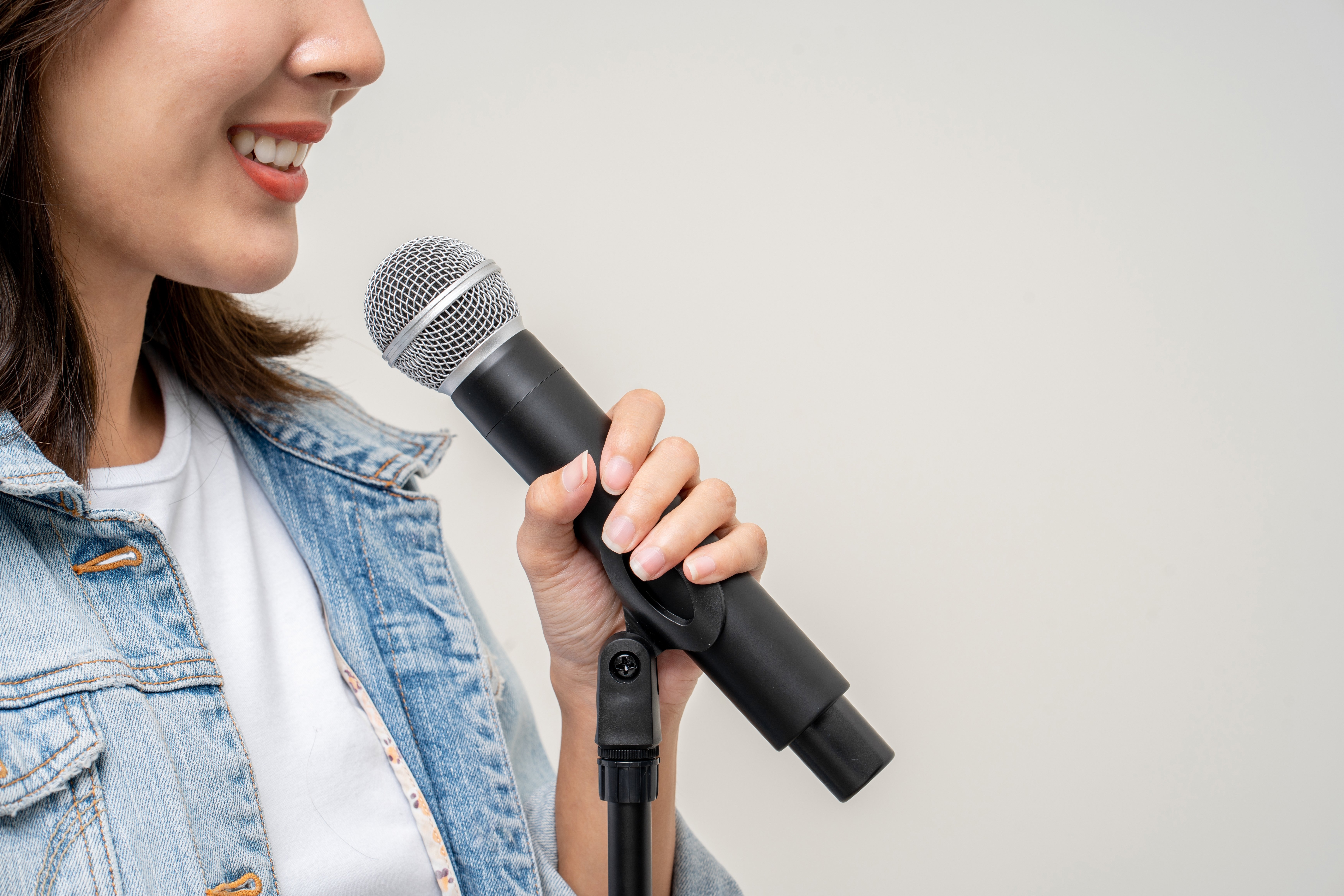
On stage, dynamic wins hands down. It's rugged, needs no phantom power, isolates voice from stage noise and handles rough treatment during shows. The genre classic: the Shure SM58 has been the live vocal standard for decades. If you need freedom of movement, check out wireless microphone systems.
Recording Guitars, Drums and Other Instruments
The right choice depends on the sound source:
- Acoustic guitar, piano, strings → condenser (detail and naturalness)
- Guitar amplifier → dynamic (Shure SM57 is the industry standard)
- Drums → combination: dynamics on toms and snare, condenser overhead for the overall picture
- Studio recording → see our studio microphones
Frequently Asked Questions About Microphones
Can I plug a condenser microphone directly into my computer?
Most condenser mics need an XLR connector and an audio interface with phantom power. The exception: USB condenser mics (e.g. Blue Yeti) connect directly via USB with no interface needed.
What is phantom power and how do I turn it on?
Phantom power (+48V) is the voltage sent through the XLR cable from an audio interface or mixer to power a condenser mic. Most interfaces have it — just press the button labelled "48V" or "+48V".
Which microphone is best for beginners?
Starting with home recording: a USB condenser mic (e.g. Audio-Technica AT2020 USB) — no interface needed, plug in and record. Starting with live singing: a dynamic Shure SM58 or its clone, the Behringer SL 84C.
Can I use a dynamic microphone in a studio?
Yes — dynamic mics are excellent in studio for guitar amps, drums and vocals where you want a warmer, less detailed sound. Many professional studios use the Shure SM7B for vocals precisely for its warmth.
Is a more expensive microphone always better?
Not necessarily. In a home studio with reverb, even a €1,000 mic won't save you — room acoustics matter more than microphone price. Invest in acoustics first, then in your microphone.
Most condenser mics need an XLR connector and an audio interface with phantom power. The exception: USB condenser mics (e.g. Blue Yeti) connect directly via USB with no interface needed.
What is phantom power and how do I turn it on?
Phantom power (+48V) is the voltage sent through the XLR cable from an audio interface or mixer to power a condenser mic. Most interfaces have it — just press the button labelled "48V" or "+48V".
Which microphone is best for beginners?
Starting with home recording: a USB condenser mic (e.g. Audio-Technica AT2020 USB) — no interface needed, plug in and record. Starting with live singing: a dynamic Shure SM58 or its clone, the Behringer SL 84C.
Can I use a dynamic microphone in a studio?
Yes — dynamic mics are excellent in studio for guitar amps, drums and vocals where you want a warmer, less detailed sound. Many professional studios use the Shure SM7B for vocals precisely for its warmth.
Is a more expensive microphone always better?
Not necessarily. In a home studio with reverb, even a €1,000 mic won't save you — room acoustics matter more than microphone price. Invest in acoustics first, then in your microphone.
Find the Right Microphone at Muziker
Whether you're setting up a home studio, starting a podcast, or stepping on stage for the first time — Muziker has the right microphone for you.
Browse our condenser microphones (Audio-Technica, Rode, AKG, Neumann, Blue), dynamic microphones (Shure, Sennheiser, Behringer) and USB microphones for plug-and-play recording. See the full microphone range in one place. Our team at Muziker stores is always happy to help you choose.