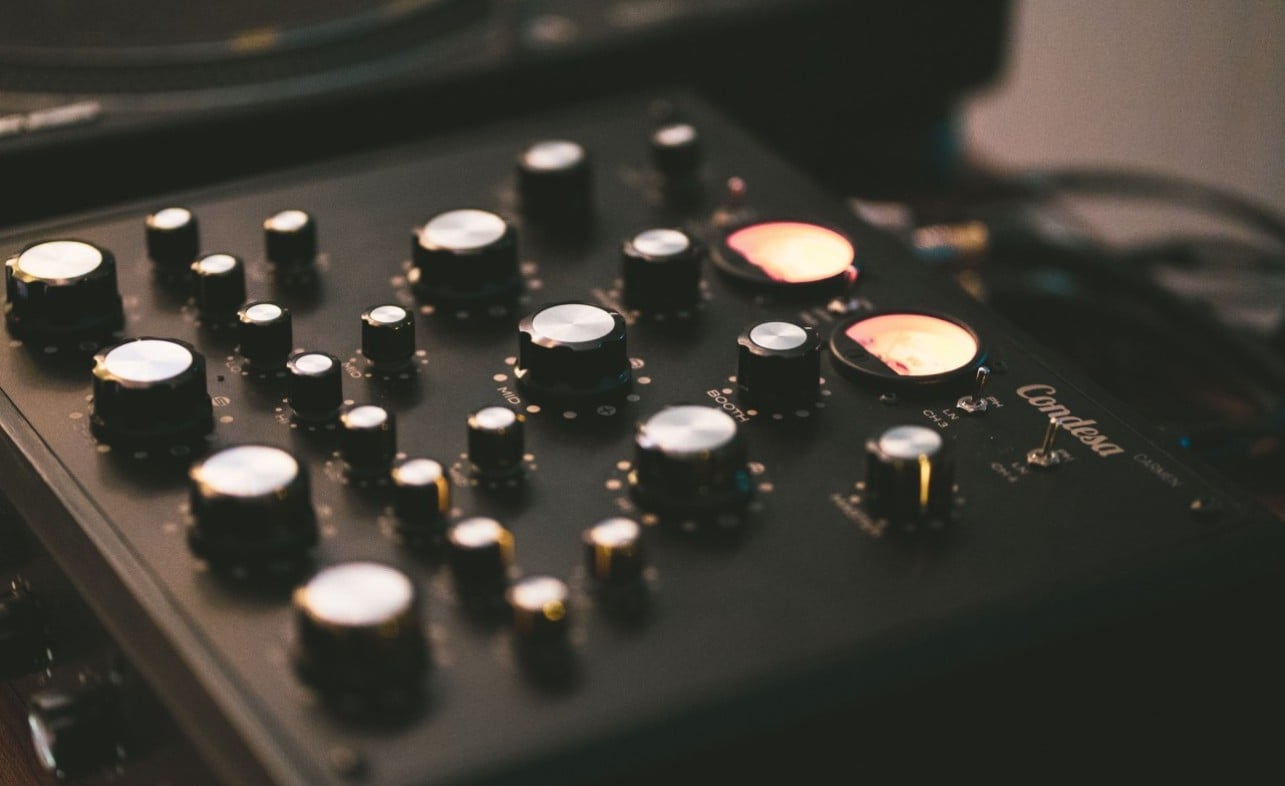
What is a rotary mixer?
A rotary mixer is a DJ mixer where you control channel volume with rotary knobs instead of linear faders. It usually has no crossfader and is built for smooth, gradual transitions.
A classic DJ mixer has vertical faders and a crossfader for quick cuts and scratching. A
rotary analog mixer is a different philosophy. And a fun fact to start with: it is not a novelty but the very first type of DJ mixer ever. In the 1970s, rotary mixers like the Bozak and UREI stood in legendary New York clubs such as Studio 54 and Paradise Garage. The crossfader and faders came later with hip-hop, when DJs needed fast cuts and scratching. So a rotary is not a retro gimmick but a return to the roots.
Why does a rotary mixer sound so warm?
Behind that warm sound is a simple analog signal path. The rule is that the fewer components sit in the path, the less the sound is coloured and the cleaner it stays. Rotary mixers add only gentle analog harmonic distortion that thickens the sound and gives it that famous warmth, much like vinyl does. So-called headroom helps too: on a good rotary mixer you keep a reserve at normal volume, so you overload nothing and the mix stays clean and full. The result is a soft, musical sound with rich lows that feels organic rather than sharp and digital.
What character does a rotary mixer have and what types exist?
Rotary mixers differ mainly in the number of channels and the features, but they share the feel of playing. The knobs turn with resistance and precision, so you play more like on a musical instrument. DJs compare it to the difference between a manual and an automatic car; with a rotary you feel that the mix is fully under your control.
Two-channel models are for purists and playing from two turntables, while four-channel ones make room for more sources. As an affordable entry into the world of rotary, the
Omnitronic TRM-222 serves well, a two-channel model with an isolator and a warm sound. If you want more channels, the
Omnitronic TRM-422 by
Omnitronic adds four channels for a bigger setup. And the
Ecler DJ Warm 2 says it in the name: a warm, full sound in a compact package. Thanks to several inputs you can connect turntables, CD players and external effects to them. You will find the whole range in the
rotary analog DJ mixers category.
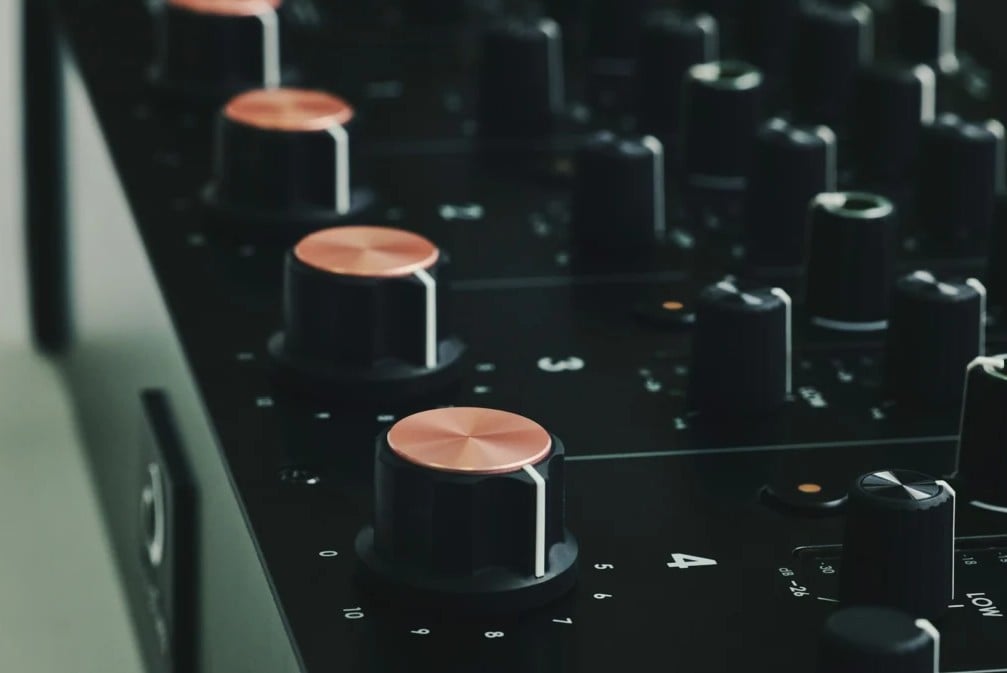
Why does a rotary suit vinyl?
A rotary mixer and a
turntable are a classic pair. This format grew up on vinyl and disco music and still suits it best today.
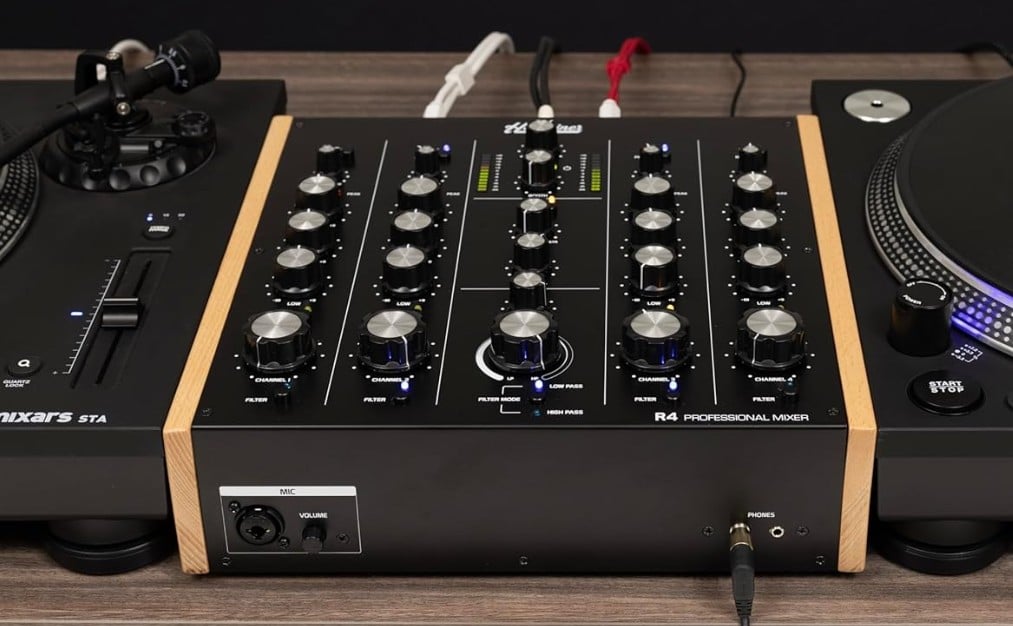
The warm analog sound of a rotary mixer beautifully complements the character of a record, and the gradual knobs suit long, smooth transitions like those in house, disco or techno. If you are building a vinyl setup at home, a rotary mixer, two
turntables and a pair of good speakers is a rig that lasts for years. For how to pick the deck itself,
how to choose a turntable will help.
When to reach for a rotary instead of a classic mixer?
Choose a rotary if you play long, smooth sets, go for house, disco, techno or ambient and care about sound and vinyl. A
rotary mixer is built exactly for this style. It is more of a choice for experienced DJs who know exactly what sound they want. Without a crossfader and effects it gives fewer crutches, but it is rugged and lasts for years, so it is a long-term investment.
Choose a classic
DJ mixer with faders and a crossfader if you want to scratch, do fast cuts, play hip-hop, want plenty of built-in effects or are just starting out and looking for a versatile tool. Neither choice is better, each simply serves a different style. If you are still thinking about the whole setup,
how to choose a DJ controller will help.
MUZIKER TIP:
A rotary mixer is only as good as the rest of your chain. A quality analog sound shines only with a good source and proper speakers, so do not feed it a compressed MP3 and do not pair it with cheap boxes. Invest in speakers and clean music too, otherwise you will not hear the advantage of a rotary mixer.
Frequently asked questions about rotary mixers
What is the difference between a rotary and a classic DJ mixer?
A
rotary mixer is controlled with rotary knobs and built for smooth transitions. A classic
DJ mixer has linear faders and a crossfader for fast cuts and scratching. A rotary suits a long mix, a classic one suits tricks and performance.
Why do rotary mixers have no crossfader?
Because they are not built for fast cuts and scratching but for gradual blending of tracks. A crossfader would have little use in their philosophy, so most models leave it out.
Can you scratch on a rotary mixer?
It is not built for that. Without a crossfader and with rotary knobs you practically cannot scratch. If you want to scratch, choose a classic
DJ mixer with a crossfader.
Are rotary mixers suitable for beginners?
Rather not. A rotary mixer is more for experienced DJs who care about sound and play long, smooth transitions. Without a crossfader and effects it demands a steadier hand and a feel for mixing. A complete beginner usually gets going better on a classic
DJ mixer and moves to a rotary later.
Does a rotary mixer suit vinyl?
Yes, it is a classic combination. A rotary mixer and a
turntable form the rig this format grew up on. The warm sound and gradual transitions fit vinyl music perfectly.
Choose your rotary mixer
 Albania
 Argentina
 Australia
 Austria
 Belgium
 Bosnia and Herzegovina
 Brazil
 Bulgaria
 Canada
 Chile
Chile
 Colombia
 Croatia
 Czech Republic
 Denmark
 Estonia
 Finland
 France
 Germany
 Greece
 Hungary
 Ireland
 Italy
Italy
 Latvia
 Lithuania
 Luxembourg
 Mexico
 Moldova
 Montenegro
 Netherlands
 New Zealand
 North Macedonia
 Norway
 Philippines
 Poland
 Portugal
 Romania
 Serbia
 Slovakia
 Slovenia
 South Africa
 Spain
Spain
 Sweden
 Switzerland
 Turkey
 Ukraine
 United Kingdom
 United States of America