 Albania
 Argentina
 Australia
 Austria
 Belgium
 Bosnia and Herzegovina
 Brazil
 Bulgaria
 Canada
 Chile
Chile
 Colombia
 Croatia
 Czech Republic
 Denmark
 Estonia
 Finland
 France
 Germany
 Greece
 Hungary
 Ireland
 Italy
Italy
 Latvia
 Lithuania
 Luxembourg
 Mexico
 Moldova
 Montenegro
 Netherlands
 New Zealand
 North Macedonia
 Norway
 Philippines
 Poland
 Portugal
 Romania
 Serbia
 Slovakia
 Slovenia
 South Africa
 Spain
Spain
 Sweden
 Switzerland
 Turkey
 Ukraine
 United Kingdom
 United States of America



How to Choose a Handpan
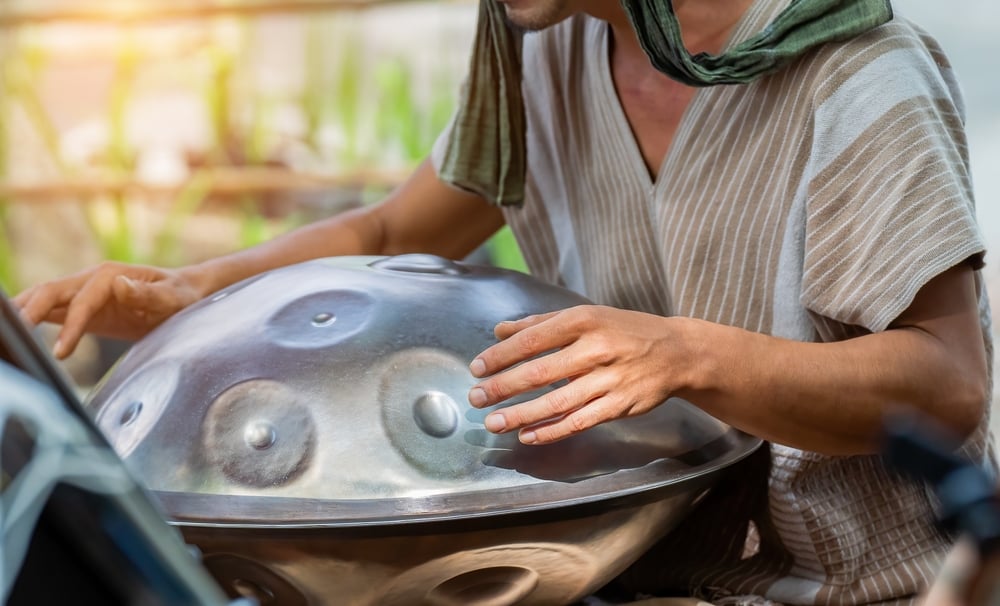
What is a handpan and why the world went crazy for it
The handpan is the instrument that makes people stop in the street. Street musicians draw attention with it without a microphone, without a stage, without any setup. One strike of the palm is enough, and the warm resonant sound travels through the air in a way that makes passersby slow their steps and turn around. No wonder handpan videos collect millions of views.
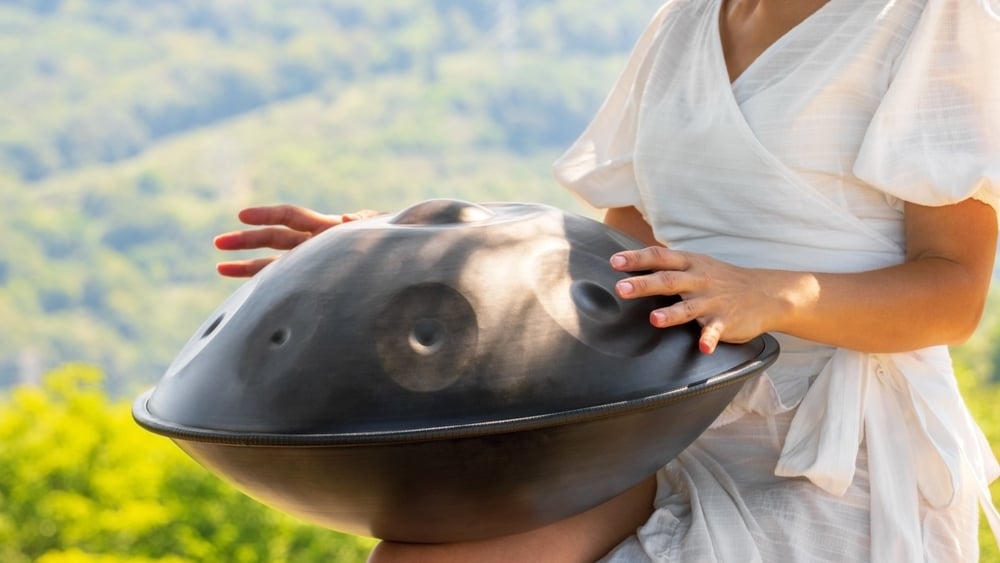
The handpan is a percussion instrument shaped like a flying saucer. Two steel bowls are welded together, and on the upper part, tone fields are hand-hammered — each tuned to a specific note in the scale. You play it with your palms and fingers, and every touch produces a rich, long-resonating tone with natural harmonic overtones.
How the handpan was born
The handpan was invented by Swiss company PANArt in 2000, when they developed an instrument called the Hang. The inspiration came from Caribbean steel drums, but the result was something entirely new. Today dozens of makers exist worldwide, and the handpan has its own global community, festivals, and music schools.
The sound of the handpan
Every handpan has a center (Ding) surrounded by 7 to 9 tone fields that together form a scale. That scale determines the overall character of the sound. Some scales are meditative and dark, others bright and dance-like. The handpan also sounds naturally harmonious: even if you play random tones, the result is pleasant. That makes it ideal even for people with no musical background.
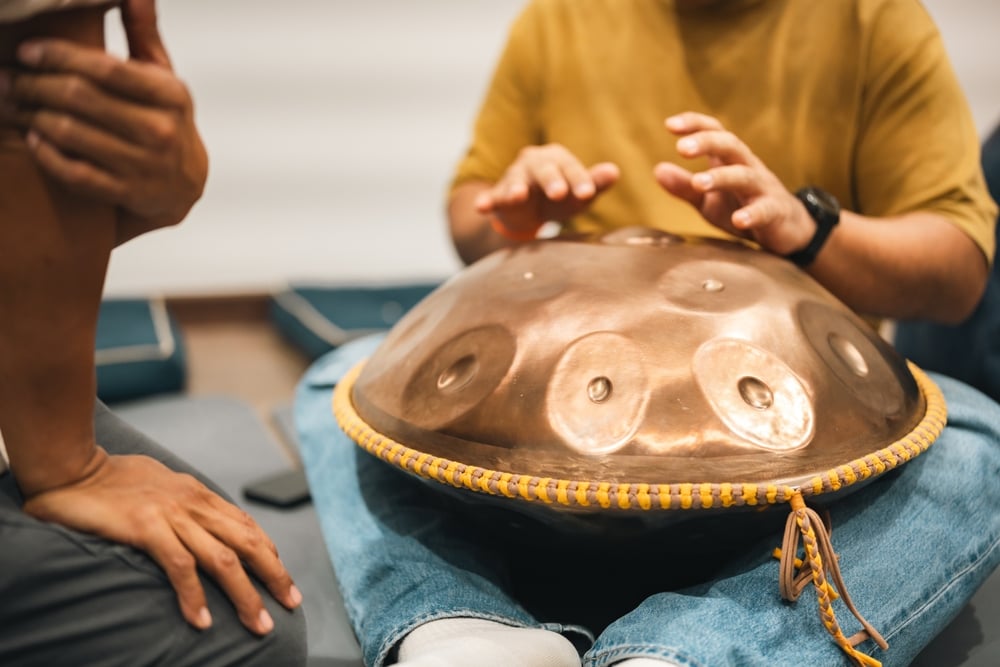
Handpan vs. tongue drum: what's the difference?
The tongue drum is a cheaper and more accessible alternative to the handpan. They look similar, but differ significantly in the details. Here is an overview:
| Handpan | Tongue drum | |
|---|---|---|
| Price | €400 – 2,000+ | €50 – 300 |
| Playing | Palms and fingers | Mallets or fingers |
| Sound | Rich, long resonance, harmonic overtones | Shorter, cleaner sound |
| Material | Nitrided or stainless steel | Steel |
| Tone fields | 8 – 12 | 6 – 15 |
| Suitable for | Beginners and advanced players | Mainly beginners |
| Portability | Needs a bag or case | Compact, lightweight |
If you are looking for a first taste of this type of instrument on a smaller budget, the tongue drum is a great start. If you want a full-featured, deep, and expressive instrument, the handpan is the right choice. You can find both types in the percussion section.
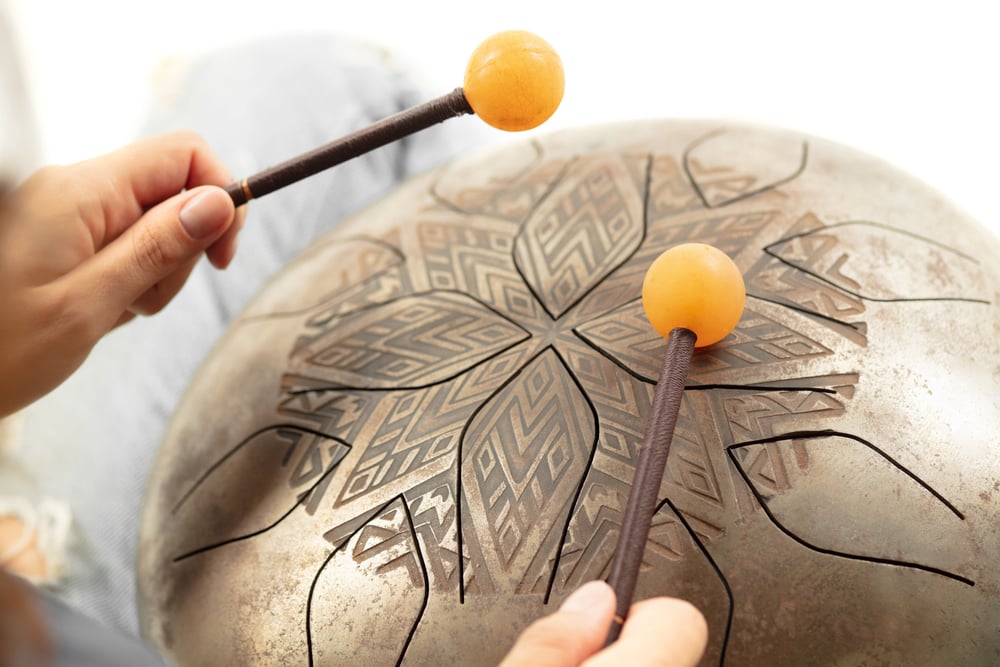
How to choose a handpan: what to look for
Tuning and scale — the key decision
This is the most important choice. Every handpan is tuned to a specific scale and that cannot be changed later. The most popular scales for beginners:
- D Kurd — dark, slightly melancholic, very popular. Ideal for meditative and atmospheric playing.
- F# Amara — brighter, optimistic. Beautiful for improvisation.
- E Pygmy — pentatonic, African character. Easy to play, excellent for complete beginners.
If you are unsure, listen to YouTube samples of specific scales. The sound of the scale is what you will be hearing every day.
Material and quality
Handpans are made from nitrided steel, stainless steel, or special alloys. Nitrided steel has a richer sound and longer lifespan. Cheaper pieces made from regular steel may be more susceptible to temperature and humidity changes.
With every handpan, check for even tuning across all tone fields, a symmetrical weld line, and smooth edges without sharp transitions.
Price: what to expect at different budgets
A handpan is not a cheap instrument. Handcrafting and precisely tuning every piece makes it an investment. Entry-level models range from €400 to €900, mid-range from €900 to €1,800, and premium handcrafted pieces start above €2,000.
Good news: for €600 to €900, you can now buy a solid handpan from proven makers that will serve you reliably for years. Browse the selection of handpans.
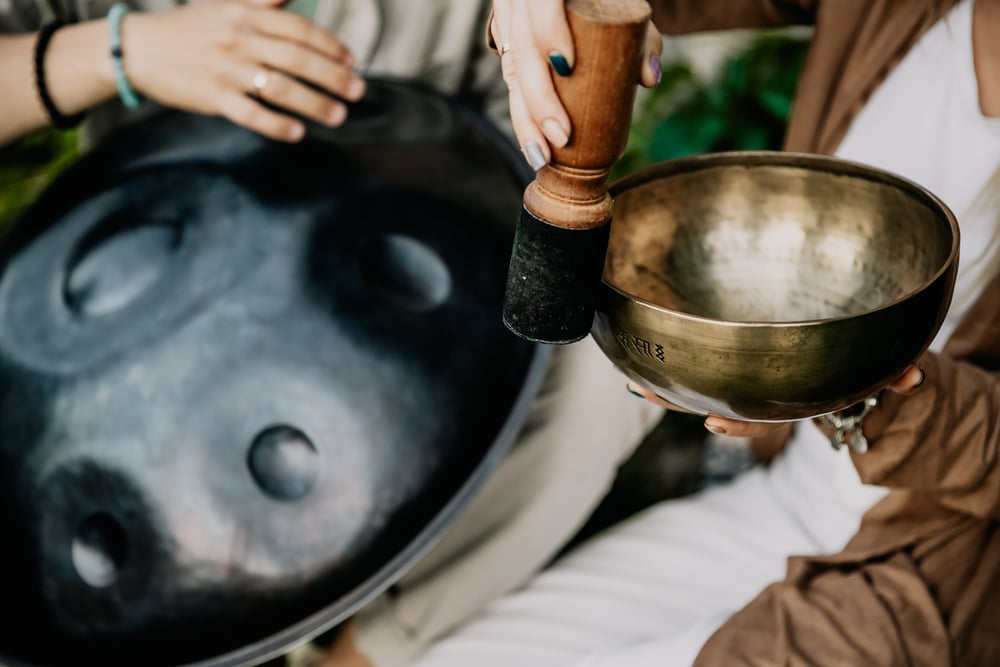
Shamann — handpans trusted by musicians and beginners alike
If you are looking for a handpan where price, build quality, and sound character come together perfectly, we strongly recommend the Shamann percussion brand.
Shamann handpans go through precise hand-tuning and are made from quality nitrided steel, giving them a rich, long-lasting resonant sound. Every piece is individually checked and offers stable tuning even when temperature or humidity changes.
What sets Shamann apart from the competition?
- Range of options: Shamann makes handpans in all the most popular scales, including D Kurd, F# Amara and E Pygmy, so you can choose exactly the sound that resonates with you.
- Competitive pricing: premium quality does not have to mean an astronomical price — Shamann models are accessible even for those buying their very first handpan.
- Proven reputation: you can also find Shamann in Muziker showrooms, where you can try it in person before buying.
Browse the full range in the Shamann Handpans section.
Tongue drum: the perfect first step and a great companion
If the handpan appeals to you but you want to check first whether this type of playing suits you, the tongue drum is a fantastic choice. For a fraction of the price of a handpan, it gives you a similar playing experience. You play with your hands or mallets, the instrument is tuned to a scale, and the result sounds beautiful even without any musical background.
Tongue drums are compact, easy to transport, and very durable. Many players also use them as a complement to the handpan for practice or for additional scales. Check out tongue drums.
Bags, cases and stands: protect your investment
The handpan is a sensitive instrument and deserves proper care. A quality bag or case will protect it during transport from impacts, dust, and temperature changes. You can choose from soft carry bags suitable for daily use or hard cases for those travelling to festivals or performances.
A handpan stand is another accessory you will appreciate. It holds the instrument in the correct position during playing, frees your hands, and improves resonance. Practical both at home and on stage.
Handpan bags and cases: bags and cases.
Handpan stands and hardware: stands and hardware.
Handpan and the mind: why this sound heals
The handpan is not just a musical instrument. Its effects on the mind and overall wellbeing are well documented, and music therapy with the handpan is attracting increasing attention.
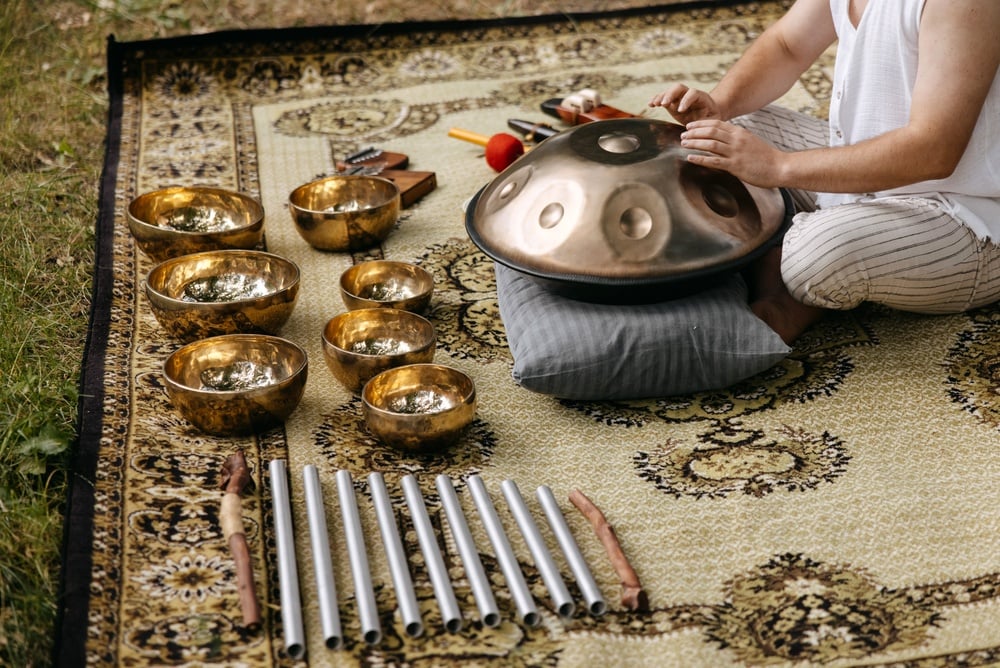
The warm harmonic frequencies of the handpan act directly on the nervous system. During playing, heart rate slows, cortisol levels drop, and the body enters a relaxed state similar to meditation. Many players describe the first hours with a handpan as a form of active meditation: the mind calms down, stops wandering, and focuses entirely on the present moment.
Research in music therapy confirms that playing the handpan helps reduce symptoms of anxiety and depression, alleviates chronic stress, improves concentration, and supports a sense of inner peace. The vibrations the instrument transmits through the palms directly into the body also have a physically calming effect similar to deep-frequency massage.
The handpan therefore appears more and more frequently in therapeutic settings: it is used with people experiencing burnout syndrome, PTSD, attention disorders, and autism. And this is precisely what makes the handpan something exceptional: unlike most instruments, it heals the person playing it too.
FAQ: Most frequently asked questions about handpans
What is a handpan?
The handpan is a percussion instrument shaped like a flying saucer, made from two welded steel bowls. On the upper part, it has hand-hammered tone fields tuned to a specific musical scale. You play it with your palms and it produces a warm, resonant sound with harmonic overtones.
How much does a handpan cost?
Handpan prices start at around €400 for basic models, mid-range sits between €900 and €1,800, and premium handcrafted pieces cost above €2,000. For a quality beginner handpan, budget around €600 to €900.
Is it hard to learn to play the handpan?
The handpan is one of the few instruments that sounds pleasant even for a complete beginner. Since it is tuned to a specific scale, it is hard to play something that sounds wrong. Basic rhythms and melodies can be mastered in just a few hours of practice. The joy of playing comes immediately.
Which handpan to choose as your first?
For a first handpan, we recommend the D Kurd or E Pygmy scale. Both are meditative, versatile, and forgiving of beginner mistakes. From the brands, we recommend Shamann, which offers an excellent combination of quality, accessibility, and reliable tuning.
What is the difference between a handpan and a tongue drum?
The tongue drum has cut-out tongues that are struck with mallets, producing a shorter, cleaner sound. The handpan has hand-hammered tone fields, you play it with your palms, and the sound is significantly richer, more resonant, and more expressive. The tongue drum is cheaper and suitable for first experiments; the handpan is a full-fledged concert instrument.
How many tone fields does a handpan have?
A standard handpan has 7 to 9 tone fields plus the central Ding. Beginners will be fine with 8 fields; advanced players reach for models with 9 to 12 fields for greater melodic freedom.
Which handpan scale is best for beginners?
The most popular scale for beginners is D Kurd. It is dark, meditative, and incredibly versatile. The second excellent choice is E Pygmy, which has an African character and is naturally easy to improvise on.
Where to buy a handpan?
You can buy handpans at Muziker — both online and in physical showrooms, where you can try them in person before making a decision. Browse the full range of handpans.